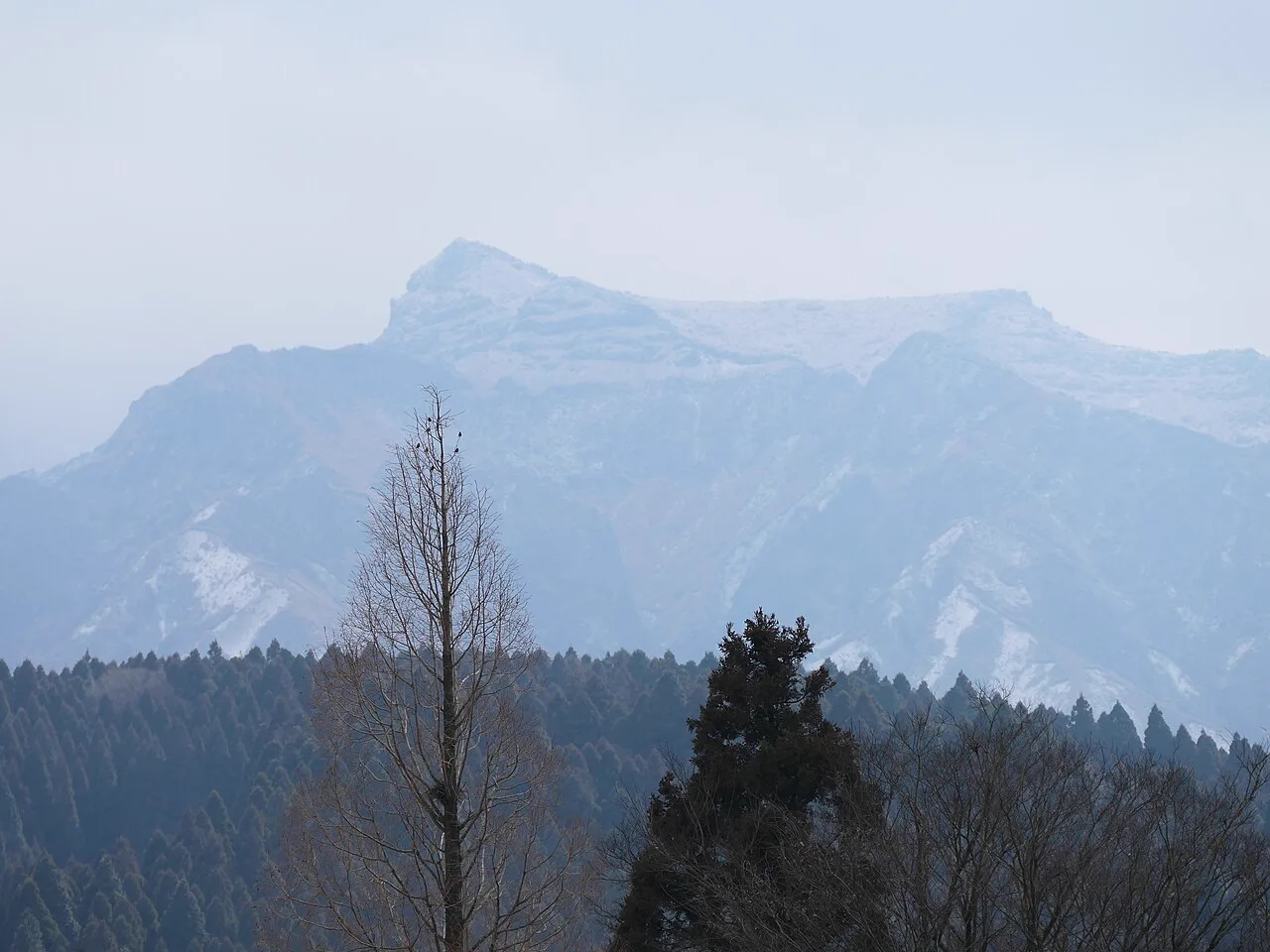
Aso Onsen Day Trip: A Mountain Stop and a Uchinomaki Bath
Plan an Aso day trip around crater access, bath hours, weather and return rides.
Aso is easier to enjoy when you give the mountain and the bath separate parts of the day. Choose one highland area while the weather is clear, then return to Uchinomaki for a soak. Trying to fit the crater, Kusasenri, Aso Shrine, several baths and a long-distance return into one schedule leaves little room for changing weather or a missed connection.
Check the volcano and road status before choosing a route
Mount Aso’s crater access can change with gas readings, weather and volcanic conditions. A bus or road reaching the mountain does not guarantee that the crater itself is open. Check the Aso Volcano Disaster Prevention Council’s live restrictions before leaving, and follow notices at the site. Keep Kusasenri or Aso Shrine as a separate alternative rather than assuming every stop shares the same access rules.
If the crater area is closed or visibility is poor, make the day about the caldera landscape, Aso Shrine and a town bath. That is a complete outing without driving farther in search of a view that may stay hidden in cloud.
Choose the day’s shape
| Your priority | A workable plan | Main constraint |
|---|---|---|
| Mountain scenery | Go to one highland area early, return to Uchinomaki in the afternoon, then bathe | Weather, crater restrictions and the drive back |
| Hot springs | Start with a confirmed bath window, then have lunch and walk around Aso | Most ryokan baths do not open early |
| No-car visit | Pick one reachable sightseeing stop and one confirmed bath, then work around the return service | Local buses are less frequent than city routes |
One mountain stop plus one bath is the least fragile plan. It allows for parking, road time, lunch and changing without making every delay feel like a crisis.
If the mountain is the main event
Leave early enough to reach your chosen highland stop before the afternoon weather builds. Do not turn crater access into the only reason for the trip; its opening status can change during the day. If the crater is closed, use the official notices to check which nearby areas remain accessible, or turn back toward Kusasenri and Aso Shrine when conditions permit.
After the mountain, head to Uchinomaki for a late lunch or early dinner and choose a bath whose reception time still leaves room to get back to your accommodation. Unkai Yakushi opens around midday; Irifune and many ryokan baths start later. The Uchinomaki day-bath comparison lays out current public-bath windows and private-room rules.
If bathing is the point of the trip
Start in town instead of trying to squeeze in a distant summit stop. Unkai Yakushi is the earlier option among the facilities in the comparison; Irifune and Hotel Kadoman open later. A relaxed lunch, a short walk and one soak can fill the day without relying on mountain weather.
Sozankyo is a special case: its operator lists day bathing from 1 p.m. to 3 p.m., subject to confirmation, and says busy periods may affect access. The inn’s private baths are for overnight guests and are reserved after check-in. Call before travelling if Sozankyo is the reason you are going; do not treat its published source data as proof that it is accepting walk-in bathers that day.
Build a no-car day around actual connections
JR Aso Station, Uchinomaki and the highland area are separate stops. Aso City lists local bus routes, the mountain line and the crater shuttle separately on its public transportation page. Check the timetable for your date and direction; a mountain bus schedule does not automatically connect with a late bath in town.
Without a car, choose a single mountain stop only after confirming the outbound service and the return. If those times do not leave a sensible bathing window, make Uchinomaki the centre of the visit and save the highlands for another day. A taxi can bridge a gap, but do not assume one will be waiting at a rural stop—arrange it before relying on it.
Rain, fog and winter daylight
Fog can flatten the wide views, while rain makes an ambitious mountain loop less appealing. Aso Shrine and its approach streets are a better town-based alternative; pair them with lunch and one confirmed bath. Summer afternoons can bring storms, so an early highland visit leaves more options. In winter, allow for cold roads and shorter daylight, and avoid a long mountain drive just before dark.
Leave the return leg some breathing room
Set the return train or bus before you choose the final bath. Closing time and last entry are different, and you still need time to dry off, change and reach your stop. If you have a long ride back to Kumamoto or Oita, leave a generous gap rather than aiming for the final departure of the day.
Before setting out, confirm that the chosen bath accepts day visitors, check its last entry and look for a closure notice. When the weather changes, swap the mountain portion for Aso Shrine or the town; do not keep driving uphill just to preserve the original plan.
Check which facilities fit your route, arrival time and return connection.
Sources
- [Aso City: public-transport maps and timetable links](https://www.city.aso.kumamoto.jp/tourism/event_tourist/public_transportation_map/) — checked October 24, 2026. - [Aso Volcano Disaster Prevention Council: current crater restrictions](https://www.aso-volcano.jp/eng/) — checked October 24, 2026. - [Sozankyo: day-bathing admission and hours](https://sozankyo.com/reserve/). - [Sozankyo: private-bath access and booking rules](https://sozankyo.com/guidance/faq.html). - [Yunosato Irifune: current day-use bath information](https://irifune-aso.jp/en/lp/). - [Aso Onsen Association: day-use bath comparison](https://onsen.aso.ne.jp/daytrip/).Checked: October 24, 2026
