Kawakamiya Kasuitei: Pick Your Bath Before Your Room
Compare Kawakamiya Kasuitei's baths and rooms before booking your Gero stay now.
The useful distinction at Kawakamiya Kasuitei is not simply public versus private. The granite indoor bath, stone outdoor bath and cypress rental bath each follow a different routine, so the right room depends on which one you expect to use most.
The indoor bath is the clearest flow-through option
The granite indoor pools are the inn’s no-recirculation option: no dilution or reheating is used, and water passes through continuously. The inn gives a bath temperature of 41–42°C. Guests can use either shared bath at any hour, which makes a standard room workable if you are content to bathe in the shared facilities.
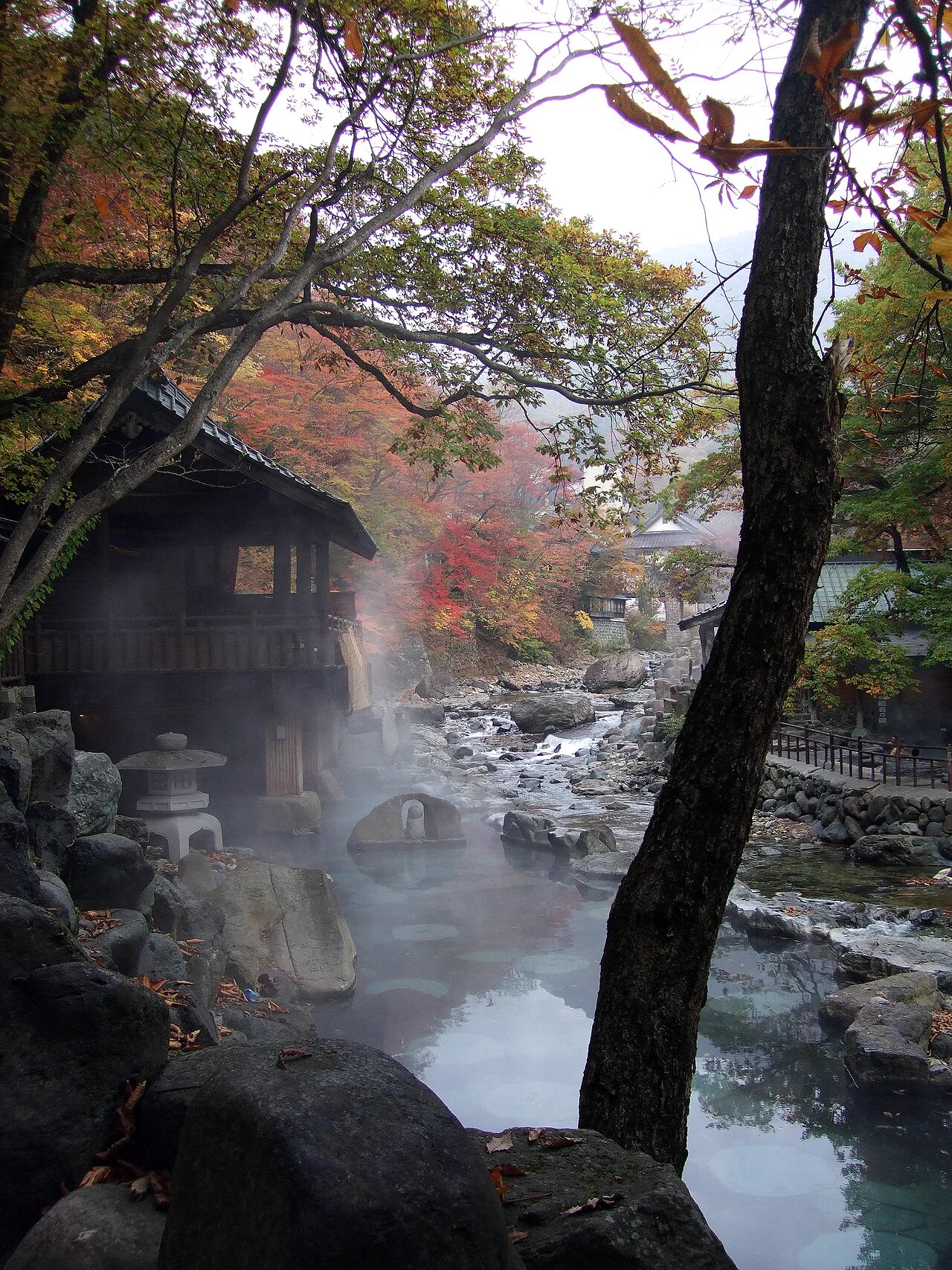
The outdoor Kawara-no-yu uses stone tubs and mountain views. It receives fresh spring water while also using partial circulation and filtration. Tobinoyu is a cypress rental bath rather than an in-room feature. A session lasts 40 minutes, runs from 2:30 to 9 p.m. and is assigned at check-in; some plans include it, while others add a fee. The inn lists the same 41–42°C range; the water-handling description for the indoor bath does not apply automatically to these other tubs.
Which room upgrade earns its place?
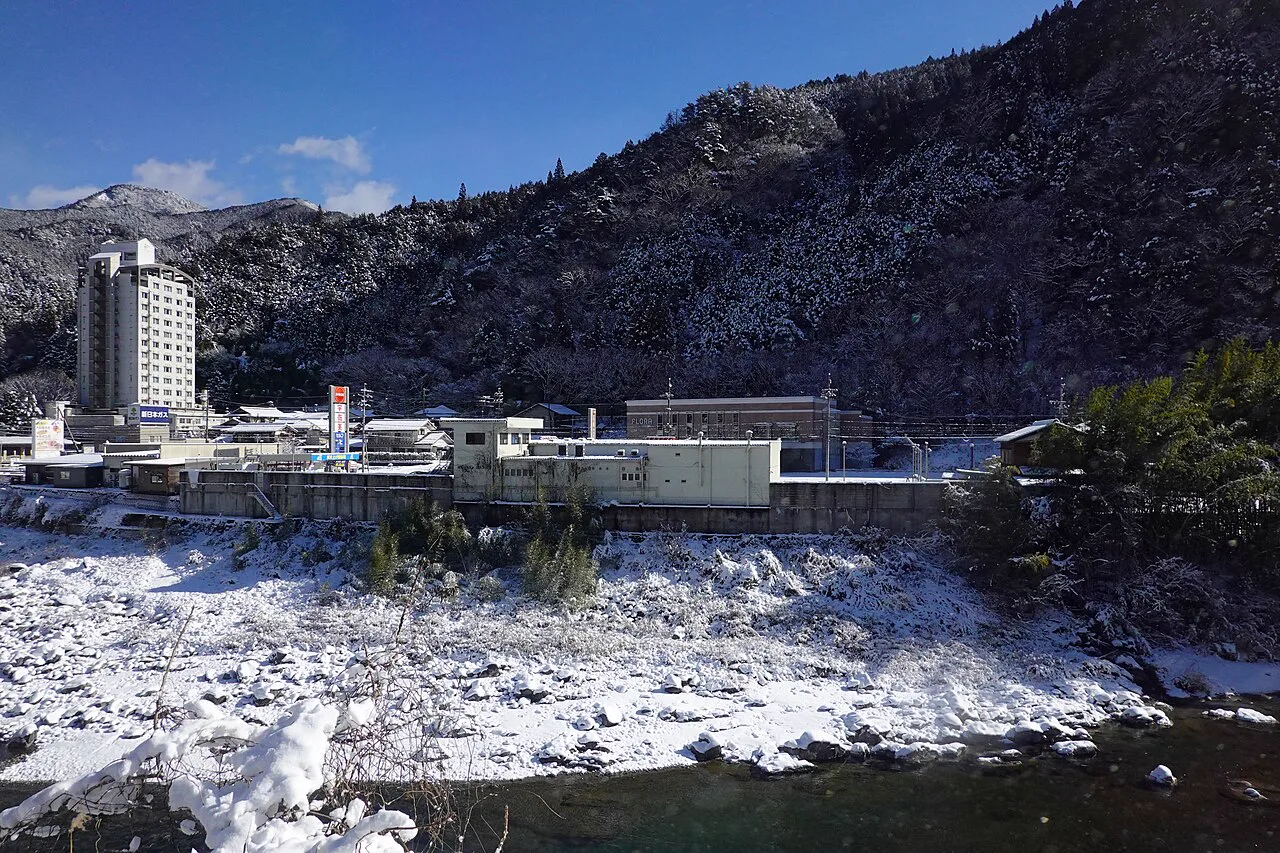
The 14-room inn divides its rooms between two buildings. The Hekizanso wing faces the Hida River and includes premium, deluxe, suite and semi-suite categories. Momoka-so faces the garden or entrance side and has suites and semi-suites. The room page identifies Momo as the open-air-bath suite; Premium Kiku and Deluxe rooms offer more space, while several lower categories have no listed private outdoor tub.
An in-room tub can change the rhythm of a stay, especially for a late soak, but the room descriptions do not consistently state that every tub is supplied with spring water. Read the named room details and plan inclusions before treating a private tub as an in-room onsen. Rates also depend on room and party size; compare the same dates and cancellation terms.
Dinner and breakfast take place in individual dining rooms, rather than in the guest room. The inn lists check-in at 2 p.m. and check-out at 11 a.m. If dietary changes are needed, its FAQ asks guests to contact the inn by the previous day.
Getting there with luggage
The inn is around a 15-minute walk from JR Gero Station or about five minutes by taxi. The former hotel shuttle is no longer the default; the access page describes free station pickup by taxi during its stated afternoon window. A taxi avoids the walk with bags. There is on-site parking for guests arriving by car.
The inn lists Gero water at pH 9.1 and explains that the town’s centralized system supplies local properties at about 55°C. That is a distribution temperature, not the temperature inside this inn’s baths. The often-quoted 2,300 litres per minute is the combined regional source yield, not a property-specific flow figure.
If a compact station-side stay matters more than a private outdoor bath, compare Mutsumikan and the Gero stay-area guide. For a broader property comparison, see the Gero ryokan guide, three ways to stay in Gero, Suihoen, TAOYA Gero, Sasara and Yunoshimakan.