Kawayu Onsen Day Baths: Choose by Hours, Price and Spring
Choose a Kawayu bath by opening hours, cost, spring strength and station access.
Kawayu’s baths sit in the village, not beside JR Kawayu-Onsen Station. That transfer is easy to overlook when comparing prices, but it can decide whether a short stop is practical. Once you are in town, choose between a hotel bath with outdoor pools, a forest-facing ryokan bath, or Yukichi, the neighborhood public bath.
| Bath | Admission and towels | Day-use window | Best fit |
|---|---|---|---|
| KKR Kawayu | ¥700 adult; ¥400 elementary-school child; ¥200 younger child. Towel set ¥300. | 1–8 p.m. | A hotel bath with indoor and outdoor pools |
| Hotel Kitafukuro | ¥1,000 adult; ¥500 school-age child; preschoolers free. Towel set ¥300. | From 10 a.m.; last entry 7 p.m. weekdays, 8 p.m. weekends and holidays | A forest-edge outdoor bath |
| Yukichi | ¥500 adult; ¥300 child. Residents have separate rates. | 11 a.m.–7 p.m.; last entry 6 p.m. | A simple public bath with the lowest listed adult fee |
The spring is strongly acidic throughout the district. If that is unfamiliar, keep the first soak short and follow the facility’s own guidance rather than treating the baths as interchangeable.
KKR works well when you want a straightforward hotel bath
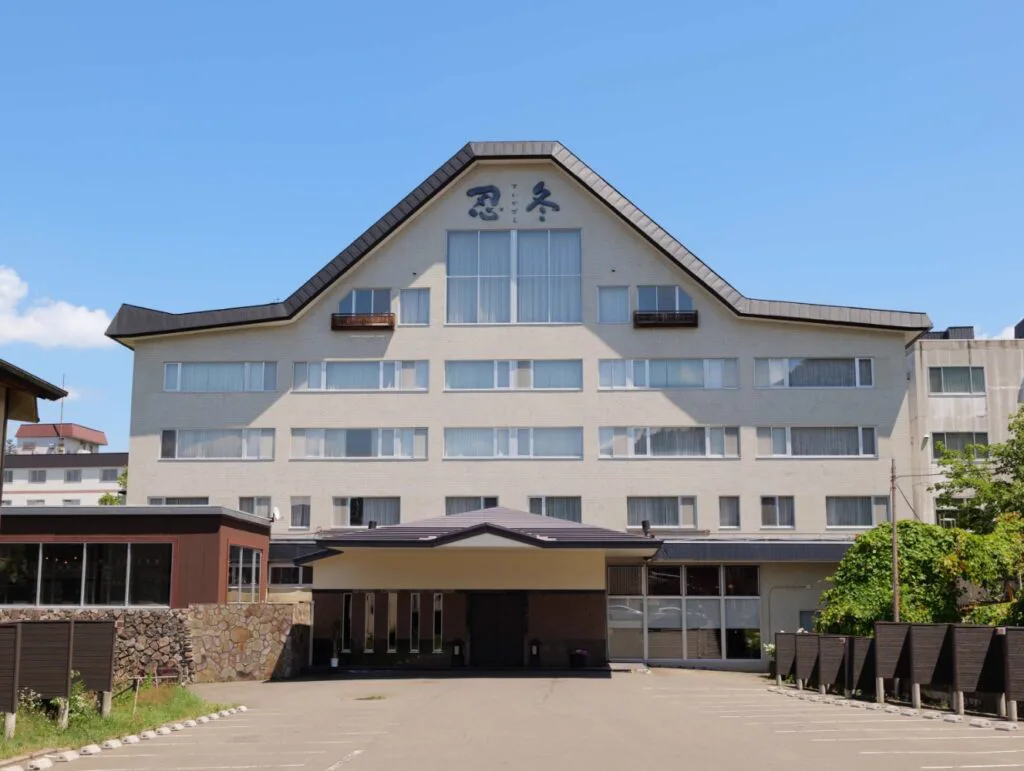
KKR is the easiest choice if you want a hotel changing area, indoor bath and outdoor pools without checking an Instagram feed for last-minute hours. The hotel describes its water as flowing directly from the source.
KKR does not admit bathers with tattoos. That rule is specific to this property; do not assume it applies identically at every bath in town. The hotel also has no station shuttle, so include the onward bus or taxi in your plan.
Pick Kitafukuro for its forest-facing outdoor bath
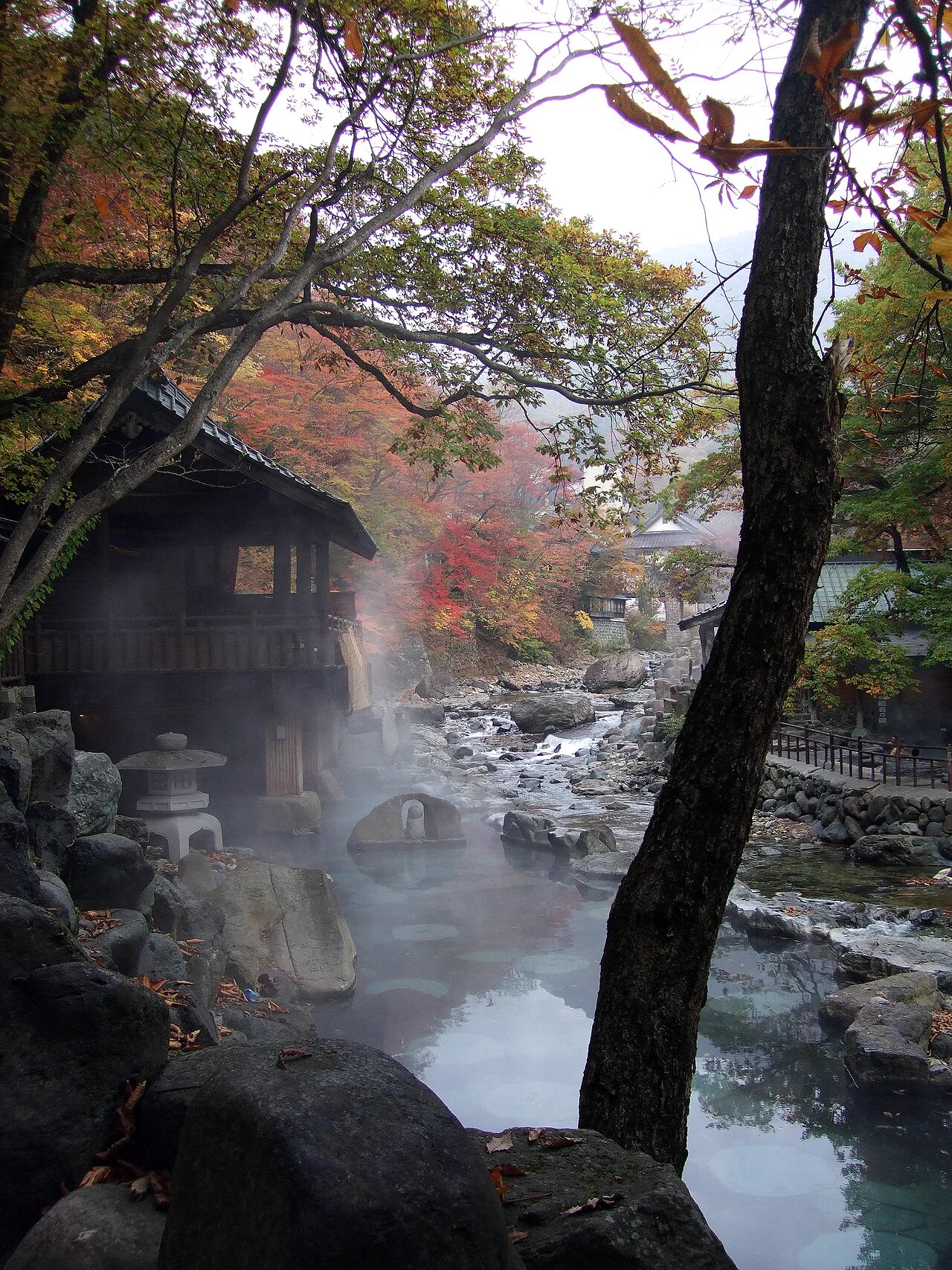
Kitafukuro reopened after a renovation in 2025. Its outdoor pool looks into the trees at the edge of the national forest, making it the pick for a quieter setting rather than the cheapest ticket.
Day bathing starts at 10 a.m. Last entry is 7 p.m. on weekdays and 8 p.m. on weekends and holidays. The operator currently lists day-use bathing while equipment work continues, so check its latest booking notice before travelling; overnight stays may not be available on the same date.
The hotel describes the spring as strongly acidic and recommends short, 10–15-minute sessions. Metal items can corrode or discolor, and mineral deposits can make floors slippery. Leave jewelry behind and take care on wet surfaces.
Yukichi is the local public bath
Yukichi is the choice when you want a neighborhood public bath instead of hotel facilities. It closes on Wednesdays, and its last-entry cutoff makes late arrival less convenient.
The old bathhouse character comes through in the mosaics: the men’s room features Mount Iō and the women’s shows Lake Mashu. Children can use a shallow pool. Bring your own bath products or buy them there.
The station-to-town leg needs a little planning
The bath district is not at the railway station, so check the bus in both directions before choosing your soak. The local tourism association and KKR give slightly different journey estimates; neither is a reason to risk a tight transfer. Arrange a taxi in advance if the train does not match a bus.
| Station transfer | Published estimate |
|---|---|
| Scheduled bus to the village | About 7 minutes; check the current Akan Bus timetable |
| Taxi to the village | About 7 minutes; the tourism association gives roughly ¥700 as a fare reference |
| KKR’s bus estimate | About 10 minutes; the hotel does not provide a shuttle |
The stop near the baths is by the TAIHO Sumo Memorial Museum. KKR does not run its own station shuttle. When choosing a bath, work backward from the return connection: Yukichi has the earliest last entry, while Kitafukuro’s longer opening window does not make the bus run later.
For a lake-side stay versus a sulfur-spring town, compare the two Hokkaido destinations. If your question is how long a bus-based stop at Akan allows, read the Lake Akan day-trip timing guide.
Sources
- Masyuko Tourism Association: day-use baths in Kawayu
- Masyuko Tourism Association: Kawayu spring profile
- Masyuko Tourism Association: access from Kawayu-Onsen Station
- KKR Kawayu: day-use hours, rates, baths and tattoo policy
- Hotel Kitafukuro: current day-use plan and bathing guidance
- Hotel Kitafukuro: current facility and operating notices
- Masyuko Tourism Association: Yukichi public bath
- Akan Bus: routes and current timetables