Koman in Kinosaki: Four In-House Baths, but No In-Room Onsen
See how Koman’s two shared baths, two private baths and room-only plans work—and why its guestroom baths are not natural hot springs.
Koman suits travellers who want several ways to bathe at the inn and may also visit Kinosaki’s public bathhouses. It is a poor fit if you are choosing a room specifically for its own natural hot spring: Koman says none of its guestroom baths, including the open-air tubs, use onsen water.
That distinction is easy to miss in room photos. A private tub can still be useful for a quiet soak or for anyone who prefers not to use a communal bath, but it should not be counted as a hot-spring bath. The natural spring water is in the inn’s shared bathing facilities.
What the four in-house baths actually offer
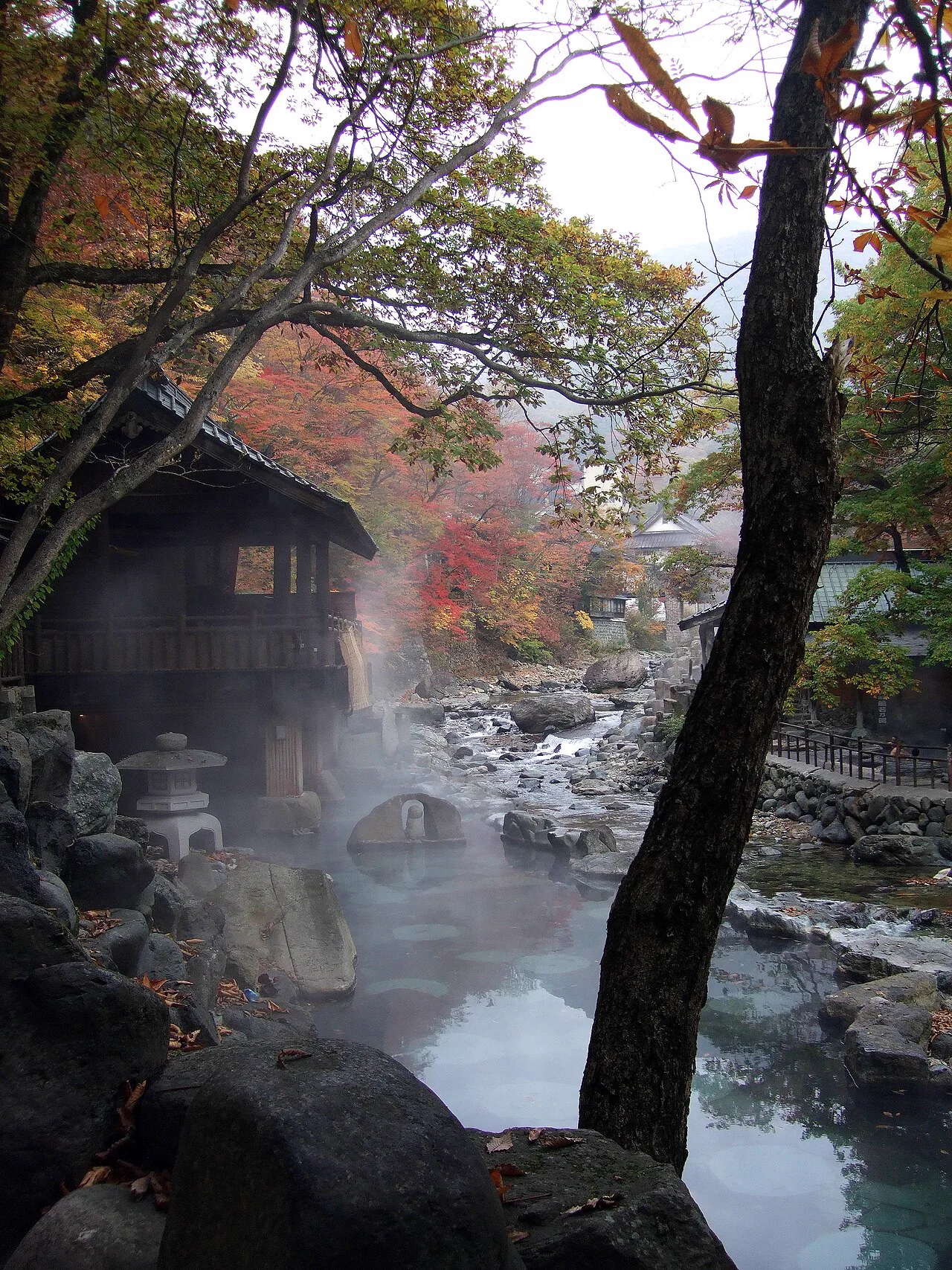
The main building has two shared baths, Jurei-no-yu and Hakuya-no-yu. The inn lists both for 3 p.m.–midnight and 6–10 a.m.; each has a stated capacity of 20. They are natural hot-spring baths, but the official page describes them as recirculating.
There are also two private-use baths in an annex, free for overnight guests. Koman’s page is inconsistent about how their water is handled: its description calls them free-flowing and 100% natural spring water, while the specifications label them recirculating. The page confirms that they use natural hot-spring water, but does not settle the circulation question. If source-flow bathing is essential to you, ask Koman directly before booking rather than relying on either line alone.
A room-only plan may still include public-bath access
Koman’s official site currently lists seasonal room-only plans that advertise free access to the public baths in town. The offer appears on plans for different parts of the year, including April–November and November–March, but the inclusion is plan-specific. That can work well if you would rather choose dinner independently and alternate between an inn bath and an evening walk. Do not assume the benefit applies to every room-only or meal plan: check the exact offer and pass validity shown for your dates.
An included pass also cannot open a bathhouse that is closed for its weekly rest day or maintenance. Satono-yu remains closed long-term, and Kono-yu is scheduled to be closed for renovation through October 30, 2026. Check the Kinosaki bath-pass guide and the current operating notices before building an itinerary around a particular bath.
The property is near Mandara-yu on the upper side of town, so it is not a station-front choice. For the broader location and bathing trade-offs, see the Kinosaki ryokan guide. If a room with genuine in-room spring water is non-negotiable, compare the room details there before paying for Koman’s open-air-bath room.
Koman lists family- and group-oriented rooms, but child meals, bedding and occupancy depend on the selected plan. Confirm those terms for the room you want. Koman’s tattoo policy for its shared and private baths is unconfirmed; ask the inn before booking if it affects your stay.
Recent cleanliness feedback does not point to one recurring hygiene failure. A smaller number of comments mention age-related wear, tatami condition, drainage or air-conditioning, but these are scattered rather than a single repeated problem. The historic character of the building and the unresolved wording about water circulation in the private baths are still reasons to confirm the details that matter to you.
A few practical details
Koman says the entire property has been non-smoking since July 2025, including e-cigarettes; the designated smoking area is beside the main entrance. Its site also lists charging for electric and hybrid vehicles. Confirm availability and any current charging procedure with the inn if you plan to drive.
Room rates, meals and public-bath privileges vary by plan and date. Compare the actual booking terms rather than treating one seasonal offer as a year-round inclusion.