Misasa or Kaike Onsen? Choose by Scenery, Access and Bathing Style
Misasa is a compact river-valley onsen town; Kaike is a seaside base near Yonago. Compare day baths, spring descriptions and onward transport.
Misasa and Kaike are both in Tottori Prefecture, but they suit different trips. Misasa is an inland hot-spring town built around the Mitoku River, small public baths and ryokan. Kaike sits on the Sea of Japan beside Yonago, where beach walks, ocean-facing hotels and access to western Tottori and eastern Shimane shape the stay. The choice is usually clearer once you decide what you want to do before and after bathing.
A river-valley town or a coastal resort
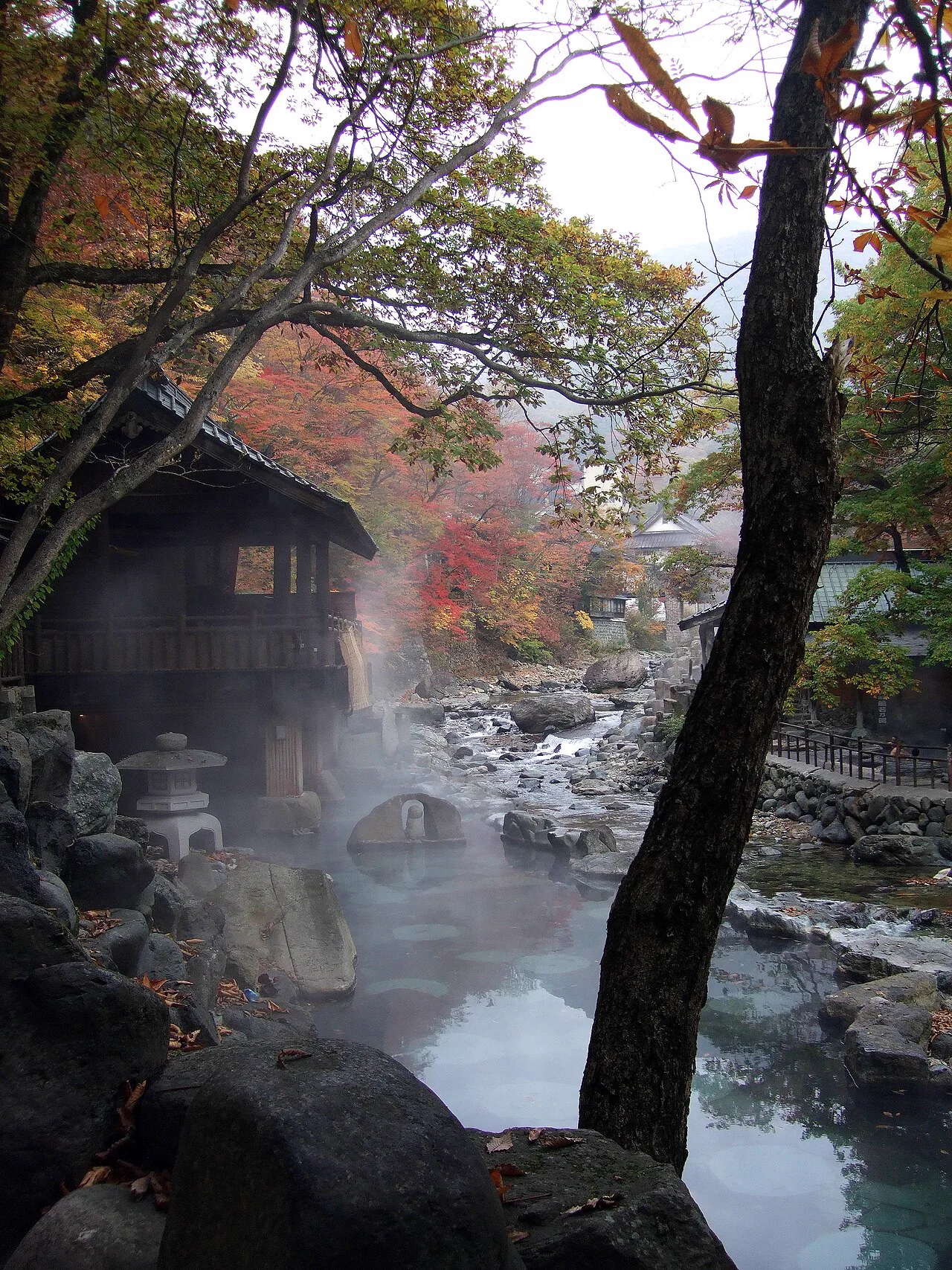
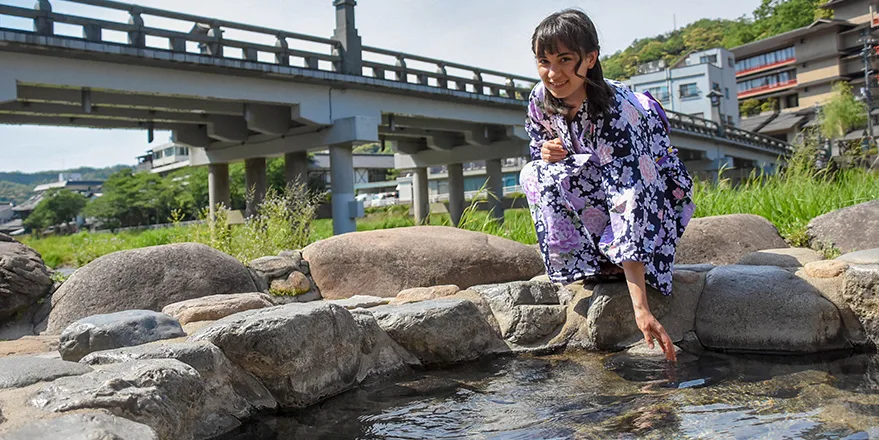
Misasa feels like a compact onsen town. Its streets, bridges and bathing stops cluster along the river, and the free riverside Kawara-buro is one of the district’s most distinctive options. Kabuyu offers a low-cost indoor public bath, while ryokan such as Seiryuso and Iwanosaki have separate day-use rules and facilities. Use the Misasa day-bath comparison to check the current choices.
Kaike is a beach resort within Yonago. The onsen association highlights its coastline and views toward Mount Daisen; in summer, the beach gives the area a second reason to stay. Accommodation ranges from long-established ryokan to larger resort hotels. The Kaike day-use guide compares public bathing options, though each hotel’s rules are its own.
The spring labels are different, but they do not decide the trip alone
The Misasa Onsen Tourism Association describes the district’s water as radium-containing sodium chloride spring or radium-containing simple spring. Kaike’s association lists sodium-calcium chloride spring water, with multiple sources and a high combined output. Those district-wide descriptions are useful context, not guarantees that every inn uses the water in the same way. Check the individual bath’s source, circulation and treatment details if those matter to you.
The comparison is not a medical one. Neither spring label is a reason to expect a treatment result. For a particular bath, its posted analysis and current operating information are more useful than a resort-wide slogan.
Pick the base around your next stop
Misasa is served from JR Kurayoshi Station by local bus; the tourism association describes the ride to the hot-spring area as roughly 20 minutes. It works naturally for central Tottori plans such as Kurayoshi and Mitoku-san. The return bus timetable deserves attention if your bath or dinner runs late.
Kaike is about 5 km from JR Yonago Station. Yonago’s tourism association estimates about 20 minutes by local bus, around 15 minutes by taxi or about 10 minutes by car from Yonago IC. That puts Kaike in a useful position for Yonago, Sakaiminato and the western end of Tottori, as well as travel toward Matsue. Check the current bus stop and timetable rather than relying on approximate journey times.
If your itinerary is moving west from Kurayoshi toward Yonago, staying in both areas can make sense on separate nights. With only one night, choosing the onsen closest to your next day’s plans usually saves more time than trying to sample both districts.
Match the stay to the people travelling
For a family beach trip in warm weather, Kaike is the more direct fit: the coast is right there, and many properties combine an onsen stay with seaside access. Verify beach-season dates, swimming conditions, room bedding and each inn’s rules for children before booking.
Misasa suits travellers who want an older hot-spring-town atmosphere, short walks between town sights and a choice of public or ryokan baths. It can also work well for a quieter overnight stop inland. Families should not assume Kawara-buro is a private or child-oriented facility: it is mixed bathing in an exposed riverside setting. Choose a property with bathing arrangements that match your family’s needs.
For a couple, the question is less “which town is more romantic?” than what you want to share. Kaike is the easier choice for a seaside walk and a room with an ocean outlook. In Misasa, ask the ryokan directly whether a private bath is available to day visitors or overnight guests; policies differ by property.
A practical way to decide
Choose Misasa if your route centres on Kurayoshi or Mitoku-san, you want a compact river-valley onsen town, or you would like a low-cost public-bath option alongside ryokan bathing.
Choose Kaike if you are travelling through Yonago, want the sea close by, or plan to combine a hot-spring stay with a beach visit or onward trip to Sakaiminato and Matsue.
For a broader Tottori itinerary, keep the two areas as separate overnight bases rather than treating them as neighbouring bath stops. Driving between them can be manageable, but public transport involves different rail and bus networks; check the specific travel date before committing to a same-day transfer.
Official destination and transport information
- [Misasa Onsen Tourism Association: spring types](https://misasaonsen.jp/ufaqs/ufaq-1992/) — district-level spring classification. - [Misasa Onsen Tourism Association: access](https://misasaonsen.jp/access/) — access to the hot-spring area from Kurayoshi and local transport. - [Misasa Onsen Tourism Association: day-use baths](https://misasaonsen.jp/) — current listings for baths and visitor information. - [Kaike Onsen Ryokan Association: destination overview](https://www.kaike-onsen.com/) — coastal setting and district-wide spring information. - [Kaike Onsen Ryokan Association: bathing styles by property](https://www.kaike-onsen.com/about/alacarte_09.html) — bathing and water-handling categories by inn. - [Yonago City Tourism Association: access to Kaike Onsen](https://www.yonago-navi.jp/onsen/access/) — approximate distance and bus, taxi and driving times from Yonago. - [Yonago City Tourism Association: routes from Kaike](https://www.yonago-navi.jp/welcome/access-sanin/kaikeonsen/) — regional onward access.Checked: September 28, 2026