Takinoyu in Naruko: How to Visit This Historic Public Bath
Naruko Takinoyu: hours, ¥300 entry, station access and what to bring for a soak.
Think of Takinoyu as a short stop between the station and the rest of Naruko, not a spa where you can spend half a day. The bath is modest, the rules are simple, and the ¥300 adult ticket covers entry rather than extras such as towels or a lounge.
| Before you go | Current information |
|---|---|
| Admission | Adults ¥300; children ¥100 |
| Listed hours | 7:30 a.m.–9 p.m.; last reception 8:30 p.m. |
| Location | Yumoto district, a short walk from Naruko Onsen Station |
| Parking | No parking at the bath; use a designated town or station lot |
| Ticket | Purchase at the entrance machine |
| Facilities | A small traditional public bath; no listed sauna, restaurant or lounge |
Check the city or tourism association notice before travelling for any temporary closure. The facility is small enough that a busy spell can change the length of your visit.
What the bath is like
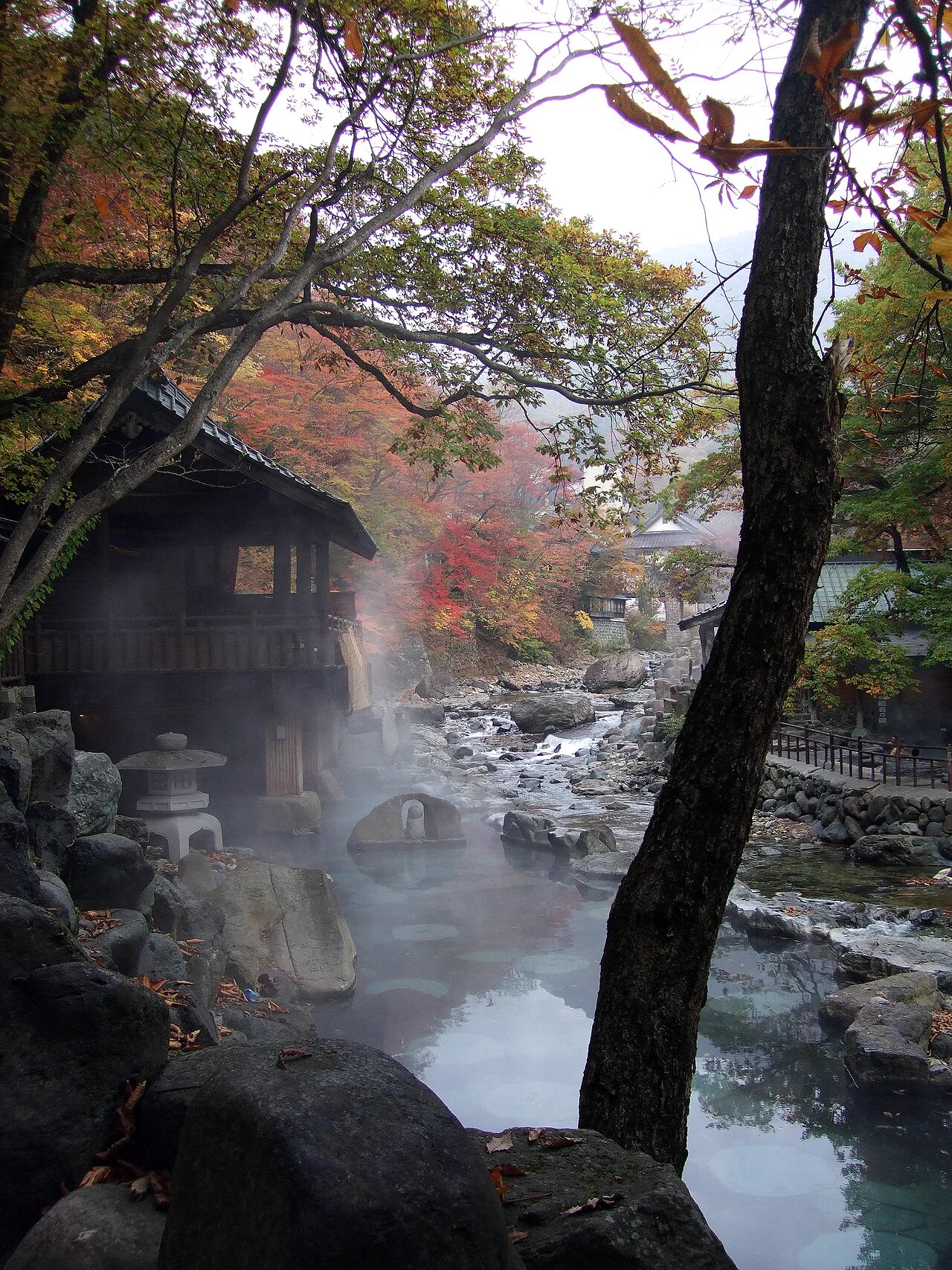
Osaki City describes Takinoyu as an old bath associated with Naruko Onsen Shrine. Its visitor page notes cloudy water, a wooden bathing area and the bath’s local history. The Naruko Onsen-kyo Tourism Association lists an acidic spring at pH 2.9 and describes the characteristic sulfur scent.
That is the appeal: a straightforward shared bath with a strong sense of place. It is not a polished resort facility. The city warns that the building cannot hold many bathers at once; at busy times, visitors may be asked to wait outside or keep the soak brief. If you need a large changing room, a private bath or somewhere to eat afterward, choose a different facility.
The spring’s acidity can feel sharp on freshly shaved or sensitive skin. Rinse first, enter gradually and step out if the water irritates you. Published sources describe the spring classification, not a dependable temperature for the water in the tub; do not use an old source temperature as a measure of what you will feel on the day.
Timing a visit around the station
Takinoyu is in the central onsen district, which makes it easier to reach on foot than baths in the outlying Naruko areas. The city lists no parking at the building and points drivers to the Yumeguri car park or the station-front lot. Parking fees and hours can change, so check the current notice if you are driving.
Leave a little slack before your next train. Changing, washing and a possible queue all take time, and the city asks guests to leave by closing. If the bath is crowded, trying to rush through for a connection will not make the visit better. The Naruko day-use bath comparison sets Takinoyu alongside the other central options.
For a simple visit, arrive with enough time to buy a ticket, wash carefully and soak without watching the clock. Afterwards, the station area is close enough for a short town walk or a meal, subject to each shop’s opening hours.
Pack for a no-frills bathhouse
The city’s page confirms the ticket machine, price and opening hours; it does not promise a towel or toiletries. Bring a small wash towel and your own soap and shampoo if you need them. Keep valuables and wet items manageable because the changing area is compact. Have cash ready for the ticket machine.
Wash at the seated shower area before entering the tub. Keep towels out of the bathwater, speak quietly and avoid occupying a washing spot after you are finished. Those habits matter more in a small bath than in a large spa, where people can spread out.
Tattoo rules are not clearly stated on the city’s visitor page. If you need a definite answer, call the bath directly at 080-9633-7930 before making a special trip. Do not infer Takinoyu’s policy from another Naruko facility.
Takinoyu or another Naruko bath?
Choose Takinoyu when you want one central, affordable soak and are comfortable with a compact communal setting. The nearby Waseda Sazikiyu normally has a larger rest area, but its spring system has been under maintenance; the latest notice says it is closed until further notice. Recheck before planning around it.
Shintoro-no-yu is a separate outing in Nakayamadaira, not a walk from the station. If you have half a day and want to compare spring types, use the Naruko no-car day-trip route and confirm the bus connection. For an evening or early-morning soak, see the Naruko bath-hours guide.
JR East continues to suspend the western Riku-East Line section between Naruko Onsen and Shinjō, with replacement buses on that segment. This does not affect the usual approach from Furukawa, but it changes a trip continuing west. Check the live service notice before choosing a connection.