Naruko or Ginzan Onsen? Choose Between Bath-Hopping and a Lantern-Lit Stay
Choose Naruko for rail access and baths across several districts, or Ginzan for its wooden inn street; check Ginzan’s last bus and winter access.
These two Tohoku destinations are often compared because both are famous, but they reward different kinds of trip. Naruko is a five-district onsen area with a broad mix of springs and public baths. Ginzan is a compact valley town known for its historic inn street, where staying into the evening changes the experience. Decide what you want to spend time doing before looking at rankings or photos.
Choose Naruko if the baths are the itinerary
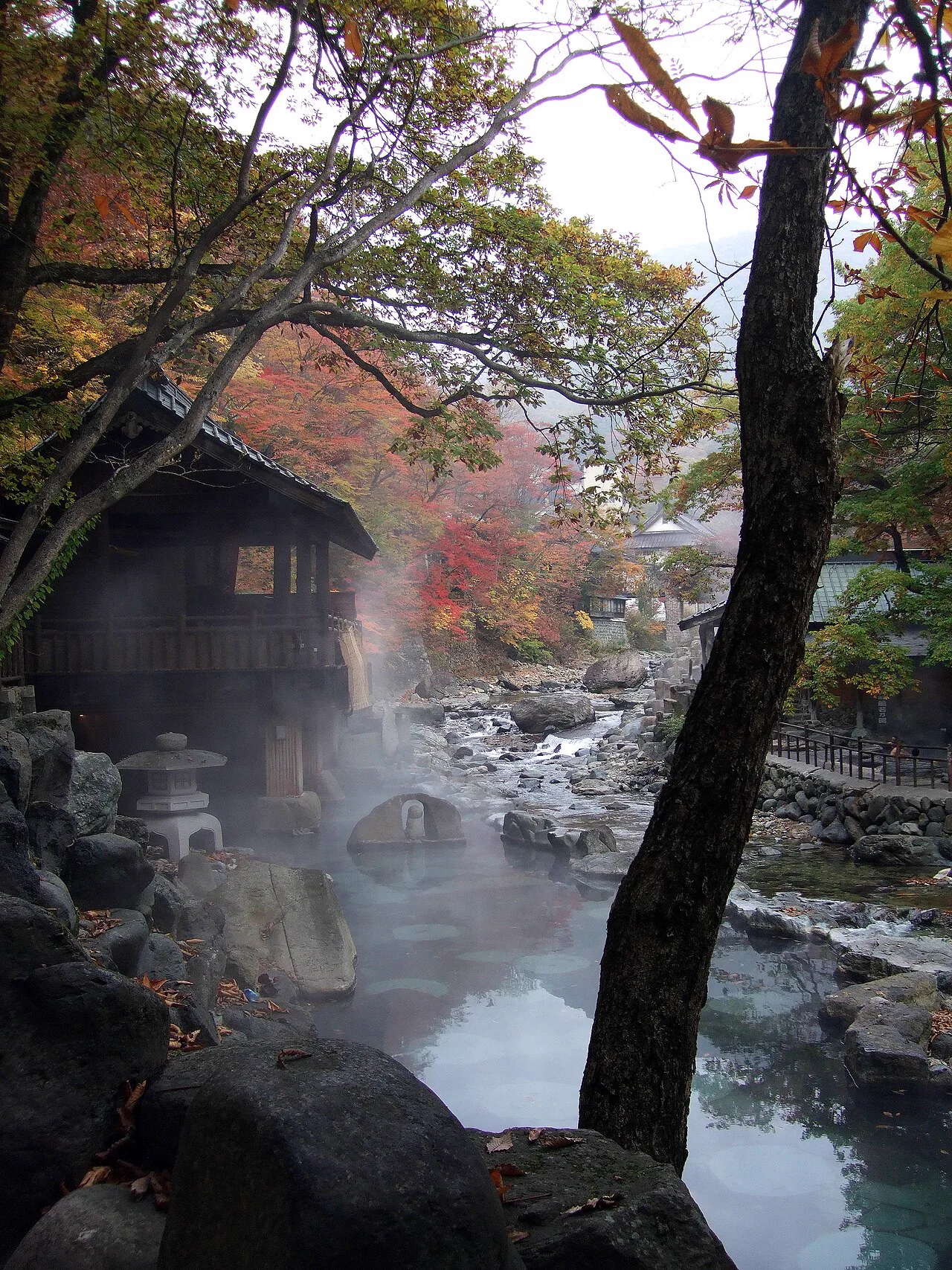
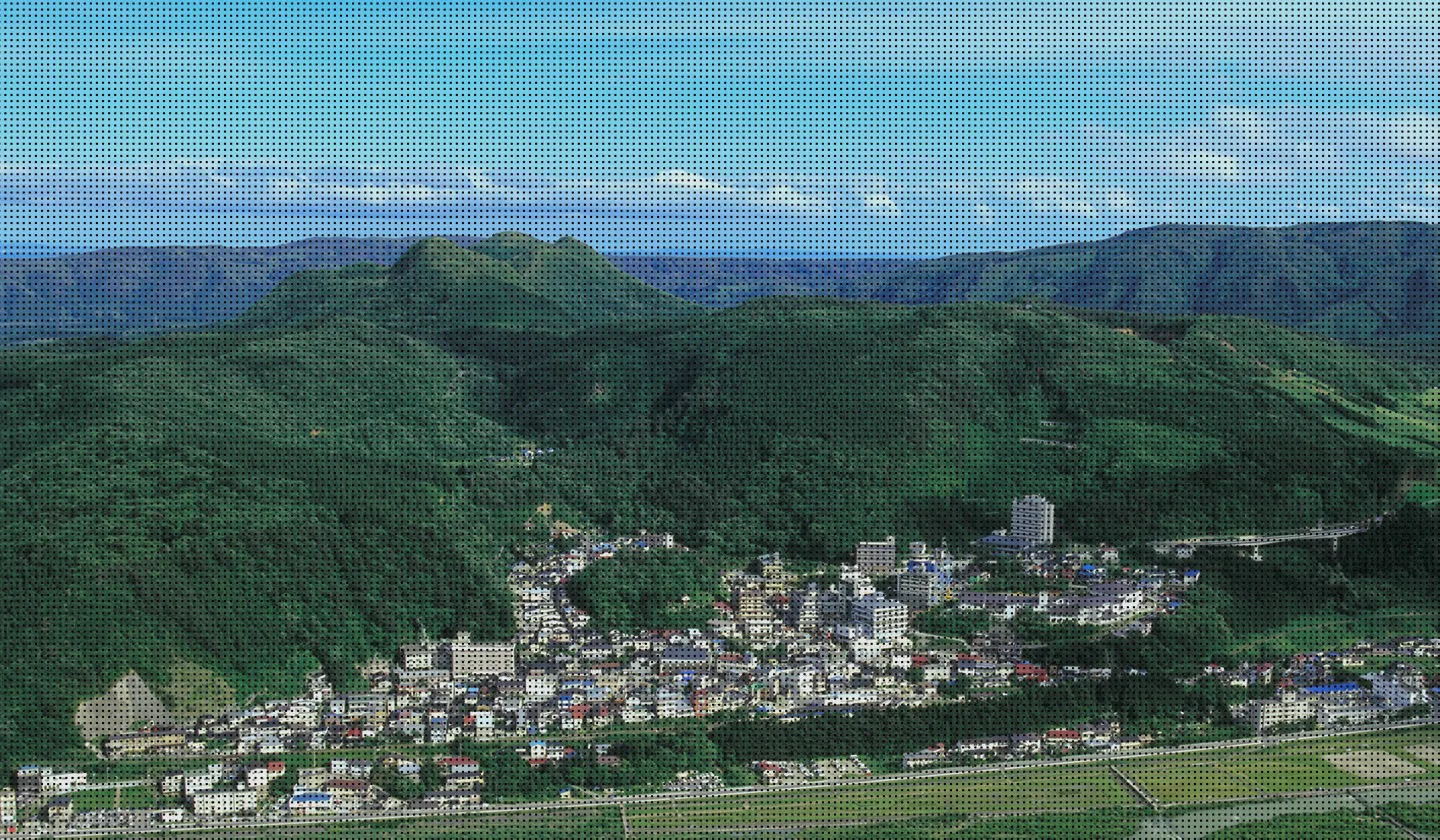
Naruko Onsen-kyo spans Naruko, Higashi-Naruko, Kawatabi, Nakayamadaira and Onikobe. The tourism association describes distinct districts and a wide range of spring types across the area. You can make a simple visit around Naruko Onsen Station, or spend more time moving between districts to compare the water and the character of each bath. See the Naruko day-use guide for a station-area visit and the five-district stay guide if you are deciding where to sleep.
Naruko is also easier to approach by rail from the east: the station sits in the central onsen town. One important exception affects onward travel west. JR East still suspends the Riku-East Line between Naruko Onsen and Shinjō following the July 2024 heavy rain; replacement buses operate on that stretch. Do not plan this as a normal through-train connection.
The association’s example rail journey is:
| Leg | Approximate time |
|---|---|
| Tokyo to Sendai | 120 minutes |
| Sendai to Furukawa | 15 minutes |
| Furukawa to Naruko Onsen | 45 minutes |
Naruko Onsen Station is already in the main district. Adult admission at the commonly compared baths is:
| Bath | Adult admission |
|---|---|
| Takinoyu | ¥300 |
| Waseda Sazikiyu | ¥660 |
| Shintoro-no-yu | ¥500 |
The Yumeguri pass stopped being sold on April 30, 2026. Visitors can still pay at each bath, and previously purchased passes remain valid for their original six-month term.
Choose Ginzan if you want the town itself to set the pace
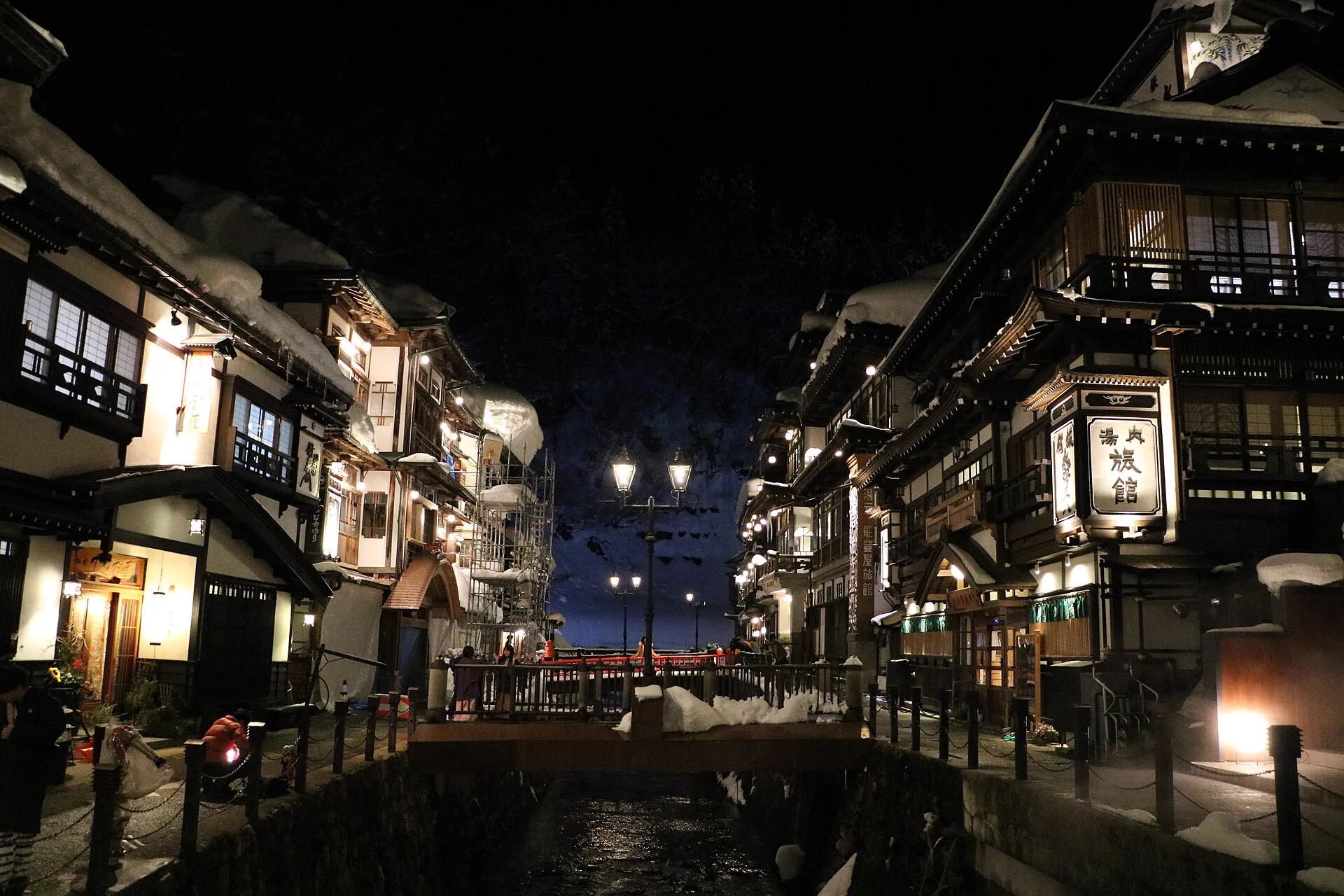
Ginzan’s defining experience is walking its small riverside street among the wooden inns, especially around dusk and after the gas lamps come on. That atmosphere is the reason many travellers stay overnight: a day visitor has to work around the return bus, while an overnight guest can stroll before dinner and again the next morning.
There is a public bath, Shirogane-yu, but Ginzan is not built around a dense circuit of public baths. Obanazawa City lists it as open year-round and gives the current admission as ¥500 for adults and ¥200 for children; Omokage-yu is currently suspended. The free Warashi-yu footbath is listed as open 6 a.m.–10 p.m. Check the tourism office for Shirogane-yu’s current hours before making it the centre of a day trip.
Ginzan’s listed spring is sodium-chloride and sulfate water. Naruko’s appeal to spring-focused visitors is the contrast between individual facilities: Takinoyu is listed at pH 2.9, Waseda around pH 6.6 and Shintoro at pH 9.3. Those are facility-specific readings, not a single number for either region, and spring temperature should not be confused with a bath’s tub temperature.
The access difference is more than one extra bus
Naruko Onsen Station is in the central district, so a no-car visitor can begin walking to baths and inns after getting off the train. Nakayamadaira and the other outlying districts require separate connections, and the western rail section has its replacement-bus caveat.
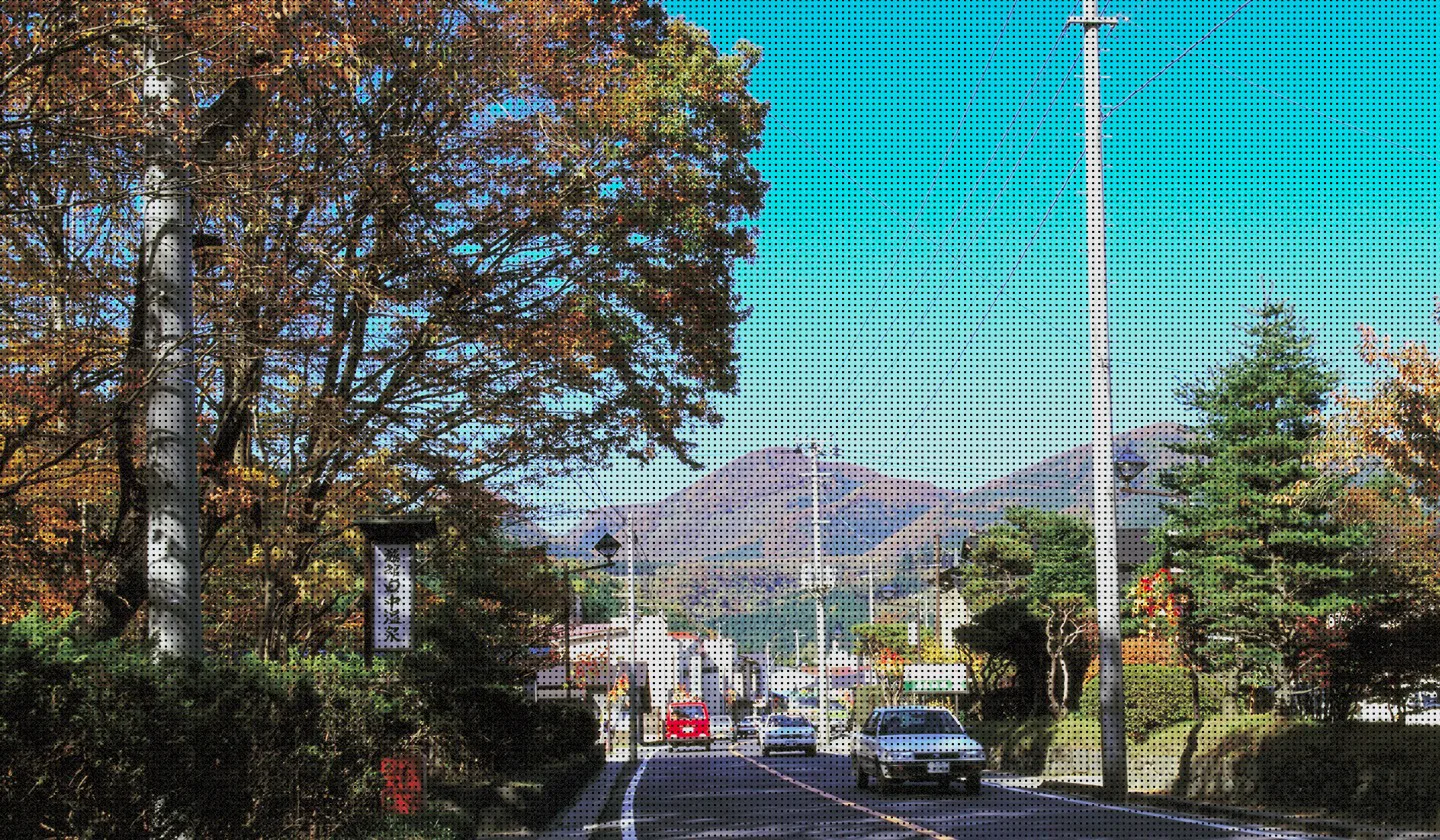
Ginzan has no railway station. The usual public-transport route uses JR Ōishida Station and the Hanagasa bus, whose limited schedule makes the return time central to planning.
Winter access can involve visitor entry controls and park-and-ride arrangements, with shuttle transfers for some visitors. Ginzan’s January 2026 notice covers the 2025–26 season, not the coming winter; check for a new plan before booking transport.
If you prefer not to manage a final bus leg or changing seasonal restrictions, Naruko is the simpler arrival. If the gas-lit street is the reason you are going, that extra transfer is part of the Ginzan trip; plan around it rather than treating it as an inconvenience you can solve on arrival.
Which one makes the better overnight?
At Naruko, an overnight is useful when you want time for a second district, a slower bath visit, or a ryokan with its own spring. It is less necessary if your plan stays around the station for one or two baths. The day trip or overnight guide maps that decision to travel time and district choice.
At Ginzan, a room is more closely tied to the destination’s main appeal. Staying lets you see the street after day visitors leave and avoids racing for a bus at the end of the evening. Rooms can be scarce, so confirm the inn’s meal times, access instructions and cancellation terms before building a wider Tohoku itinerary around it.
Winter changes the risk on each side
For Naruko, winter is still mainly an onsen trip: the station-area baths and inns remain the core, while the Nakayamadaira bus and outlying districts need separate checks. Spa Onikobe-no-yu normally closes for winter from around mid-November to late April, so the whole region should not be assumed to operate uniformly year-round.
For Ginzan, snow improves the street scene but adds road, shuttle and visitor-management constraints. Shirogane-yu and Warashi-yu footbath are listed as year-round, so winter does not mean the town is only for photographs. If the snow-lit street is the main goal, an overnight fits better than a day trip. The 2026–27 rules were not yet fully published as of September 27; do not carry last winter’s dates, prices or shuttle details forward as settled facts.
Compare the water without turning a trip into a checklist
Naruko suits visitors who enjoy comparing spring labels and the character of individual baths. The listed examples span acidic Takinoyu (pH 2.9), near-neutral Waseda (pH 6.6) and alkaline Shintoro (pH 9.3). If one traveller cares more about photography, dinner and the inn setting, Ginzan may make a better shared choice than trying to visit several Naruko baths. More facilities do not automatically mean more enjoyment.
Who should choose each place for one night?
Choose Naruko if you want to bathe in two or three different springs, arrive from Sendai/Furukawa by rail, prefer flexibility in poor weather, or see the trip as a closer look at onsen culture. Choose Ginzan if the dusk or snowy street is what you want to photograph, you are happy to make the inn part of the main expense, and dinner and the riverside setting matter more than bath-hopping. Couples or mixed-interest groups often find Ginzan’s compact evening easier to share; bath enthusiasts usually get more range from Naruko.
Day-trip choices
With only half a day, Naruko is usually easier: the station-area bath and street can be visited without waiting for a destination bus. A full-day visitor can do either place, but should set the return trip first—Ginzan’s bus is the critical constraint, while Naruko visitors need to distinguish the normal eastern rail approach from the replacement-bus section west of town. For a winter photo outing without much bathing, Ginzan is the better match; for a winter soak with fewer dependencies on snow-night access rules, Naruko is generally easier.
Ask each facility about tattoos
Do not infer tattoo rules from either destination’s general reputation. Ask each public bath or inn directly, including whether a private bath is an option and whether that facility accepts it for tattooed guests. Naruko’s three central baths have different published information; the Naruko tattoo guide explains the distinctions.
In brief, Naruko spends your time on bathing variety and Ginzan spends it on the town’s setting. Pick the one that matches what you want the overnight hours to do.
A quick decision
Pick Naruko if you want bathing variety, a railway arrival into the central town and the freedom to make the trip about onsen rather than one photogenic street. Pick Ginzan if you are happy to plan around the bus and want a compact historic setting that is most satisfying when you have time to stay overnight. If winter is the draw, wait for the new season’s access notice before treating last year’s restrictions or shuttle schedule as current.