Naruko or Zao Onsen? Choose by Baths, Base and Winter Plans
Naruko and Zao: compare bath choice, winter plans and access for your next trip.
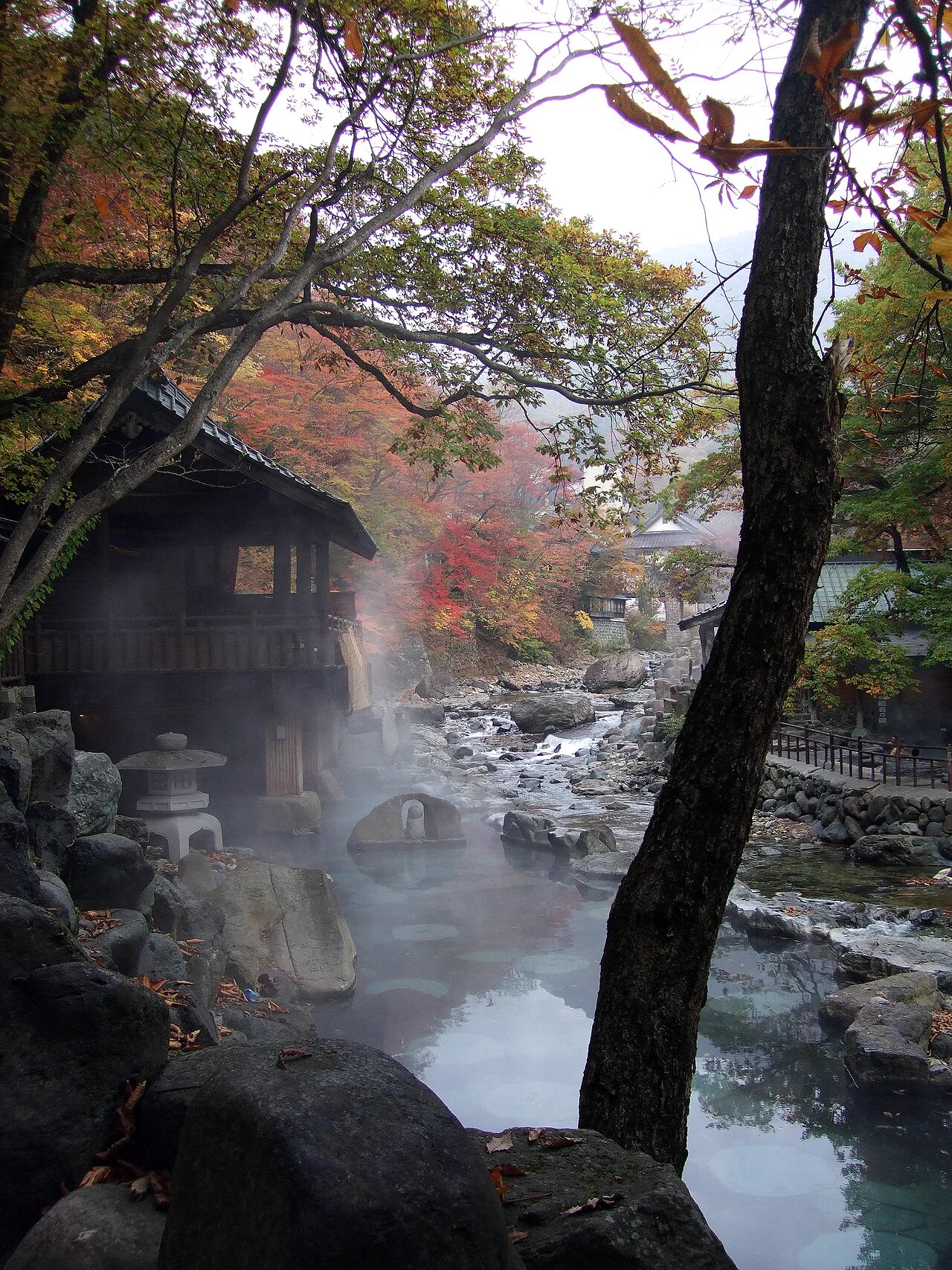
The useful question is what you want to spend your day doing. Naruko Onsen-kyo gives you a central railway town plus several outlying spring districts to explore. Zao Onsen keeps the focus on one highland village, where the baths sit alongside ski areas and ropeways. For one bus-and-bath outing from Yamagata, Zao is easier to arrange. If spring-hopping is the main event, Naruko offers more variety—though the western rail line remains interrupted.
| If your priority is… | Better fit | Why |
|---|---|---|
| Trying different public baths and spring types | Naruko | Five districts give the area a broader spread of baths; the central station district works for a shorter visit |
| Skiing, ropeway views or a snow-season base | Zao | The village is a mountain resort with baths, ski terrain and ropeway access |
| A straightforward outing without a car | Zao from Yamagata; Naruko from Furukawa | Zao has a direct bus from Yamagata Station; Naruko’s station is in the main onsen town |
| Reaching the western side of the region by train | Neither without checking | The Naruko Onsen–Shinjo rail section is suspended and served by replacement buses |
Naruko rewards a slower circuit of baths
Naruko Onsen-kyo is made up of Naruko, Higashi-Naruko, Kawatabi, Nakayamadaira and Onikobe. The different spring profiles belong to individual facilities and districts, not to a single “Naruko water” shared by every bath. A short stay can remain in the central town; a longer one gives you time to travel out to another district and compare the experience.
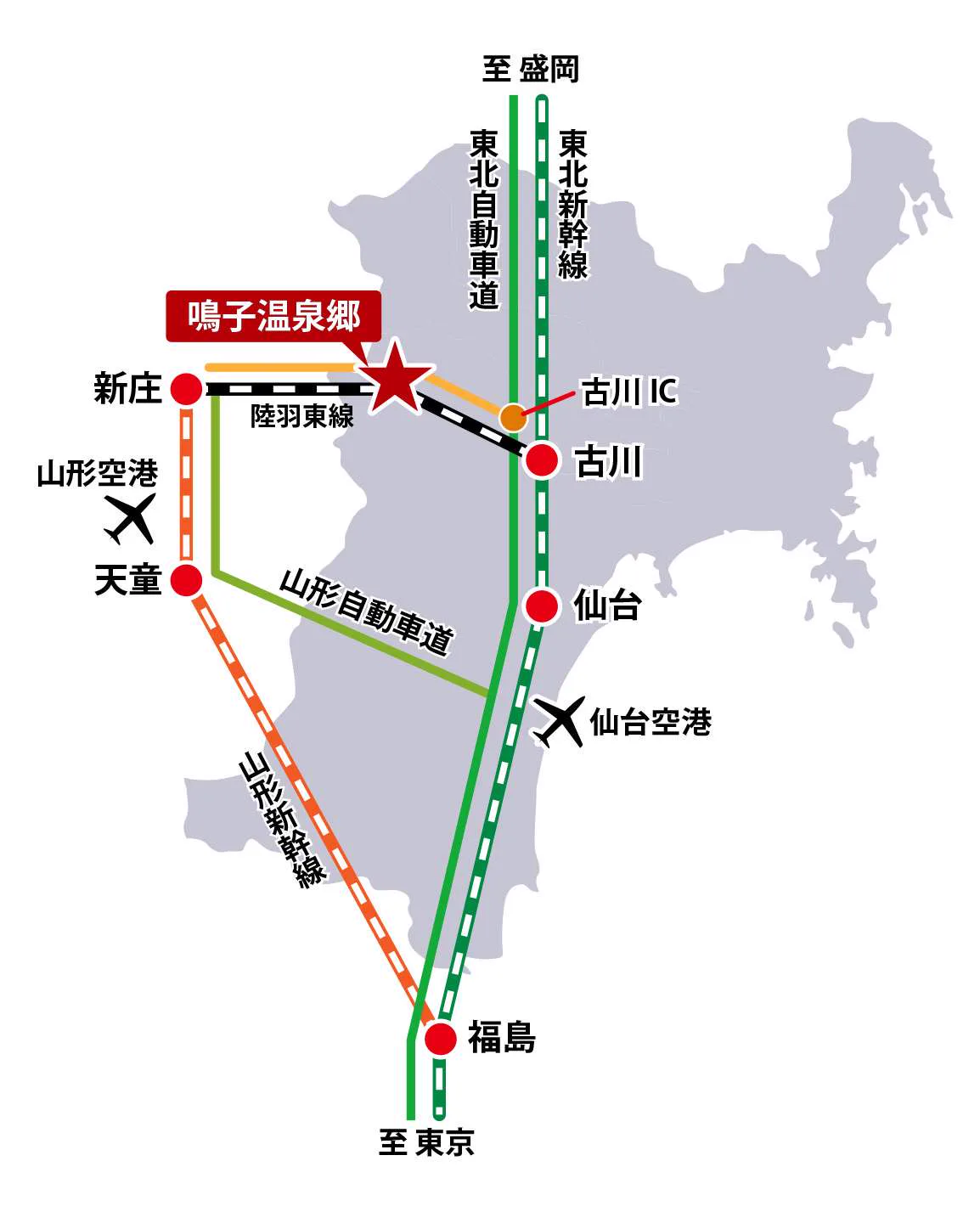
Naruko Onsen Station is in the central hot-spring town. From Sendai, the usual rail route is the Tohoku Shinkansen to Furukawa, then the Riku-East Line to Naruko. The tourism association lists those legs at roughly 15 and 45 minutes, respectively. Westbound travel is different: JR East continues to suspend trains between Naruko Onsen and Shinjo after the July 2024 heavy rain, with substitute buses covering that section. Check the replacement timetable if your route crosses the mountains.
For a central soak, Takinoyu is the dependable starting point. Shintoro-no-yu is in Nakayamadaira, so it is a separate excursion rather than a walk from Naruko’s station. Two recent notices also change what a bath-hopping day can include:
| Facility or pass | Current detail |
|---|---|
| Takinoyu | Listed hours: 7:30 a.m.–9 p.m.; last entry 8:30 p.m. |
| Waseda Sazikiyu | Closed for spring-system maintenance until further notice; the October 17 notice gives no reopening date. |
| Yumeguri ticket | New sales stopped April 30, 2026. Previously purchased tickets remain valid within their original term. |
Check each facility notice again before setting out; opening status can change independently across the districts.
The Naruko day-use guide sorts out the individual baths and their current status. If you want to visit more than the station district, the Naruko no-car route guide explains the transfer trade-offs.
Zao is a mountain village, not a chain of onsen districts
Zao’s appeal comes from combining a village stay with the mountain around it. The official resort information describes strongly acidic sulfur water, with regional source figures of pH 1.25–1.6 and source temperatures of 45–66°C. Those are area-level source measurements, not the temperature of every tub. The village has three year-round communal baths listed at 6 a.m.–10 p.m.; each asks ¥300 for adults and ¥100 for children. Other day-use baths have their own hours and seasonal closures.
From Yamagata Station, the Z90 local bus reaches Zao Onsen Bus Terminal in about 40 minutes. The operator notes that seating is capacity-limited: if the bus is full, passengers may not be able to board. Check the route page for the date-specific timetable and fare before relying on a tight connection. Once in the village, the communal baths are walkable, but routes between the bus terminal, lodging and outdoor facilities can involve slopes.
Winter gives Zao a bigger role in the trip. Ski slopes and ropeway access make sense as part of a mountain stay, but wind and visibility can disrupt plans. Keep a village-based alternative, and check the Zao ropeway weather guide before setting a non-refundable schedule around the summit.
One day or an overnight?
For a compact day trip, Zao’s direct bus-and-village layout is easier to picture: arrive, use one of the communal baths, then return to Yamagata. The day becomes less predictable if you add a ropeway or an outdoor bath with separate operating dates. Confirm the last bus before adding another stop.
Naruko can also work as a day trip if you keep to the central baths. Its advantage grows with an overnight, when you can take a slower look at another district or use a ryokan bath without rushing back to the station. The Naruko day trip versus overnight comparison weighs those options against travel time.
In Zao, an overnight is useful when snow activities or changing mountain weather are part of the plan. It gives you another chance to use the ropeway or ski area and leaves room for an evening bath. If you are visiting in the late-autumn transition, the Zao seasonal change guide explains which facilities and roads change first.
The short answer
Pick Naruko for a bath-focused trip with several distinct districts and a rail arrival into the main town. Pick Zao for a single mountain base where skiing, ropeway access and onsen bathing can share an itinerary. For a first no-car day out from Yamagata, Zao is the simpler route. For a longer soak-and-explore stay from Sendai or Furukawa, Naruko has more room to vary the day, provided you account for the replacement bus west of town.
Tattoo policies are facility-specific. Check the bath you intend to use rather than treating either destination as having one area-wide rule; the Naruko tattoo guide covers the central baths.