Family Baths and Family Stays in Owani Onsen
Wani Come rents private family-bath rooms with indoor and open-air tubs by the hour. For other Owani stays, confirm the room’s bathroom setup first.
The useful distinction in Owani is between a place that welcomes children and a bath where a family can use the same tub. Wani Come offers two bookable family-bath rooms, each with an indoor and an open-air tub. Several inns work well for families in other ways, through room size, meal plans, shuttles or winter activities, but those features do not mean they have a private family bath.
The simplest private soak: Wani Come
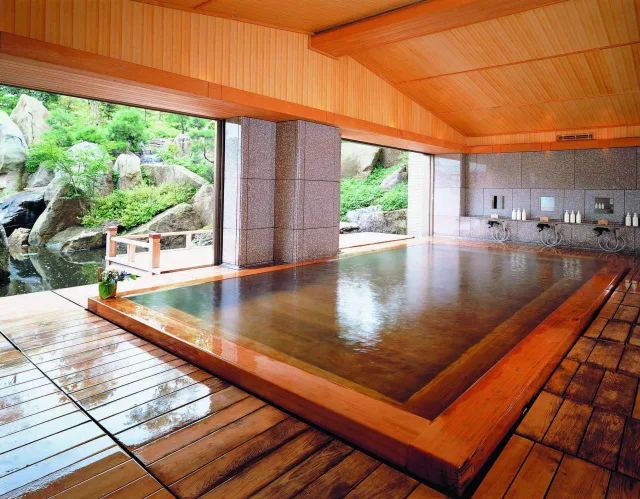
Wani Come’s two family-bath rooms, Hagi-katsura and Kawasemi, are available from 9:15 a.m. to 9:30 p.m.; the last reception is at 8:30 p.m. Each room has an indoor tub and an outdoor tub.
The current rate is ¥1,800 per hour. Reservations by phone start at 9 a.m. on the day of your visit. No extension option is listed, so arrive ready to use the hour you booked.
The schedule is divided into ten one-hour slots, with the final booking running from 8:30 to 9:30 p.m. The listings do not clearly say whether family-bath users also pay the regular-bath admission, so confirm the total when you call. There is no baby bath chair in these rooms; if anyone needs a seat or other bathing support, ask what can be arranged before reserving.
The family bath is a separate product from the regular public bath. If some members of your party also want to use the main baths, check with Wani Come whether they need separate admission; the facility lists general-bath admission separately. The family rooms do not have a lounge room beyond the changing area, and the tourism listing says there is no bath chair. That matters if someone needs a seat while washing or a quieter place to help a small child get dressed.
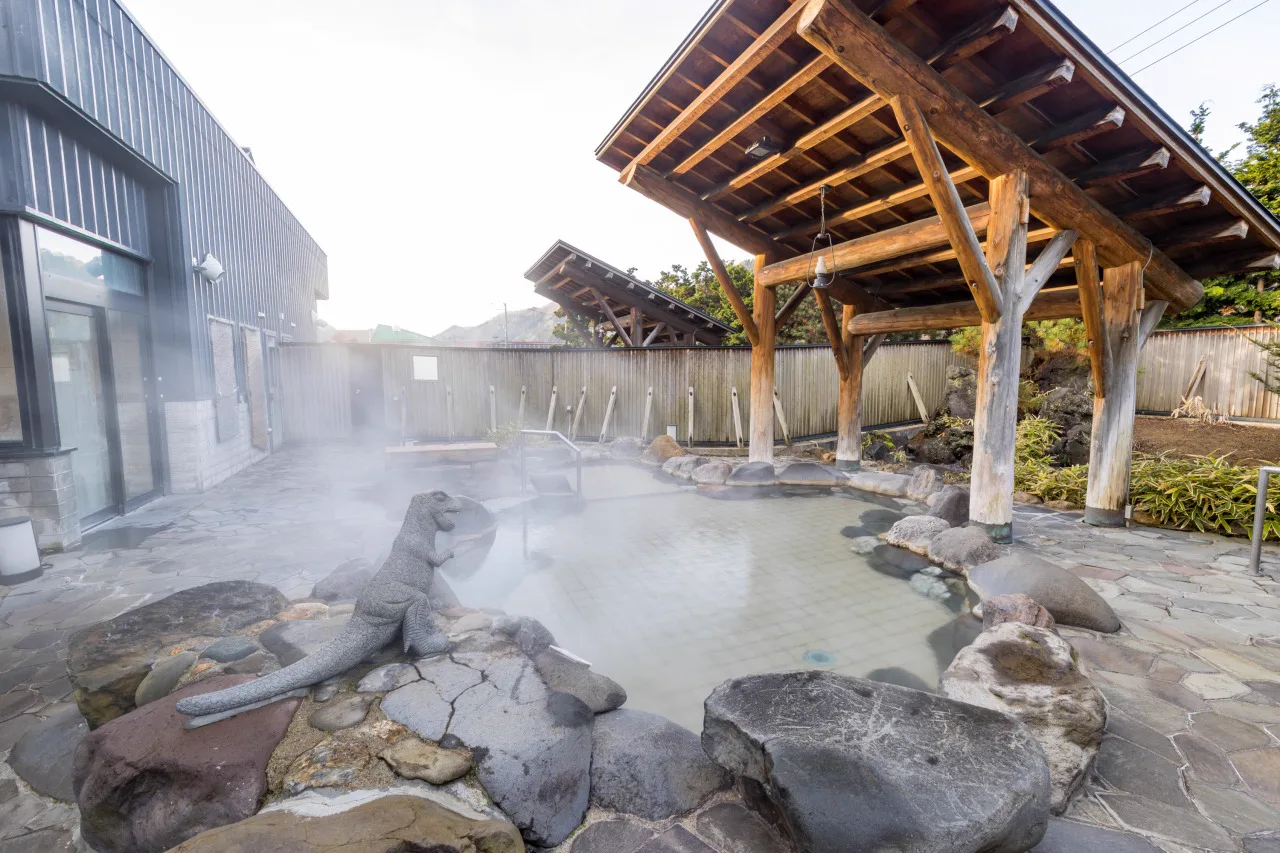
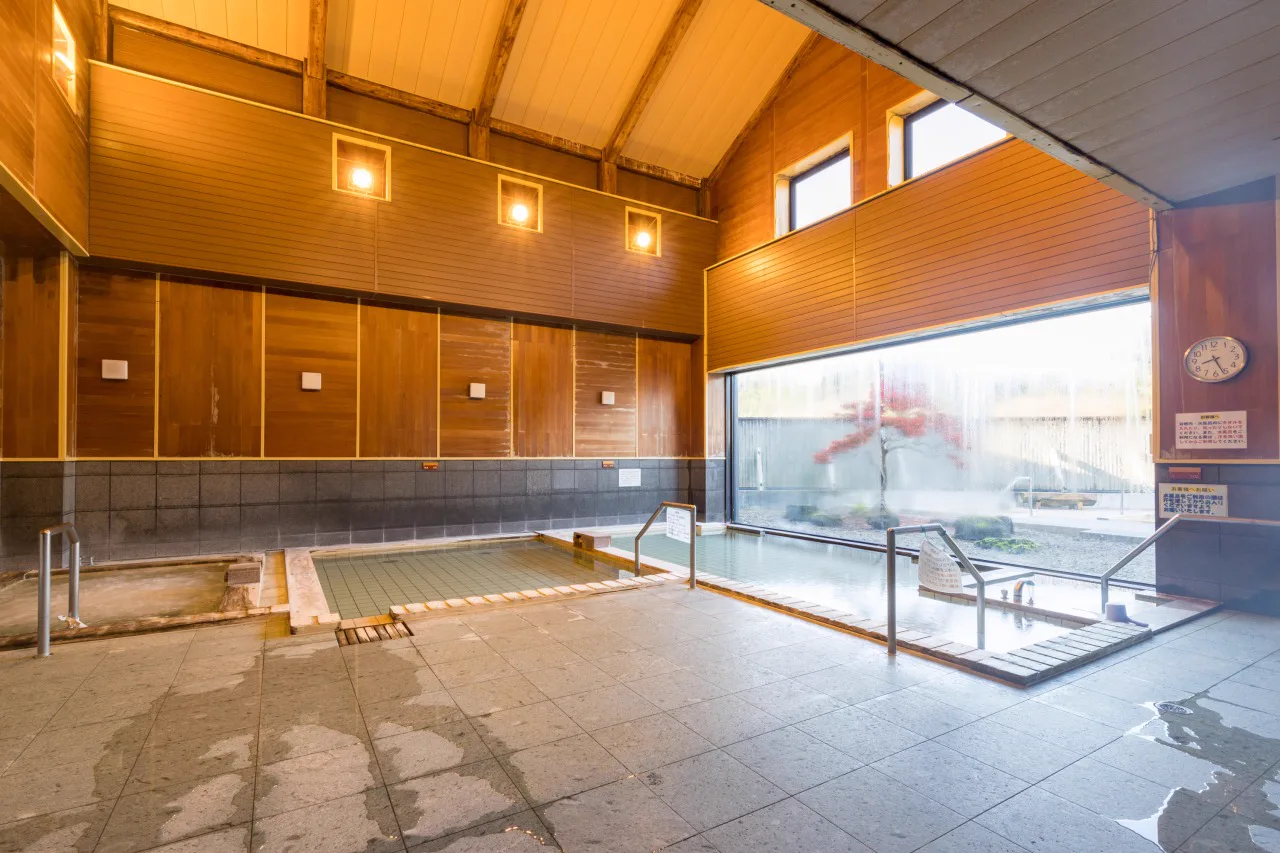
For a short visit, the regular baths may be enough if everyone is comfortable bathing separately. Wani Come’s main facility has two alternating public-bath layouts, open-air tubs and a high-temperature sauna. It opens at 9 a.m. and is beside JR Owani-Onsen Station, so it is the easier choice for a first visit or a stop between trains. The town’s smaller public baths are cheaper, but they are local bathhouses rather than a full-service spa; bring your own washing kit and check their closing days.
Staying overnight: choose the bathing setup, not the family label
Shosenkaku Koyokan is worth asking about if a private in-room hot-spring bath is essential. The inn association’s current listing says only some guest rooms have one, while older descriptions say all rooms do. Request written confirmation of the exact room category and whether its tub uses hot-spring water before booking. A private bathroom is not necessarily an onsen bath.
The inn association still publishes a two-meal reference of ¥8,800–¥13,200 per person, plus a ¥150 bathing tax, but the page has no clear update date. Treat it as a lead for an enquiry, not a current family-room quote; ask separately about children’s meals, bedding and the room-bath supplement.
Fujiya Hotel has family-sized room options and a more conventional ryokan layout. Some rooms have a private bathroom, but the current room information does not establish that those tubs use hot-spring water. The hotel’s public baths are the confirmed onsen option. Its free station pickup must be requested by the previous day; pickup is available from 2 to 6:30 p.m., with morning drop-offs from 7 to 11 a.m. timed around trains.
Aomori Winery Hotel is the practical pick for families building the trip around snow activities or wanting a larger resort. The hotel lists a baby bath chair for loan, subject to availability, and has public bathing facilities. Its current site does not advertise a reservable family bath, so do not book it on the assumption that parents and children can use a private tub together. The hotel is outside the walkable hot-spring town; arrange its reservation-only shuttle or meet its winter-driving requirements.
KAI Tsugaru is a higher-priced ryokan stay with family services and a reserved station shuttle. Its rooms accommodate up to five guests, and children under six may share a bed within room capacity. Those details make it possible to stay as a family, but the official listing does not describe a private family bath. Treat the shared baths as the bathing plan unless the property confirms another arrangement for your room and dates.
Yamani Senyukan is not an option for families with preschoolers: the inn currently accepts children from elementary-school age. It also has no elevator, and all guest rooms are upstairs. For a broader comparison of room styles, transport and facilities, see the Owani Onsen ryokan guide; the day-trip guide covers the public baths.
When a private bath is worth arranging
A family bath can make sense when an adult needs to help a child wash, someone in the group is uneasy about a gender-separated bath, or privacy is simply the reason for choosing an onsen stop. It is less useful if everyone is happy with public bathing and the one-hour booking window would make the rest of the day feel rushed.
Before paying, ask the facility about the children’s admission rules, whether the family-room fee includes entry to the main baths, the bathing temperature, and whether a bath chair or other support is available. If you are staying overnight, confirm the room’s actual tub and water source instead of relying on a general “family-friendly” description.
The public information reviewed does not give a clear tattoo policy for Wani Come or the inns above. Ask the facility directly if this will affect your visit.