Kofu’s Nine Public Baths: Which Onsen Sento Fits Your Day?
Compare nine Kofu public baths by opening hours, neighborhood, spring details and facilities, with current admission guidance for planning a day in the city.
Checked: October 30, 2026

Kofu’s sento are spread across residential districts, so the best match depends on where you will be and when you can arrive. The tourism association lists nine bathhouses. A ¥470 adult ticket is the prefectural controlled rate; the actual facilities and schedules still vary, so treat the city’s directory as a starting point and verify a bathhouse directly before a special trip.
Start with the published schedule
| Bath | Published hours and weekly closing | A reason to choose it |
|---|---|---|
| Kusatsu Onsen | 6 am–10 pm; closed January 1 | Early bathing; source-fed pools listed without reheating or added water |
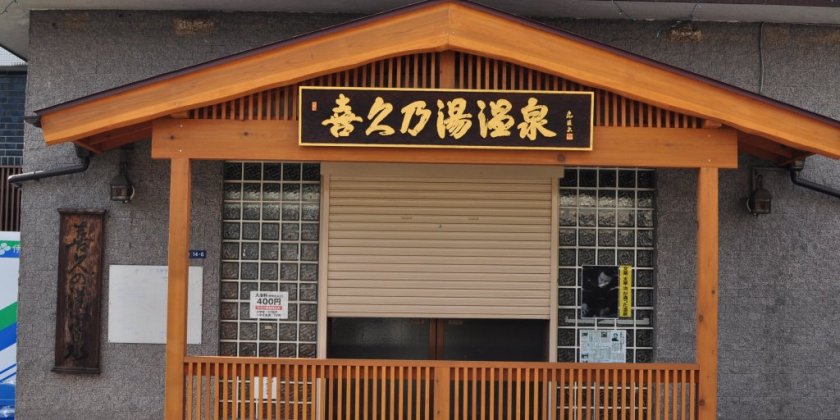
| Kikunoyu Onsen | 10 am–9:30 pm; Wednesday and third Thursday | About a 15-minute walk from Kofu Station’s north exit; sauna and large tatami room |
| Kokubo Onsen | 10 am–10 pm; Wednesday | Open-air bath and the association’s 100% source-flow listing |
| Shinyugame Onsen | 2–10 pm; Sunday until 7 pm; Thursday | Brown-colored water and an old-style neighborhood bath |
| Fuji Onsen | 2–10 pm; Wednesday | Four pools, including electric, ultrasonic and infrared baths, plus a cold bath |
| Yuou Onsen | 2–10 pm; open year-round | Self-flowing spring and a large parking area |
| Tsutsujigasaki Onsen | Weekdays 2–9 pm; Sundays and holidays 10 am–9 pm | Near Takeda Shrine, with an outdoor bath |
| Midorigaoka Onsen | Call for hours; Tuesday and a third-Sunday/Monday break | Near Midorigaoka Park; confirm the operating day before travelling |
| Miyako Onsen | 2–9 pm; closed Saturday | Central Kofu bathhouse, about 15 minutes on foot from the station’s south exit |
The prefectural controlled admission caps are:
| Age | Maximum standard admission |
|---|---|
| 12 and over | ¥470 (about HK$23 / NT$98) |
| 6–11 | ¥170 (about HK$9 / NT$35) |
| Under 6 | ¥70 (about HK$4 / NT$15) |
These are caps for general public bath admission; sauna or rest-room use can add a separate charge.
The table is most useful for narrowing the map, not planning down to the minute. Midorigaoka asks visitors to call about opening hours, and the directory does not give a clear weekly closing day for Tsutsujigasaki. Neither is a safe choice for a tight connection unless you confirm first.
For an early train: Kusatsu Onsen
For a soak before breakfast or an early departure, the Kofu bath called Kusatsu is the only one listed from 6 am. It sits by the Arakawa River and is unrelated to Kusatsu in Gunma. The tourism association gives a source temperature of 47°C and says the water is neither heated nor diluted. That describes the spring at its source; it should not be read as the temperature of every bath.
The station walk and the sauna option
Kikunoyu works well for a stay near the station: allow about fifteen minutes on foot from the north exit. Its official site confirms the prefectural adult rate of ¥470 and lists a dry sauna, cold bath and pools at different temperatures. There is also a tatami room upstairs, but its use is separate from ordinary bath admission; ask the operator about access and charges if you plan to linger.
Fuji Onsen starts at 2 pm, which rules it out for a morning visit. Its four pools include electric, ultrasonic and infrared baths, plus a cold bath. In Sumiyoshi, Yuou Onsen is another afternoon option. The tourism association describes a naturally flowing spring; the bathhouse association gives a flow rate of 400 litres a minute. Those are Yuou-specific notes, not evidence about how water is handled at the other venues.
Look for spring details, not just the word “onsen”
If water information matters more than proximity, start with Kokubo or Shinyugame. Kokubo’s listing identifies a Moor spring and says the bath is entirely supplied by the source; there is an outdoor pool as well. Shinyugame is described as another brown Moor spring. Its Sunday closing time is 7 pm, three hours earlier than on other listed days.
Miyako appears in the tourism association’s onsen-sento directory, yet the prefectural bathhouse association does not classify it as a natural hot spring. No facility-specific analysis sheet is linked from the two listings. That gap does not prove that the bath lacks spring water; it leaves the source details unverified. Anyone choosing by water composition has better-documented options in Kokubo and Shinyugame.
Child admission, sauna access and tattoo rules
The child rates follow the same prefectural schedule. A sauna is not part of every bathhouse, even where standard admission is the same. Tattoo policies are set venue by venue, so contact the operator about its current rule.
| Age group | Controlled admission |
|---|---|
| Ages 6–11 | ¥170 (about HK$9 / NT$35) |
| Under 6 | ¥70 (about HK$4 / NT$15) |
For a bath attached to an inn, compare the Yumura day-use guide. East of Kofu, the Isawa day-onsen overview leads to individual visits at Hana Isawa, Hotel Hatta, Itoyanagi and Kagetsu. For later bathing, check the Isawa evening guide; for a family-oriented stop, see the Chateraise Hotel Isawa guide.