Spa Aquas Yutoraku in Ichinomiya: Baths, Saunas and Prices
Spa Aquas Yutoraku prices, hours, saunas and Nagoya access, plus ticket choices.
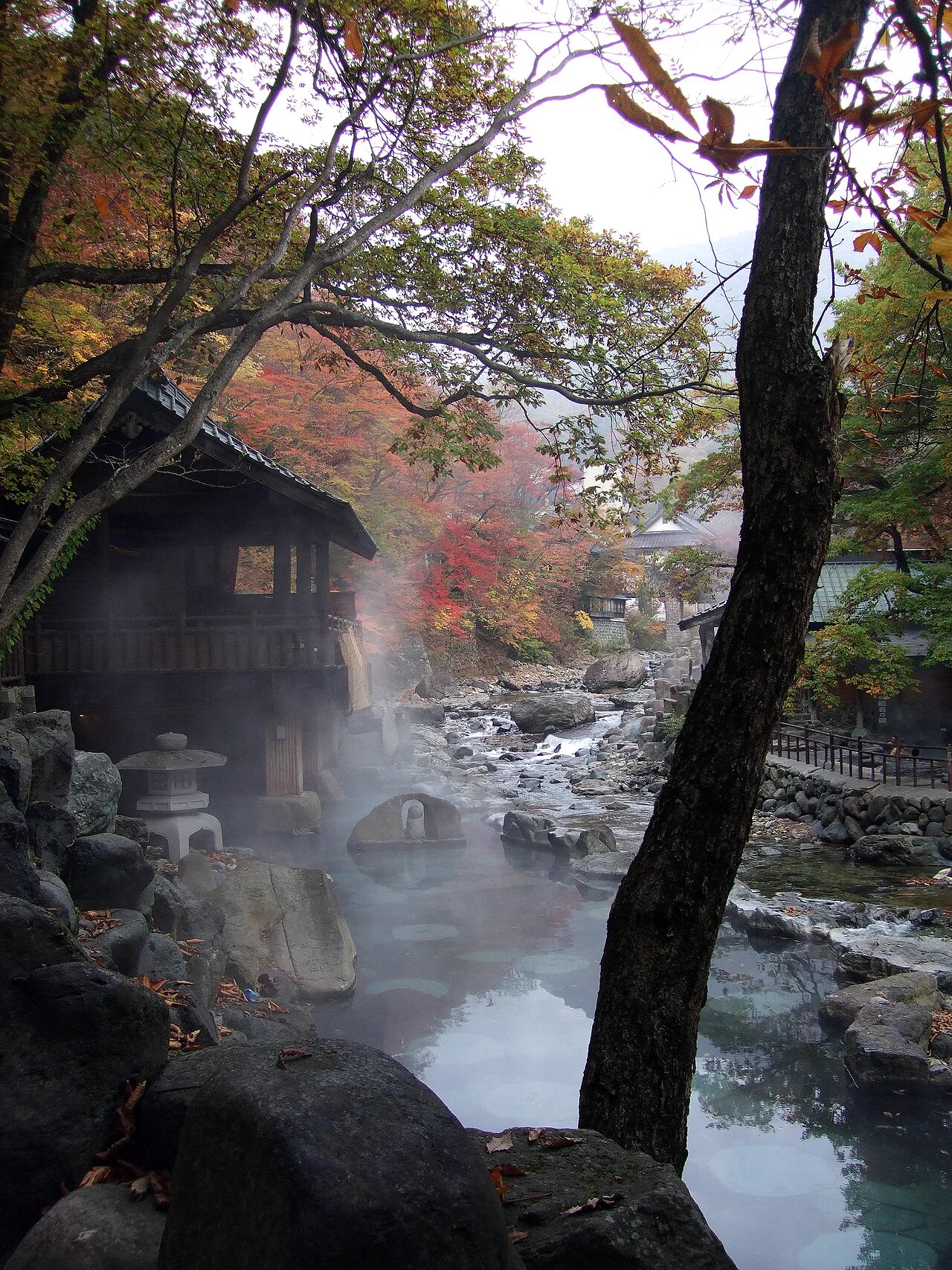
Spa Aquas Yutoraku works as a half-day stop when you want several sauna styles and an optional lounge floor, with a short walk from Meitetsu Kaimei Station. The standard ticket covers the baths and regular saunas; heated-stone rooms and the manga lounge cost extra. It is a super sento rather than a documented natural hot spring: the operator does not publish a named source or a water-analysis sheet.
The renovated facility reopened on June 18, 2026. Its current visitor guide lists 12 bath types, although particular pools can change with the season or sauna events. If one specific tub is the reason for your trip, check that it is running before you leave Nagoya.
Choose the ticket before you arrive
| Admission | Weekday | Weekend or public holiday |
|---|---|---|
| Adult bath and sauna | ¥850 | ¥950 |
| Child, ages 4 through elementary school | ¥300 | ¥350 |
| Child, age 3 and under | Free | Free |
| Adult ganbanyoku add-on | +¥500 | +¥600 |
| Child ganbanyoku add-on | +¥300 | +¥350 |
The stone-heated rooms, cooling room and relaxation lounge are on a separately priced floor. A ten-visit adult pass costs ¥7,800, but makes sense only if you expect repeat visits. The building also has a restaurant, paid treatments and vending machines; food brought from outside is not allowed.
For a soak and one sauna round, the basic ticket is enough. Add ganbanyoku when you want to read, lie down between sessions or stay several hours. The venue does not permit re-entry, so finish errands and meals before checking in.
The main floor suits people who want variety
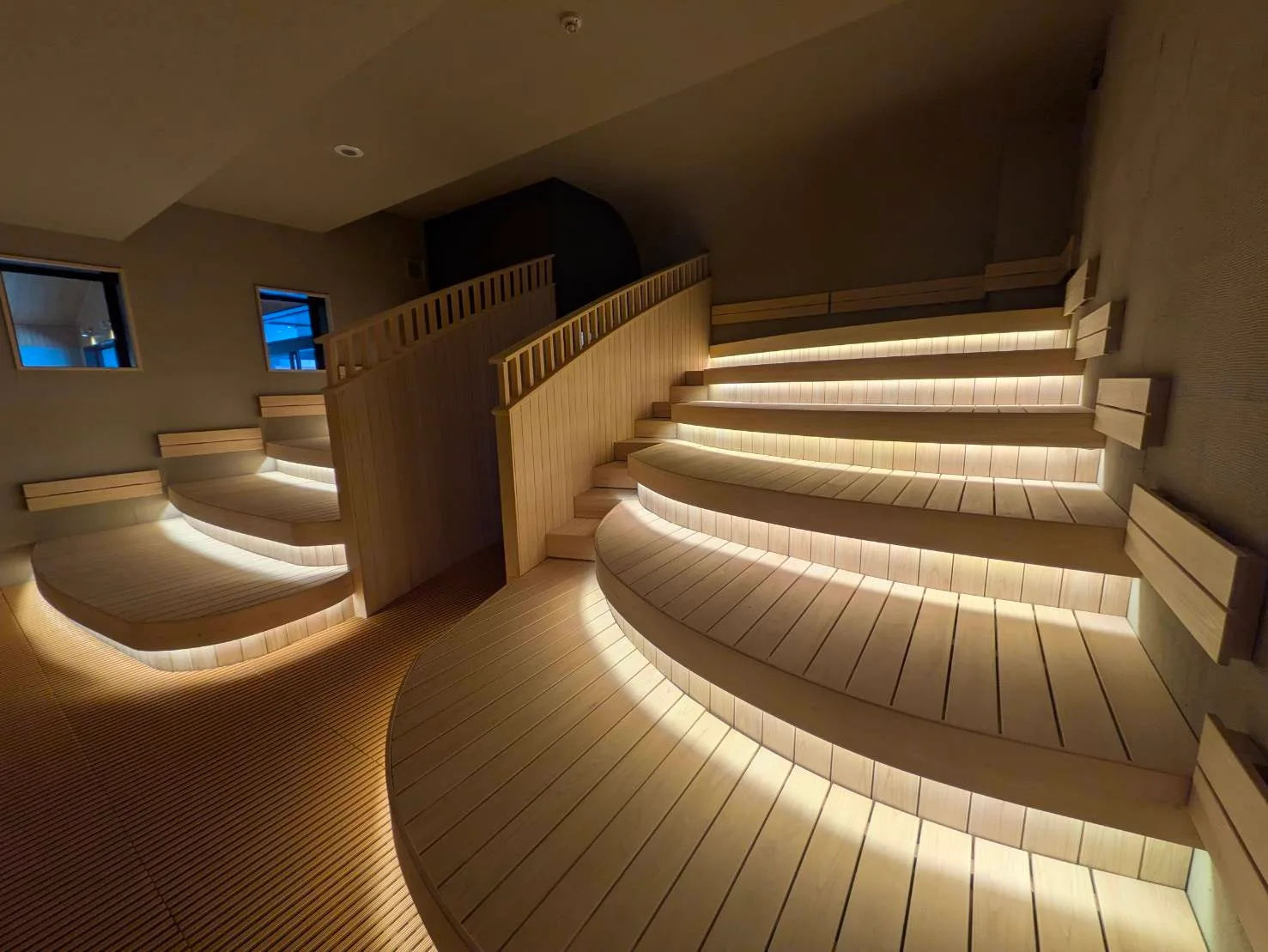
The published lineup includes high-concentration carbonated water, a standing bath, ceramic single-person tubs, massage jets, a silky bath, an electric bath and two cold pools. The men’s area has a tiered stadium sauna and a separate darker meditation room. The women’s area lists an aroma sauna and a Finnish barrel-style room where quiet conversation is allowed. Layouts differ by side, so companions may not have identical facilities to compare afterward.
The operator lists the outdoor cold pool at about 12°C and the indoor one at about 16°C. Those are current reference figures, not a requirement to use either pool. Heat followed by cold immersion can feel intense; skip the plunge if it is uncomfortable and leave the sauna if you feel dizzy or unwell.
Ganbanyoku makes this a longer lounge stop
The upper relaxation area, called Rikanbo, has heated-stone rooms, an automatic löyly room, heated flooring, a terrace and a cooled room. The operator advertises about 6,000 books and magazines, Wi-Fi, partly enclosed booths and loft seats. It can work well for a group whose members want to spend the afternoon at different speeds, but the extra fee buys lounge access rather than more pools on the main floor.
If you are comparing heated-stone bathing with sauna facilities elsewhere, see the ganbanyoku and sauna guide. For another newer Nagoya-area spa, Yuno-ya Toukichirou in Kiyosu also separates its main baths from a relaxation-floor supplement.
Getting there from Nagoya
From Meitetsu Nagoya, take a train to Meitetsu Ichinomiya, change to the Bisai Line and get off at Kaimei. The facility is about a five-minute walk from the station. Depending on the connection, allow roughly 25 minutes from central Nagoya and check the return train before choosing a late session.
Drivers have about 230 free parking spaces. A car is optional, which keeps the visit simpler than a drive to a rural bath. Compare the Nagoya day-use bath guide for a city-centre plan and Canal Resort in Nagoya for a different large-spa layout.
Hours, entry rules and what remains unclear
The facility opens at 9 a.m. and closes at midnight Sunday through Thursday; Friday and Saturday hours extend to 1 a.m. Last entry is 45 minutes before closing. Tattoos, tattoo stickers and body paint are not accepted. The operator also bars outside food and drink, and leaving the building ends the visit.
The spring details are limited: public information does not identify a natural spring source or publish a water-analysis certificate. Treat it as a sauna-and-bath complex when comparing it with an onsen. The spring-water label guide explains what a source certificate can and cannot tell you; the source and bath temperature guide separates spring readings from pool temperatures.
For other nearby choices, compare Nagoya’s day-use baths, Aichi’s Toukichirou and the day-use options in Gero. If you are weighing the longer journey, check Gero access from Nagoya before deciding. Spa Aquas is the stronger fit when sauna choice and lounge time matter more than a named natural spring.