Ganbanyoku or Sauna in Japan? Heat, Clothes and Fees
Compare ganbanyoku and Japanese saunas by how the heat works, what you wear, who can share the room, age limits, booking rules and total fees.
Ganbanyoku and a sauna both use heat, but the visit is organised differently. In a ganbanyoku room you lie down, clothed in facility wear, on a warmed stone or tile bed. In a sauna, you sit in heated air; at many Japanese public baths it is within the men’s or women’s bathing area. The difference affects what you pack, whether companions can share the room and what the ticket includes.
Neither label guarantees a specific temperature, material or privacy setup. Check the facility’s rules before paying, especially if you are visiting with children, a mixed-gender group or someone who needs breaks from heat.
| Decision | Ganbanyoku | Dry sauna |
|---|---|---|
| Where the heat comes from | A warmed surface under or beside you; the room may also be heated | The air in an enclosed room |
| Usual posture | Lying down, resting between periods | Sitting, often in short rounds |
| Clothing | Dedicated facility wear is common | Depends on the venue; a sento sauna usually follows its gender-separated bath rules |
| Sharing across genders | Possible in a designated common room | Not typical in a standard sento bathing area; check each venue |
| Ticket | Often an add-on to bath admission and clothing/towel costs | May be included in bath admission or sold separately |
| Breaks | A cooler rest area may be part of the facility | Usually leave the hot room to cool down between rounds |
Ganbanyoku is not synonymous with a natural-rock cave, and a lower room reading does not make it suitable for a longer session. Some rooms use ceramic or other manufactured panels. A sauna can also be dry, steam or mist-based; those are different room conditions, not interchangeable temperature ratings.
Start with the ticket, not the headline admission
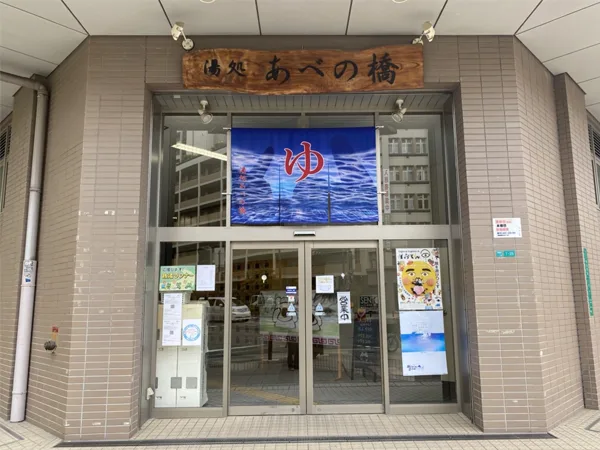
Maeno-no-yu-dokoro Saya in Tokyo shows how a ganbanyoku visit adds up. Its operator lists a separate bedrock-room charge, and the public-bath admission is required. The add-on contains both the facility wear and a dedicated bedrock towel; a bath towel rental is another item.
| Saya-no-Yudokoro adult charge | Weekday | Weekend / public holiday |
|---|---|---|
| Bath admission | ¥970 (about HK$48 / NT$200) | ¥1,300 (about HK$65 / NT$268) |
| Ganbanyoku add-on | ¥760 (about HK$38 / NT$157) | ¥760 (about HK$38 / NT$157) |
| Combined entry | ¥1,730 (about HK$86 / NT$357) | ¥2,060 (about HK$102 / NT$425) |
| Optional bath towel set | +¥380 (about HK$19 / NT$78) | +¥380 (about HK$19 / NT$78) |
These are the operator’s listed amounts checked October 30, 2026. Saya announced a price revision effective November 4, 2026; the published notice did not expose the new amounts in its accessible text. Check the live admission page before a visit on or after that date. Busy-day pricing can use the weekend rate even on another day; the operator says it applies for the first five hours, after which an additional hourly charge may apply.
The bedrock area is for junior-high-school age and older and cannot be entered without bath admission. Its posted hours are 9 a.m.–11:30 p.m.; the main bath runs until midnight, with last entry at 11 p.m. In facility wear, guests may leave and return to the ganbanyoku area without a time limit. Those are Saya’s house rules, not national standards.
Reservation rules can matter more than the room temperature
Gokoyu in Kyoto is a neighbourhood sento with a reservable ganbanyoku room. The operator’s current FAQ says the room is not a stand-alone ticket: you also pay the normal bath admission. It prioritises reservations, and gender-sharing depends on who has booked. If a woman has reserved the room first, she must agree before a man or a couple joins her. Call before travelling if mixed-gender access is the reason you chose it.
| Gokoyu charge | Amount or status |
|---|---|
| Adult bath admission, with standard sauna | ¥550 (about HK$27 / NT$113) |
| Ganbanyoku surcharge | Its page still shows ¥750, a price dated May 1, 2018; call to verify the current rate |
Gokoyu also says that shampoo, rinse and soap are not supplied as standard sento amenities; small single-use packets and towels are sold. Its standard sauna is included with bath admission, so do not assume its stone-bed room and sauna share one add-on charge.
At Saya, children below junior-high-school age cannot use the ganbanyoku room or sauna. At Gokoyu, the current FAQ addresses reservation and mixed-gender access, not a clear child-age rule for the bedrock room. Ask the bath before bringing a child. Public-bath rules about washing, towels and gender-separated areas are covered in our first sento visit guide.
Which heat room suits your plan?
Choose ganbanyoku if you prefer resting on a warmed surface, want to remain clothed and have enough time for a longer visit. It can be a workable shared activity for companions of different genders when the venue explicitly offers a mixed room. Look for a separate cooling area and read the room’s entry limit before staying in.
A sauna suits a shorter hot-room round or a visit where the sauna is already part of the bath ticket. In a sento, expect a gender-separated bathing area unless the facility says otherwise. Some larger spas offer a shared sauna or private room, but the clothing and reservation rules differ from one property to another.
Heat exposure can feel different from person to person. Follow posted time limits, drink water, leave if you feel unwell and ask the facility about access needs. Stone names, sweat volume and a particular room temperature are not evidence of a medical benefit. For a facility with both formats, compare Saya-no-Yudokoro’s onsen and bedrock rooms; for another Kyoto sauna visit see Gokoyu and Kyoto sento sauna options and Umeyu’s sauna guide.
If you are deciding between a public bath and a larger complex, our guide to sento, onsen and super sento explains the categories. Kyoto alternatives include central Kyoto sento, late-night sento and the Kyoto sento overview. To plan a simple visit, use the sento packing list; to distinguish spring readings from room temperatures, read onsen water temperature basics and spring-quality terminology.
