Asamushi or Hakkoda? Pick the Right Aomori Onsen Stay
Asamushi is rail-easy; Hakkoda means mountain baths and more transport planning.
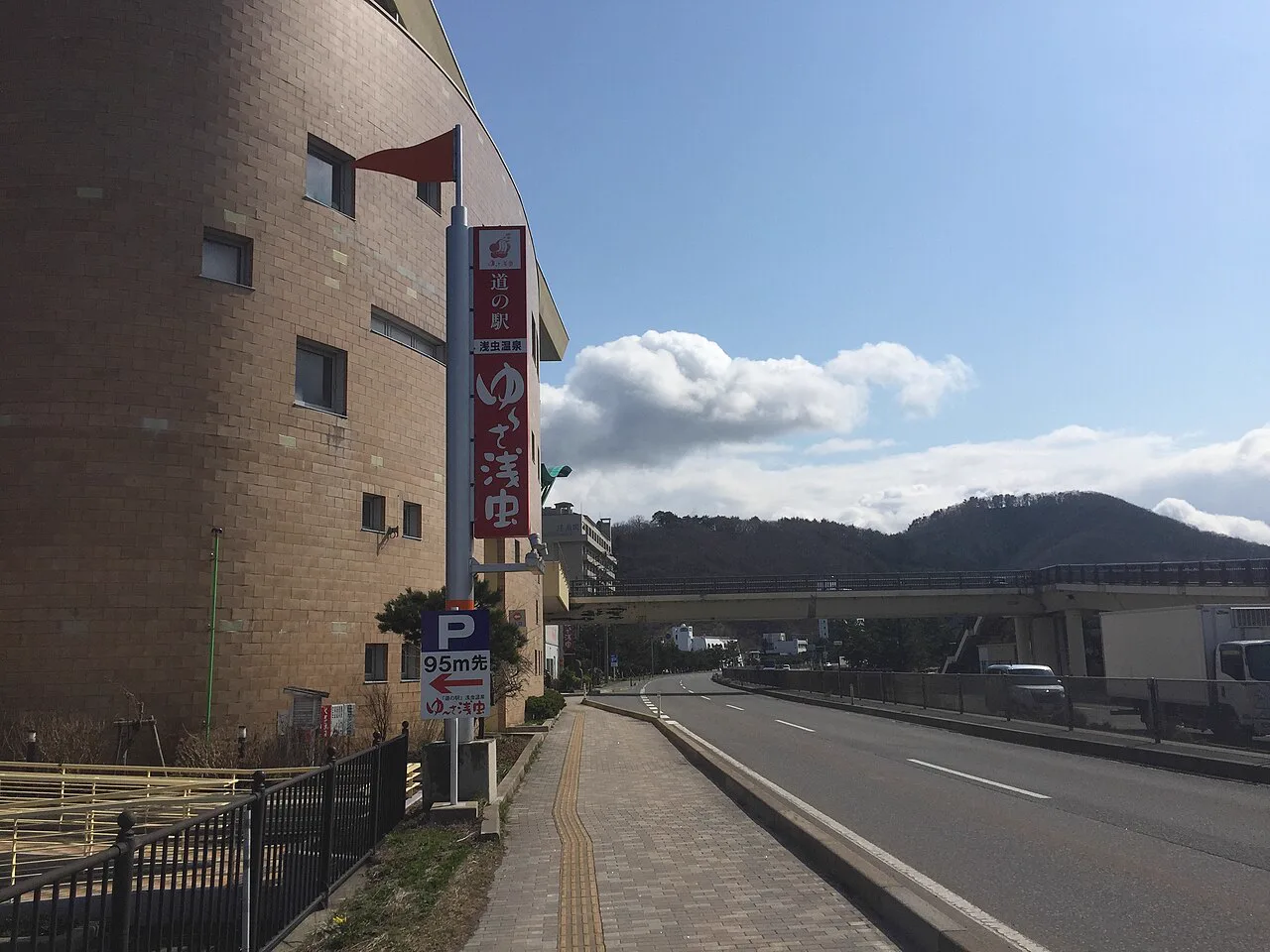
For a one-night stop near Aomori, Asamushi is the straightforward choice: the Aoimori Railway drops you beside a small coastal hot-spring town. Hakkoda is a mountain stay, where a specific bath, forest setting or seasonal landscape usually justifies the extra transfer. Choose by the evening you want and the next morning you need, not by the word “onsen” on a map.
Asamushi-Onsen Station is about 25 minutes from Aomori by train; the current adult fare is ¥540 each way. Sukayu, the best-known Hakkoda-area bath, is roughly 70 minutes from Aomori by bus, with seasonal schedules and reservation rules to check. Hotel shuttles can make an overnight stay easier, but they run at set times.
What the extra travel buys
Asamushi gives you a compact town. Several inns are within walking distance of the station, Mutsu Bay is close, and the aquarium is an indoor option when weather spoils a coastal walk. You can return to Aomori or connect onward without organizing the whole day around a pickup.
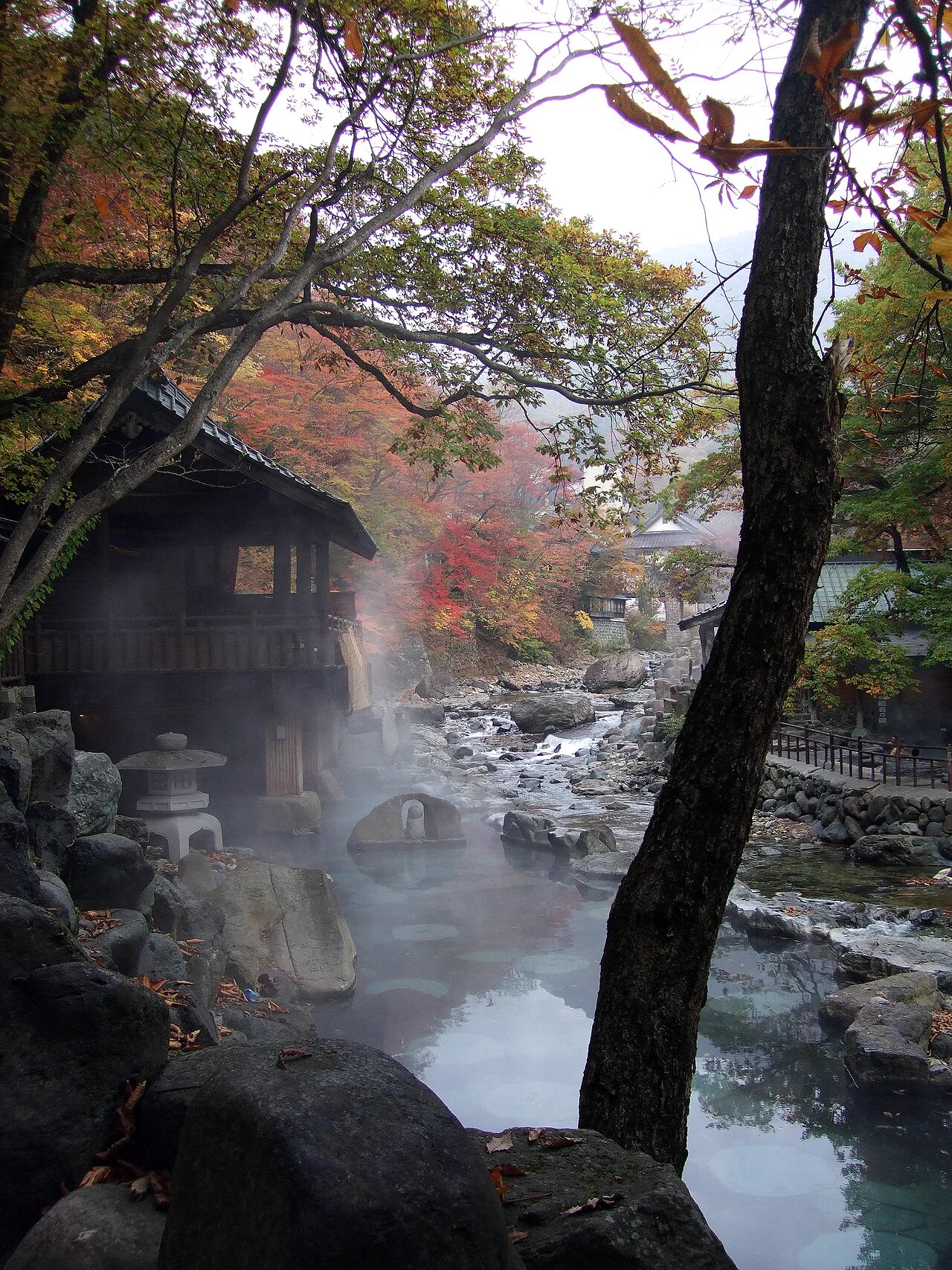
Hakkoda trades that flexibility for a mountain setting. Sukayu’s large mixed Sen-nin-buro and separate Tamano-yu are major reasons to stay; the bathing garment required in the mixed bath is available through the inn. Hakkoda Hotel adds a wood-built resort atmosphere and a scheduled guest shuttle to Sukayu. Shops and restaurants are sparse around the lodgings, so check meal arrangements before you book.
| Decision point | Asamushi | Hakkoda area |
|---|---|---|
| Arrival from Aomori | Aoimori Railway, around 25 minutes | JR bus or a prearranged lodging shuttle; allow about 70 minutes to Sukayu by bus |
| Evening | Town stroll, bay views, inn dinner or nearby dining | Mostly at the inn; plan meals and transfers in advance |
| Backup if weather turns | Aquarium and indoor time in town | Indoor bathing; ropeway, trails and road access can be affected |
| Best use of one night | A flexible break between Aomori plans | A stay whose main purpose is a mountain bath or landscape |
The transport difference is more than travel time
The train to Asamushi is simple, but a late arrival still needs a timetable check. The current Aoimori Railway fare table lists ¥540 for an adult from Aomori and ¥270 for a child. From the station, walk time depends on the inn; snow, luggage and an uphill approach can make a short distance feel longer. Ask your property whether it offers pickup if anyone in your group has mobility needs.
Hakkoda is not one walkable village. Sukayu, the ropeway and other mountain stops are separated by distance, and you cannot count on walking between them. Sukayu and Hakkoda Hotel list guest shuttles from Shin-Aomori, but seats and departure times need advance coordination. The hotel’s FAQ says the shuttle has one morning and one afternoon service; verify the exact schedule for your date. Sukayu also directs visitors to check the current bus timetable and winter reservation requirements.
That makes Hakkoda workable without a car when your lodging, shuttle and activities line up. It is a poor fit for improvising several stops after arrival. If your connection depends on a single bus or hotel pickup, keep the rest of the day light and confirm what happens if weather delays the service.
Bath choice: town lodging or a particular spring
In Asamushi, the choice is usually between inns rather than one district-wide bath. Kaisen-kaku faces Mutsu Bay; Tsubakikan has nine on-site sources and a garden; Yanagi no Yu has cypress baths and a historic association with the former Tsugaru domain. Their day-use policies differ, so an overnight booking is the safer way to plan around a particular inn’s baths. See the Asamushi ryokan comparison for property-level choices.
Hakkoda has more distinct bathing styles in a smaller cluster of mountain facilities. Sukayu is the most recognizable, while Hakkoda Hotel gives overnight guests a different setting and scheduled access to Sukayu. Do not assume the water, rules or admission conditions are interchangeable between properties. If bathing is the whole point, decide which exact facility matters and check its current rules before choosing a room.
When each option makes sense
Choose Asamushi if you have one night between city sightseeing and a train departure, are travelling with children, or prefer an easy indoor alternative. It also suits a trip where the bay is a pleasant extra rather than the main event.
Choose Hakkoda when a specific mountain bath is high on your list and you are content to build the day around a shuttle or bus. A second night helps if you want both a slow inn stay and outdoor sightseeing. For winter, do not treat a summer bus schedule or a map distance as a plan: snow, road controls and visibility can change what is reachable.
A simple one-night outline
For Asamushi, arrive by train in the afternoon, leave bags at the inn and walk the shoreline before dinner. The aquarium works the next morning if its hours fit your departure. Keep the return rail connection in view, especially if travelling on a reduced holiday schedule.
For Hakkoda, arrive on a confirmed shuttle or bus, then keep the evening at the property. The next day, check the ropeway and road status before adding a mountain outing. Confirm the route off the mountain before you leave the hotel; an attractive morning plan is no help if it conflicts with the only workable connection.
Sources
Sources
- [Aoimori Railway: current fare table](https://aoimorirailway.com/unchin/unchin_001.html) - [Aoimori Railway: Asamushi-Onsen station and timetable](https://aoimorirailway.com/archives/jikoku-kudari/asanushi) - [Sukayu: access and current transport information](https://sukayu.jp/access/) - [Hakkoda Hotel: access and guest shuttle](https://www.hakkodahotel.co.jp/access/) - [Hakkoda Hotel: transport and bathing FAQ](https://www.hakkodahotel.co.jp/information3/) - [Asamushi Onsen Tourism Association: local map and inns](https://www.asamushi.com/map/)Last checked: October 24, 2026