Where to Stay in Asamushi Onsen: Match the Inn to Your Trip
Compare eight Asamushi inns by bay views, private bathing, station walks, seasonal family baths, room access and dinner style before choosing your stay.
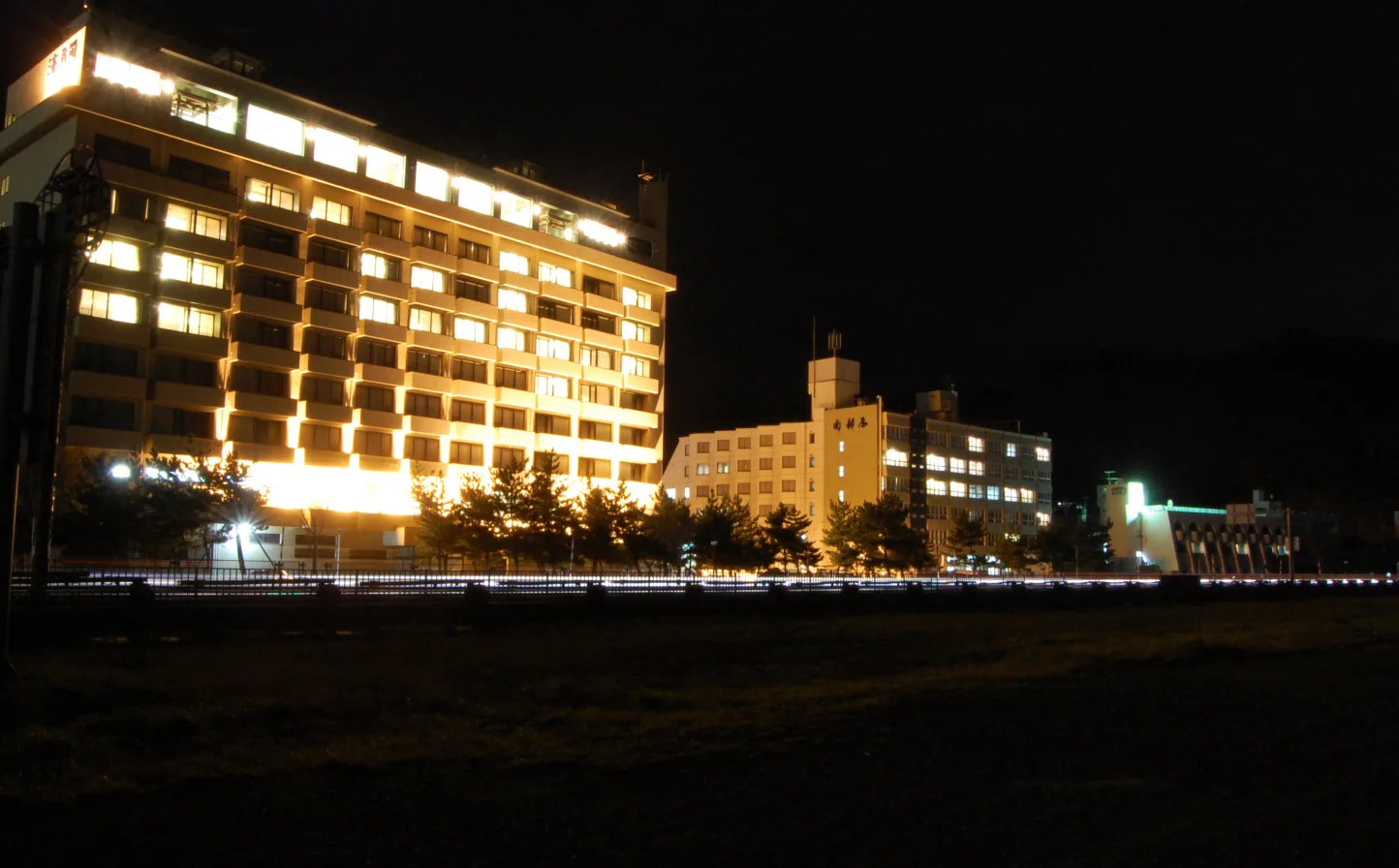
Choose by the stay you want. Kaisen-kaku puts the bay bath and evening program inside a large station-side hotel; Tsubakikan and Yanagi-no-Yu are smaller and garden-centred. Akitaya has seasonal family baths, while Sakura Kanko Hotel lists sea views from every room.
All eight inns differ in room access, station pickup and what “private bath” means on the booking you select.
| Inn | What sets it apart | Check before reserving |
|---|---|---|
| Nambuya Kaisen-kaku | 88-room hotel; ninth-floor bay baths and nightly Tsugaru shamisen listing | Bay-side room category; tattoos are not allowed in the public bath; no day use |
| Tsubakikan | Garden setting, nine in-house spring sources and sauna | Bath areas switch by gender; day-use bathing stopped in April 2026; arrange station pickup |
| Tatsumikan | 26 rooms, all listed with bay-and-island views; public bath also takes day visitors | Main-building rooms are upstairs without an elevator; phone to confirm day-use access |
| Yadoya Tsubaki | Three private-bath choices, including a small overnight bath used when vacant | Daytime use is by a reserved private-bath session; the free overnight bath is not guaranteed vacant |
| Ryokan Ogawa | Four-room small inn, seasonal local cooking and source-fed bath | No elevator; ask about the room route and station pickup |
| Yanagi-no-Yu | Historic inn with two bath areas and rotating gender access | Public-bath periods are gender-switched; room assignment and view vary by plan |
| Hotel Akitaya | Shallow outdoor family baths and baby-bath accessories | Family baths are seasonal, generally May–October; confirm dates and reservation slots |
| Asamushi Sakura Kanko Hotel | 46 rooms listed as ocean-facing, directly beside the shore | Longer station walk; ask about pickup and the specific room layout |
Station-side inns are easiest for a short rail stay
Aoimori Railway takes roughly 20–25 minutes between Aomori and Asamushi-Onsen. Kaisen-kaku is about 140 metres from the station, and Tatsumikan is a short walk away. Yadoya Tsubaki is also close to the station street. With a late arrival, winter luggage or a child who tires quickly, those distances remove some friction.
Tsubakikan sits farther from the station-side street in a quieter garden setting and offers pickup by arrangement. Ryokan Ogawa is about a five-minute walk from the station and can collect guests in a small car when requested. Akitaya and Sakura Kanko Hotel are both reachable on foot; Akitaya can arrange a station pickup with advance contact. Confirm the meeting point and return service with either inn rather than assuming an unscheduled shuttle.
The last part of the walk matters in snow or rain. A short walk on a map can feel longer with a suitcase, and a pickup may need to be arranged before arrival. Check the current rail timetable in both directions, especially if you plan dinner outside the inn or a late check-in. For transport details, see the Asamushi day-trip guide and Asamushi without-car comparison.
Decide whether the bath is private, shared or seasonal
For an elevated view, Kaisen-kaku’s ninth-floor indoor and open-air baths face Mutsu Bay. Its bath schedule runs in the afternoon/evening and again in the morning. The hotel does not offer day-bath entry, general-use private baths or a sauna. Five room categories have a private open-air bath; the reservation must name that room feature. Its public bath does not admit guests with tattoos.
Tsubakikan’s appeal is the garden and the water rather than a panorama. The current operator page describes nine in-house spring sources, an outdoor bath, indoor pools and a hinoki sauna. Its bathing rooms switch by gender, so check the schedule. Tsubakikan stopped accepting day-use bathing on April 11, 2026; older day-bath references are no longer a basis for a visit.
Yadoya Tsubaki is the clearest property to ask about if bathing together matters. One small outdoor bath is free for overnight guests when vacant and is not reservable; two other baths are bookable for separate terms. Day visitors can reserve a 50-minute private session starting around midday, subject to the operator’s current schedule. Confirm the bath, time and total charge directly.
Hotel Akitaya offers two shallow outdoor family baths, generally from May through October. The hotel says dates can shift with temperature; sessions last an hour and require advance reservation. Baby mats and bath chairs are also available. If these pools determine your booking, ask whether your dates are in season and whether another family shares the session.
Yanagi-no-Yu has two bath areas with male and female access switching over set periods. Its official page describes a source-fed spring and a historic timber bath. The schedule affects when each person can use a particular bath; it is not a couple’s private-bath arrangement. Ask for the current bath timetable and whether your assigned room has a bath.
Room layout and dinner can matter more than the view
Sakura Kanko Hotel is the most straightforward choice if you want the room itself to face the sea: its current room page lists all 46 rooms as ocean-facing. Layouts range from Japanese-style rooms to Japanese-Western rooms with beds; check the room category and sleeping arrangement. It sits directly along the shoreline and is farther from the station than the central inns.
Tatsumikan also says every room faces Mutsu Bay and Yuno Island, but bathroom facilities vary. Its 26 rooms include 8- and 10-tatami layouts. The older main building has all rooms on the second floor and no elevator; meals there are served in a dining area. Confirm if you need a private toilet, shower or a step-free route.
Ryokan Ogawa has only four guest rooms and a small-group atmosphere. Its operator highlights local seafood and a source-fed bath, but the property has no elevator. Ask which floor and room arrangement you will receive if stairs are difficult. Its small scale is a fit for travellers who want a meal-and-bath stay in one place, not for anyone looking for a large shared facility.
Dinner formats differ. Kaisen-kaku offers a chef-led buffet and kaiseki by plan, with a nightly shamisen performance listed by the hotel; its special Nebuta program requires a particular package. Akitaya’s creative buffet is easier for groups with different appetites. Tatsumikan directs guests in its main building to a dining area. Ogawa and Tsubakikan focus on regional meals, but the exact menu follows the booked plan. Check what is included, where it is served and when dinner starts before comparing room-only and two-meal rates.
All room prices change by date, occupancy and meal plan. Compare the total for the same night and party size; include pickup, dinner, private-bath fees and cancellation terms. An ocean-view promise is not equivalent to a private spring bath, and a family-pool booking is not guaranteed outside the stated season.
Three useful shortlists
For a first rail stay with a bay bath, compare Kaisen-kaku and Akitaya, Kaisen-kaku and Tatsumikan or Kaisen-kaku and Tsubakikan. If a consistent sea-facing room matters most, see Akitaya versus Sakura Kanko Hotel.
For smaller inns and bathing arrangements, compare Yadoya Tsubaki with Ryokan Ogawa and Yanagi-no-Yu with Tsubakikan. The Asamushi day-use bath guide lists current outside-visitor options. If you are deciding between a coast-and-rail stay and a mountain onsen base, use Asamushi versus Hakkoda, Hakkoda’s day-use baths and the Hakkoda onsen overview.
