Higashi-Naruko Toji or a Two-Meal Ryokan Stay?
Toji means a shared kitchen; meal plans cover dinner and breakfast. See details.
Choose a two-meal plan for a one-night stop when you want dinner and breakfast handled at the inn. A self-catering toji stay makes more sense when you have time to shop, use a shared kitchen and settle into a slower rhythm. The distinction changes how the whole day works: what time you arrive, where you get food and whether a minimum-stay rule applies.
“Toji” refers to a traditional hot-spring retreat, but the label alone does not tell you what a modern booking plan includes. Some Higashi-Naruko inns list self-catering rooms; others offer meal plans, and some have both. Confirm the exact room plan with the property before comparing prices.
| Choose a two-meal plan if… | Choose self-catering toji if… |
|---|---|
| You are staying one night and do not want to shop after arrival | You have at least a full day to settle in |
| Dinner timing and breakfast are more important than cooking | Your inn confirms the kitchen, cookware and meal rules |
| You have a late or tiring transfer before check-in | You are comfortable sourcing food before or during the stay |
| A fixed schedule helps your group | You want a more flexible day around bathing and rest |
What the meal plan actually removes
A standard two-meal stay includes dinner and breakfast, though the exact menu, seating time and service style depend on the inn and room plan. It takes one logistical task off your hands: you do not need to find a grocery shop, carry ingredients back or clean a shared kitchen after dinner. That can matter after a long train ride, especially if you reach Higashi-Naruko close to the evening meal window.
Ryokan Nanbuya currently lists a one-night, two-meal standard plan alongside a separate toji plan. Other properties make their own arrangements. Check dinner start times, whether late arrival is possible and what happens if you miss service; an included meal is not useful if the train connection leaves too little room to reach it.
The trade-off is less freedom. Dinner is served at a set time, and some plans expect guests to be back at the inn by then. If you want to stay out longer, ask whether the property offers a room-only or breakfast-only option instead of assuming you can simply skip dinner.
Self-catering needs more than a low room rate
At Ryokan Onuma, the official toji page describes shared kitchens in its separate Toji Building. The kitchens have different setups: one uses IH, another has a gas range, and both include basic cooking equipment. The inn says guests can bring specialty utensils or tableware they prefer. That is more specific than a generic “kitchen available” label, but it still applies to that property, not every Higashi-Naruko inn.
Onuma’s food-shopping guidance lists Super Maruka about an 11-minute walk away for produce, with another store around a 10-minute walk. The trip back with groceries is a real part of the plan. If you are arriving by train, carrying heavy bags or travelling in bad weather, pick up ingredients in Furukawa or Naruko Onsen before the final leg, or ask the inn whether it can help with transport. Do not count on a late-night supermarket near the room.
The Naruko Onsenkyo Tourism Association’s Higashi-Naruko directory lists self-catering plans at several properties and shows different minimum stays. For example, its current table lists a two-night minimum for Onuma’s toji rate and three nights for Fujishima’s. Those terms are property-specific, and the association warns that prices and operating details may change. Verify the minimum, linen charges, heating, cleaning, kitchen access and cancellation terms on the actual reservation page.
Some toji rooms include fewer amenities than a full-service ryokan room. Onuma says its self-catering guests receive a face towel and toothbrush, while other amenities may cost extra; linens may also be charged when changed. Bring toiletries and check what is included rather than assuming the room follows the inn’s standard plan.
One night is a tight fit for cooking
With one night, the outline is usually arrival, bath, dinner, sleep and breakfast. Shopping and cooking can consume the part of the day you hoped to spend soaking, particularly if you reach town after stores close. Self-catering still works for one night if food is arranged beforehand, the inn confirms the plan and you already know how the kitchen works. Otherwise, a meal plan keeps the evening simpler.
Two nights create a more natural toji stay. You can arrive without rushing to cook, use the first evening to get oriented and leave the next day open for a bath, rest and a simple meal. Three nights or longer suits guests who want the inn and hot springs to set the pace rather than treating Higashi-Naruko as a brief stop between sightseeing bases.
Neither length guarantees a particular medical benefit. Treat toji as a way to spend time at a hot-spring inn, not as a substitute for medical advice or treatment. Check with a clinician if you have health concerns about bathing, and follow the facility’s posted guidance.
Add the local costs before you book
The room rate is only one part of a self-catering total. Ask whether the kitchen is shared, whether fuel or cooking supplies cost extra, how linens are handled, and whether there is a fee for heating or waste disposal. For a two-meal plan, check the meal supplement, children’s pricing and any charge for dietary requests. The association’s directory is useful for finding properties, but it is not a live quote.
Miyagi Prefecture began collecting accommodation tax on January 13, 2026. The tax is ¥300 per person per night when the taxable room-only amount, before tax and excluding meals, reaches ¥6,000; stays below that threshold are exempt. The lodging calculates the taxable amount, so confirm how it applies to your selected plan at checkout.
The Naruko bath-hopping ticket is not currently being sold. Tickets bought before the suspension remain valid only through their six-month validity period; cash admission at participating baths continues. Check each inn’s day-use terms separately, since self-catering guests and overnight guests do not necessarily have the same access rules.
A quick booking check
Before paying, ask the inn to confirm the exact plan name, minimum stay, kitchen and cookware, meal service times, included amenities, extra charges and cancellation conditions. If you need a pickup from the station, reserve it at the same time. Higashi-Naruko is a compact district around Naruko-Gotenyu Station, but the location of each inn still matters when you have luggage or a timed dinner.
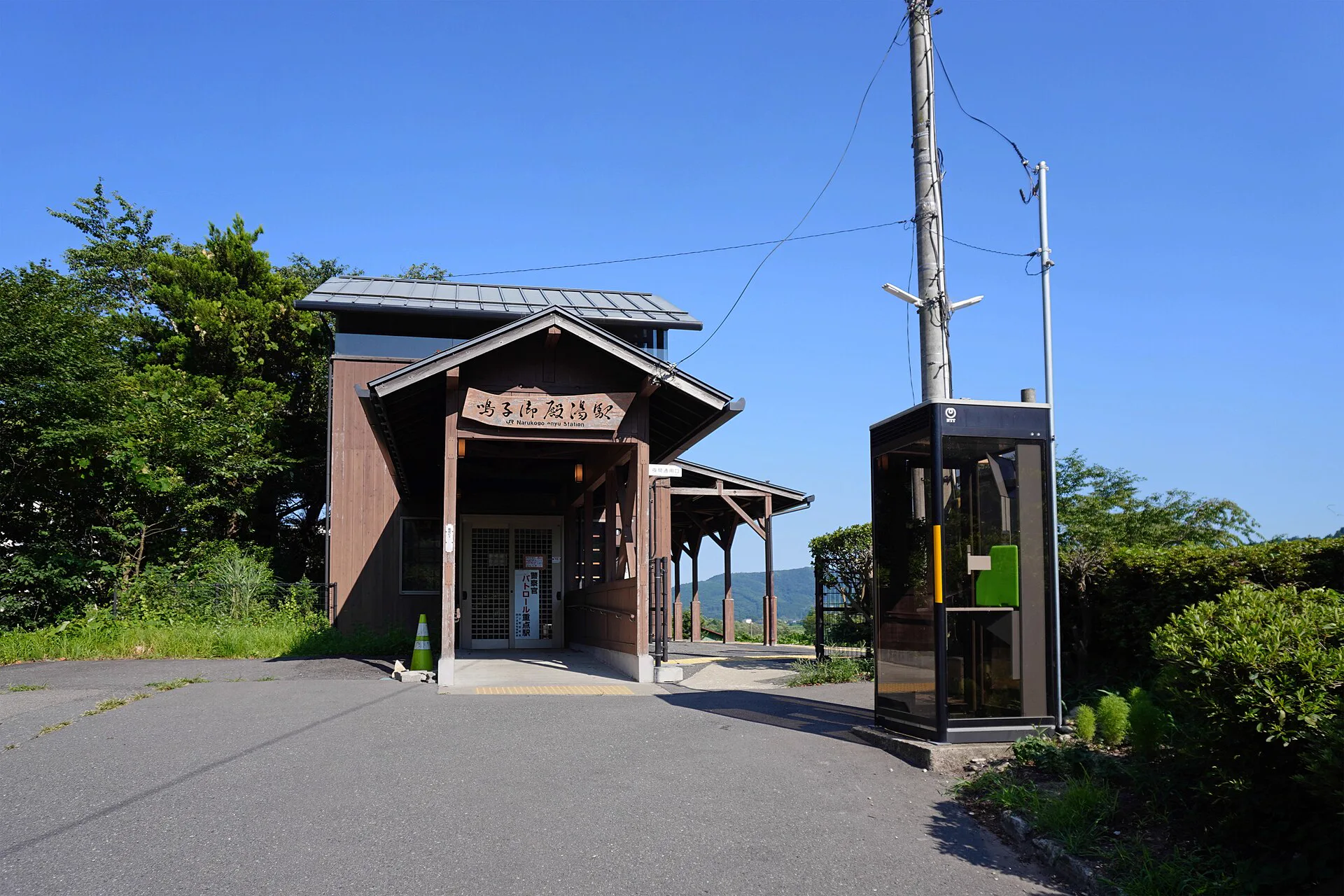
For the station-to-inn difference across the wider area, see the Higashi-Naruko and Kawatabi comparison. The Naruko accommodation-area guide compares the other districts, while the day-bath guide explains which public baths suit a short visit. If your group includes a child or an older traveller, check the Naruko mobility guide before choosing an inn.
For a slower seasonal trip, compare the Naruko autumn stay bases or the Naruko winter onsen guide. The morning and evening bathing guide helps fit a soak around train arrivals and dinner. If you plan to reach Nakayamadaira without a car, check the bus and walking route before booking a tight schedule.
Sources
- [Naruko Onsenkyo Tourism Association: Higashi-Naruko lodging and toji-plan list](https://www.naruko.gr.jp/%E5%AE%BF%E6%B3%8A%E6%96%BD%E8%A8%AD/%E5%AE%BF%E6%B3%8A%E6%96%BD%E8%A8%AD-%E6%9D%B1%E9%B3%B4%E5%AD%90%E6%B8%A9%E6%B3%89/) - [Ryokan Onuma: current toji kitchens, food shopping and included items](https://www.ohnuma.co.jp/touji/stay.php) - [Ryokan Onuma: frequently asked questions and amenities](https://www.ohnuma.co.jp/contact/) - [Ryokan Nanbuya: current accommodation plans](https://www.nanbuya.jp/plan) - [Miyagi Prefecture: accommodation tax and threshold](https://www.pref.miyagi.jp/site/shukuhakuzei/index.html) - [Naruko Onsenkyo Tourism Association: bath-hopping ticket suspension](https://www.naruko.gr.jp/%E6%B9%AF%E3%82%81%E3%81%90%E3%82%8A%E3%83%81%E3%82%B1%E3%83%83%E3%83%88%E8%B2%A9%E5%A3%B2%E4%BC%91%E6%AD%A2%E3%81%AE%E3%81%8A%E7%9F%A5%E3%82%89%E3%81%9B/)Checked: October 24, 2026.
