Higashi-Naruko or Kawatabi Onsen? Choosing a Base in Naruko
Compare Higashi-Naruko and Kawatabi by station access, day-use bathing, spring variety, rural stays and the extra transfer needed without a car.
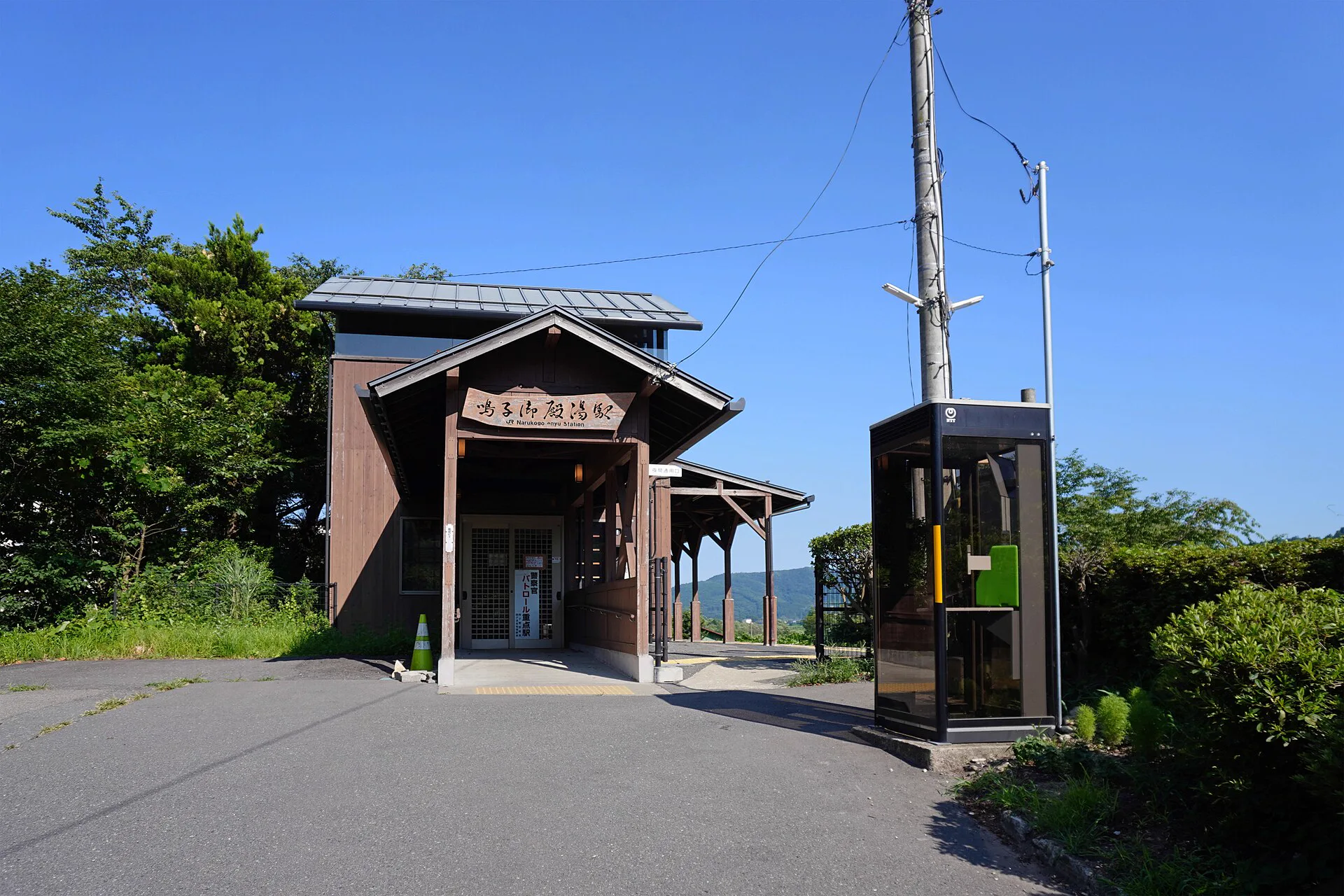
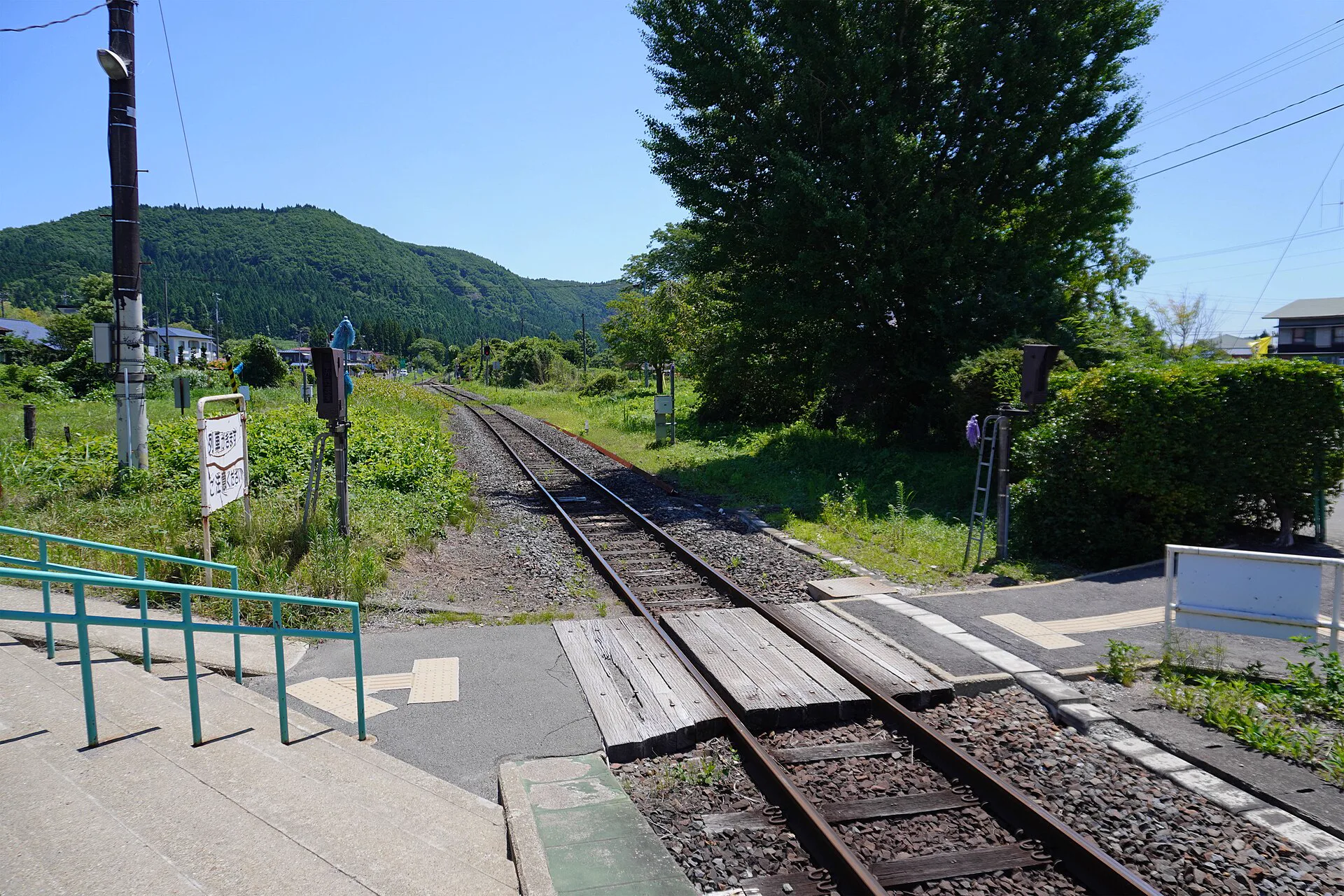
Both areas sit east of Naruko Onsen on the Riku-East Line, but they feel different once you get off the train. Higashi-Naruko’s station is beside a short strip of inns. At Kawatabi, the station and hot-spring district are separate: Miyagi’s tourism office estimates about a 25-minute walk or a five-minute drive to the hot-spring area. That last leg can decide the trip if you have luggage, are travelling in bad weather or expect to move between baths.
Choose Higashi-Naruko for easy station access and bath-hopping
Naruko-Goten-yu Station sits right by Higashi-Naruko. The tourism association describes the hot-spring street as about 300 metres long, with its inns concentrated in a small area. That makes the district easier to navigate on foot after arriving by train, and less awkward if you want to check whether another inn is accepting day bathers.
The accommodation listings show why people choose it for the baths themselves: several inns have multiple spring sources, and some list two or three. The water is not identical from property to property, so this is the more natural base if you want to stay in one compact district and take time with its bathing options. Day-use entry is property-specific, though; check hours and access before walking over.
Pick Kawatabi when the inn and setting matter more than moving around
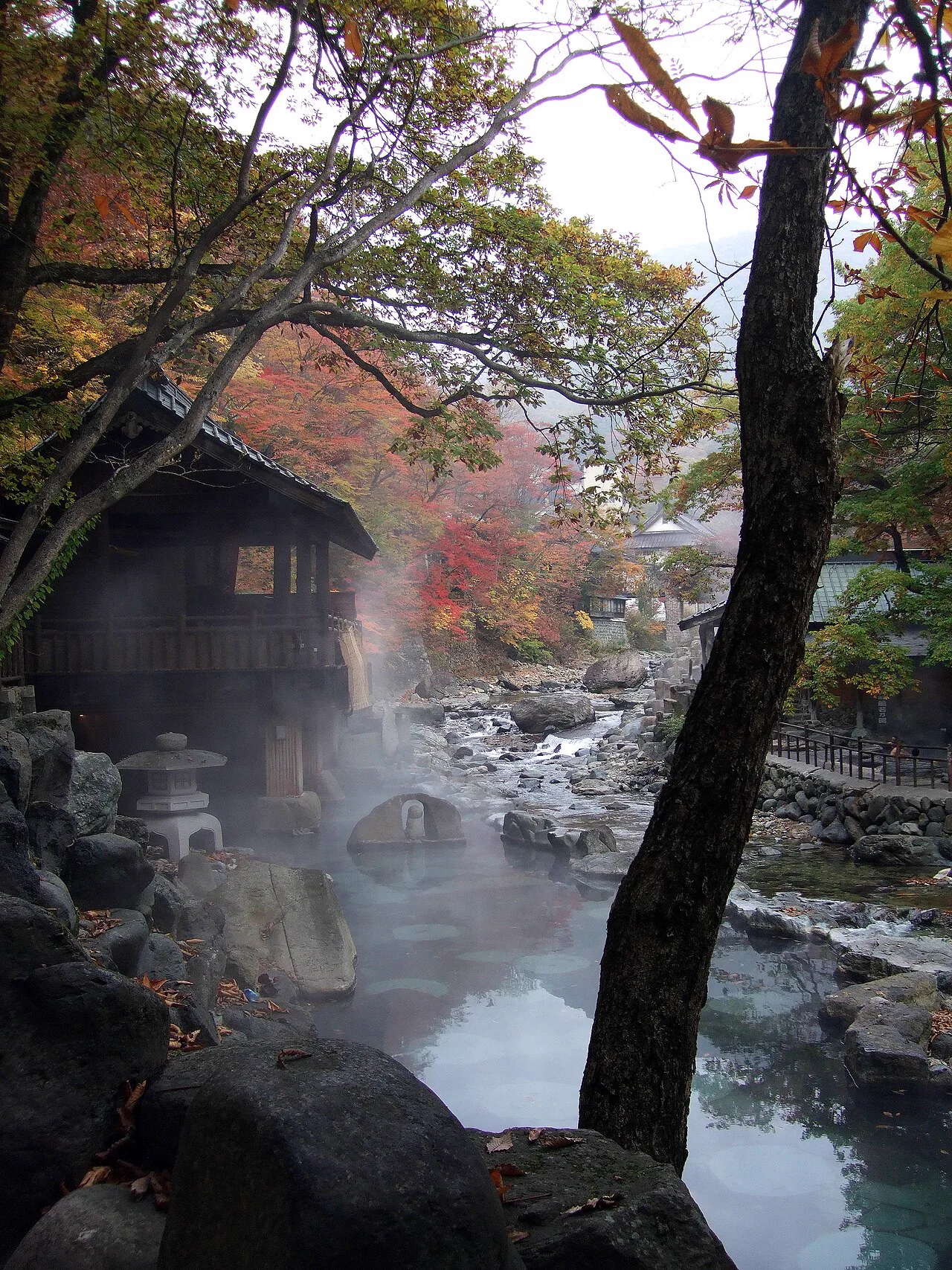
Kawatabi has a quieter, more rural feel, with the Yuzawa River and fields around the hot-spring district. The prefectural tourism listing describes a 25-minute walk from Kawatabi-Onsen Station, or about five minutes by car. That estimate is useful for planning, but it is still a walk with luggage—not a station-front inn area. Ask your lodging whether it offers pickup, and confirm the arrangement before arrival.
The accommodation list includes traditional wooden buildings and a few self-catering toji options. Several inns are set up for an overnight where dinner, the bath and the surrounding area are part of the stay; the district is less convenient for quickly trying several properties. Spring types vary here too, so “Kawatabi water” does not mean every bath has the same source.
The rail line is not the same as the western Naruko bus section
JR East currently lists the Riku-East Line section between Naruko Onsen and Shinjō as suspended after the July 2024 heavy rain, with replacement buses operating there. Higashi-Naruko and Kawatabi are on the other side of Naruko Onsen, toward Furukawa and Kogota; do not confuse their access with the suspended western section. Trains serve the eastern segment, but check your travel date for service changes or disruptions.
Once there, the station-to-inn difference remains important. Higashi-Naruko is the simpler choice if you want to arrive, leave your bag and get to the bath on foot. Kawatabi asks for more planning at the final leg, then rewards a trip built around one place rather than several quick stops.
A half-day visit favours Higashi-Naruko; an overnight can suit either
If you have only a few hours, Higashi-Naruko is easier to treat as a pick-one-or-two-baths visit. There is less local travel to account for, though opening times and day-use acceptance still vary by inn.
Kawatabi works better when one bath or one inn is the point of the outing. For a day visit, factor in how you will reach the hot-spring area and return to the station; the 25-minute walk each way can crowd out a second stop. With an overnight, that transfer happens once on arrival and once at departure, so the slower setting may be worth it.
For cooking, minimum nights and meal plans, see the separate guide to Higashi-Naruko toji and two-meal stays. The comparison here covers Higashi-Naruko and Kawatabi only; the other Naruko districts have different access and lodging options.
For travellers with limited mobility, small children or tattoos, ask each inn about the exact bath and route before booking. A town-wide reputation for multiple spring types does not tell you whether a particular bath is step-free, suitable for your group or open to tattooed guests.