Ikaho with Children or Older Travellers: Plan Around the Hillside
Plan Ikaho around its 365 stone steps, bus limits and bath access, with route notes for children, seniors and wheelchair users.
Ikaho’s central street climbs through 365 stone steps. The Town Bus and ropeway can shorten some uphill stretches, but neither makes every route step-free. Visitors using a wheelchair should confirm the vehicle and destination access in advance; other groups can make the day easier by choosing one main walk and leaving time for the return.
Start with the route someone can manage—not their age
Mobility varies more than age suggests. Someone who is comfortable on stairs may manage Ishidangai at an easy pace, while a younger visitor with knee pain may find the descent harder than the climb. A toddler who can walk still needs breaks; a stroller helps on suitable streets but does not solve the central stairway.
The stone steps are the town’s signature, not a required entrance. Families can browse a short lower section and turn back. Anyone who finds uneven or wet steps tiring should avoid treating all 365 as one continuous walk. Rain, winter ice and the tired legs that follow a soak can change the same route substantially.
For wheelchair users or anyone who needs assistance throughout a transfer, use Shibukawa City’s 2026 accessibility map before choosing a route. It includes gradients for roads and facilities, accessible toilets, parking and public-transport information. The city describes it as a route-planning map informed by field checks with disabled people and support staff. It is a useful starting point, not a guarantee that every attraction, bath or inn is step-free.
The Town Bus helps with distance, but not wheelchair boarding
Town Bus No. 1 serves the hot-spring district, including Yumoto.
| Passenger | One-way fare |
|---|---|
| Adult | ¥200 (about HK$10 / NT$41) |
| Elementary-school child | Half the adult fare |
| Younger child | Free |
The bus has an auxiliary step, but Shibukawa City says wheelchairs cannot board. If your group needs wheelchair access, arrange another way to travel rather than relying on this route.
For visitors who can board, Yumoto is the useful stop for the upper spring-source area. Shibukawa City puts the Ikaho Open-Air Bath about a three-minute walk from there. By contrast, the city lists an 18-minute walk from the main Ikaho Onsen bus stop and 20 minutes from Ikaho Bus Terminal. Those are walking estimates, not accessible-route promises; the climb and surface matter as much as the distance.
The timetable currently linked by the city is dated 1 April 2024. At Yumoto, it shows an 80-minute gap between the 12:21 p.m. and 1:41 p.m. buses. Check the date-specific service before setting out, and plan around the return trip. The published guidance does not say whether folded strollers can board, so ask the operator if that matters to your group.
Ropeway: four minutes uphill, with a separate access check
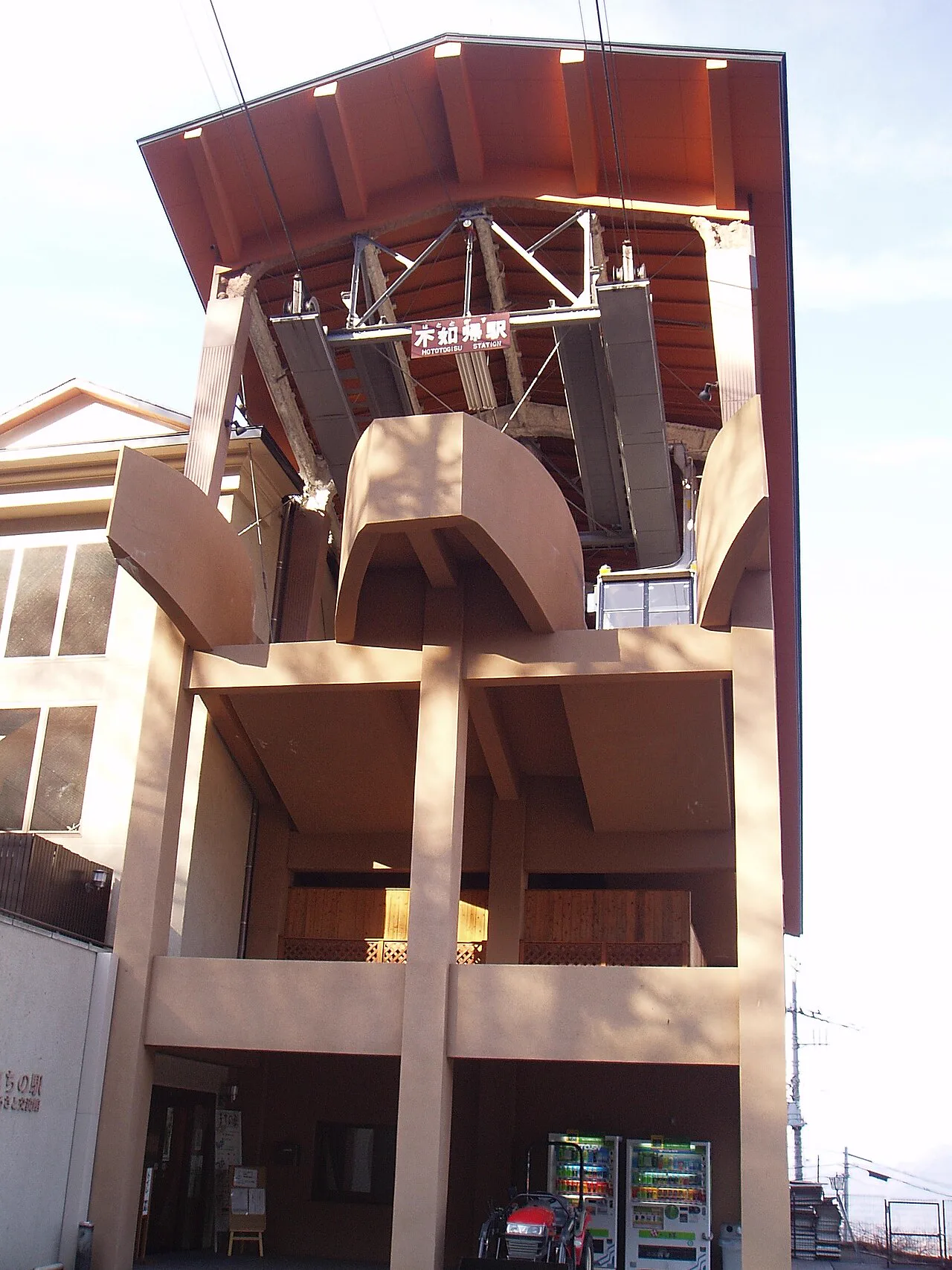
The municipal ropeway takes about four minutes from Hototogisu Station to Miharashi Station, which sits at 955 metres. Its posted schedule and round-trip fares are:
| Detail | Current listing |
|---|---|
| Hours | 9 a.m.–5 p.m.; last uphill car at 4:45 p.m. |
| Usual interval | Every 15 minutes, except at 12:15 p.m. |
| Adult return fare | ¥830 (about HK$42 / NT$171) |
| Child return fare | ¥410 (about HK$21 / NT$84) for the elementary-school-and-under category |
| Free travel | Under-one children ride free; under-six children may ride free with one paying adult, limited to one child per adult |
The ropeway replaces one uphill ride, not the paths to either station or onward to every attraction. Shibukawa City lists reduced fares for eligible disabled passengers and one companion, but does not confirm that every wheelchair can board or move through both stations. Contact the ropeway with your chair dimensions and transfer needs before building the route around it. Check the city’s maintenance notice before departure.
Pick a bath by the approach and the washing facilities
Ishidan-no-Yu is on the stone-step street. It opens 10 a.m.–8 p.m., with last entry at 7:30 p.m. Regular closing days are the second and fourth Tuesday of each month, moving to the next day when a holiday falls then; inspection closures are also possible.
| Visitor | Admission |
|---|---|
| Adult | ¥800 (about HK$40 / NT$165) |
| Child, visitor aged 65 or older, or eligible disabled visitor | ¥400 (about HK$20 / NT$82) |
| Preschool child | Free |
Bring government-issued proof to claim a reduced fare.
Reaching the bath still involves the hillside street. The city’s admission listing does not confirm accessible changing facilities, rails or transfer assistance.
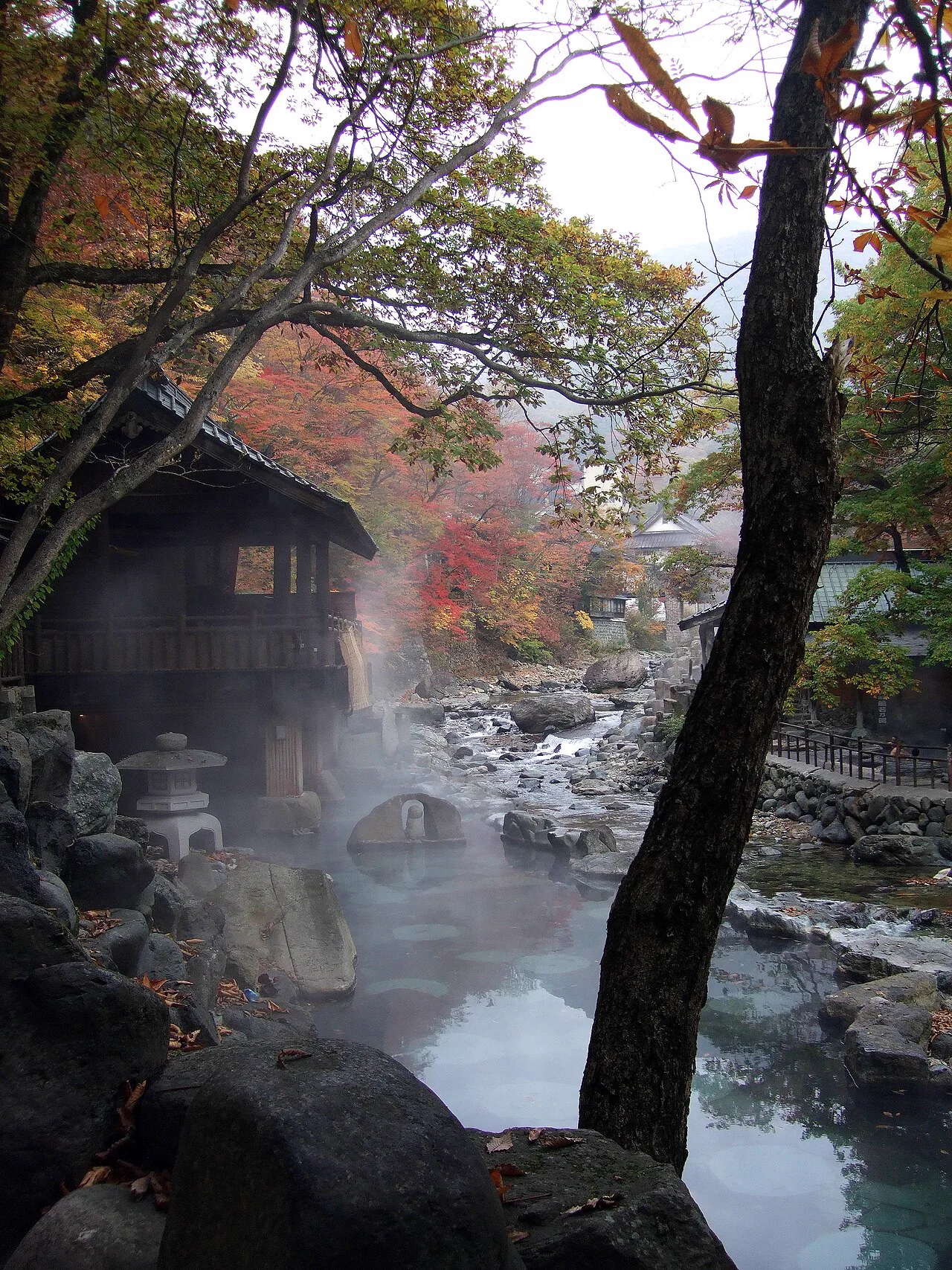
Ikaho Open-Air Bath is closer to the Yumoto source area, but has no washing area. Its short approach from Yumoto is the easiest published route, though official access details do not establish a step-free path or accessible bathing setup.
| Detail | April–September | October–March |
|---|---|---|
| Opening hours | 9 a.m.–6 p.m. | 10 a.m.–6 p.m. |
| Adult admission | ¥600 (about HK$30 / NT$124) | ¥600 (about HK$30 / NT$124) |
| Child admission | ¥300 (about HK$15 / NT$62) | ¥300 (about HK$15 / NT$62) |
Last entry is 30 minutes before closing. The bath normally closes on the first and third Thursday of each month, unless a closure day is a holiday. Infants under one cannot bathe.
If you need a seated shower, transfer space, a handrail or a private bath, ask the facility about that specific feature before visiting. Reduced admission for older guests does not indicate accessible bathing, and an outdoor bath may still have steps or an uneven approach. The Ikaho day-use bath guide covers private options; ask an inn about the route to your room and bath, not just the lobby.
Ask the inn about the room, not just the hotel entrance
Ikaho’s municipal accessibility map covers public routes and selected visitor facilities, not the room-by-room layout of every ryokan. It does not provide a town-wide room-access directory, so ask the property about the exact room you would receive before paying:
- Is there a lift from the entrance to that room, dining room and bath floor? Are there any steps after leaving the lift?
- Does the bedroom have western beds, and is there enough space beside one for a wheelchair or caregiver?
- Is there a threshold into the bathroom? Can the toilet and bathing area be used with the mobility aid or assistance you need?
- Can the vehicle stop near a level entrance, and will staff help with luggage or transfers?
Ask for a description or photos if the answers are unclear. “Accessible” can refer to a lobby, a toilet or one part of the building, not necessarily the guest room and bath route together. This Ikaho stay-area guide explains why two inns that look close on a map can involve very different climbs with luggage.
Keep the day to one demanding outing
Choose the part of Ikaho that matters most to your group, then build around it:
- A short stone-step visit: explore a manageable section, stop for a snack, and skip the upper spring-source walk.
- Kajika Bridge and Yumoto: take Town Bus No. 1 if everyone can board and the timetable fits; check the return departure before walking on.
- A viewpoint: use the ropeway for the ride itself, then confirm the station and viewpoint route if anyone has limited mobility.
- Bathing: choose the facility only after checking its approach and the changing or washing setup your party needs.
An overnight stay can remove the pressure to fit every stop between bus connections. The one-night Ikaho itinerary gives a walking order, while the car-free half-day route helps compare it with a shorter visit. For the larger day-trip-versus-stay decision, see whether to stay overnight in Ikaho.
If a wheelchair user cannot board Town Bus No. 1 and the ropeway has not confirmed a suitable boarding plan, Ikaho’s steep core is not a good place to leave access decisions until arrival. Keep the itinerary to routes and facilities that have confirmed the needed access, or choose a different hot-spring base. For families using a stroller or older relatives who can walk but need frequent rests, a partial stone-step visit and one well-chosen bath may be enough.
Match the plan to your group
- Toddler and stroller: use suitable lower paths. Plan where to park or fold the stroller before the stone stairs.
- School-age children: choose either the stone-step walk or the ropeway and viewpoint as the main outing. Both plus several baths may be too much for one day.
- An older traveller who walks independently but slowly: use the bus only if boarding and return times work. Build in rests and avoid scheduling a bath right after the steepest walk.
- Wheelchair user or someone needing transfer assistance: confirm the vehicle, stop, route surface and bath setup in advance. Wheelchairs cannot board Town Bus No. 1; a reduced ropeway fare does not confirm that a particular chair can be accommodated.
Rain, icy steps and the walk after bathing all change the effort involved. Wet stone is harder to manage than a dry-day map suggests, and tired legs can make the same descent less comfortable. On a poor-weather day, keep the route short and choose a bath only after confirming its entrance and changing facilities; for a winter visit, check road and step conditions close to departure.
Sources and access checks
- [Shibukawa City accessibility map](https://www.city.shibukawa.lg.jp/kankou-site/shisei/000259/000265/p008884.html) (updated April 9, 2026) - [Shibukawa City Town Bus No. 1](https://www.city.shibukawa.lg.jp/kurashi/000054/000055/p010842.html) (timetable dated April 1, 2024) - [Shibukawa City Ikaho Ropeway](https://www.city.shibukawa.lg.jp/kankou-site/kankou/000357/000360/p000203.html) - [Shibukawa City Ikaho Open-Air Bath](https://www.city.shibukawa.lg.jp/kankou-site/kankou/000357/000361/p000219.html) - [Shibukawa City Ishidan-no-Yu](https://www.city.shibukawa.lg.jp/kankou-site/kankou/000357/000361/p003077.html) - [Ikaho stone steps: tourism association](https://ikaho-kankou.com/aboutikaho/ishidan/) - [Ikaho Open-Air Bath: tourism association](https://www.ikaho-kankou.com/spring/spa1/)Last verified: 2026-09-28