Private Room Bath or Shared Onsen at Kannon Onsen?
Compare Kannon Onsen room baths with shared facilities by privacy, bath variety, access and spring details. Check the exact room plan before booking.
Summary: A private bath is useful when your group wants to bathe on its own schedule; the shared facilities make more sense if you want a choice of different bathing areas. Kannon Onsen’s buildings do not all describe room baths in the same way, so match the feature to a specific room plan before booking.
Checked: September 27, 2026
What “private bath” means here
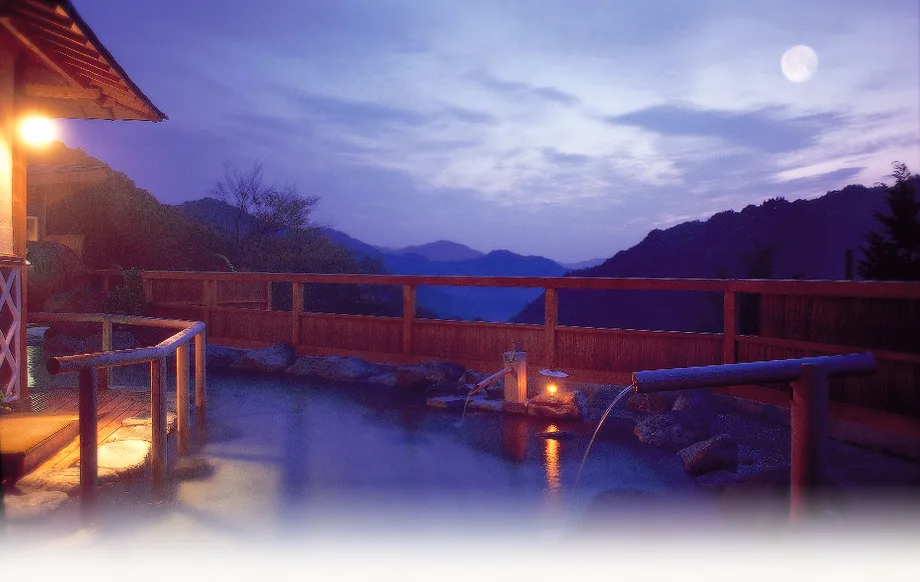
The official room pages list different arrangements across the property. The main building describes its standard rooms with a hinoki bath; Seiun-kan describes garden-facing hinoki baths supplied with the inn’s hot spring; Pygmalion says every room has a private open-air bath; Ubusunotei lists rooms with hinoki or open-air baths. Read the page for the exact building and room you are considering, especially if the booking site uses a broad room-category name.
A private room bath removes the need to coordinate with other guests and can suit families, couples, or anyone who prefers frequent short soaks. It does not automatically mean the room also includes access to every shared bath, so check the plan’s inclusions.
Shared facilities offer a different kind of choice
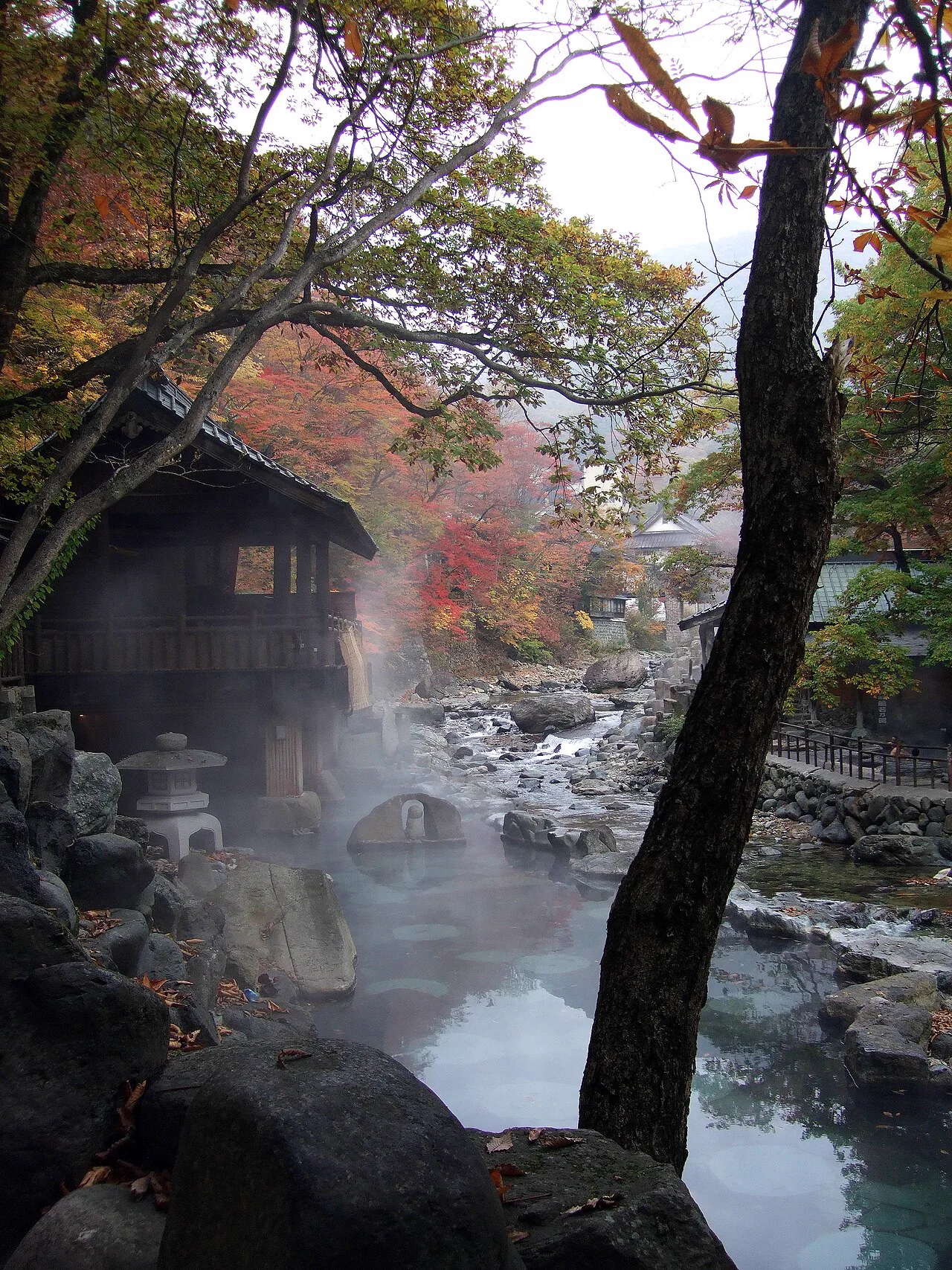
Galatea is the inn’s larger guest bathing complex. Its official description lists facilities such as a large hinoki bath, an open-air bath, sauna, waterfall bath and other bathing areas. The listed hours are for overnight guests, with a separate schedule for Ubusunotei stays. Kannon Principle is the facility listed for day use; it is a separate option, not a substitute for a private room bath.
Choose the shared baths when variety and the larger bathing spaces matter more than being alone. Pick a room with a private bath when timing, privacy or fewer trips between room and bath will make the stay easier. You can also combine them if your plan and energy allow, though there is no need to turn every available bath into a checklist.
Before paying for an upgrade, verify whether the room bath is hot-spring water, where it is located, and which shared baths are included. For day visitors, see the Kannon Onsen day-bath guide; guest access and day-use access are not interchangeable.
A scorecard for deciding what matters
This is an editorial comparison, not an official facility rating. The combination of room and shared baths scores well for both privacy and variety, but it also asks more of your time and budget. If you are staying for only one night, decide first whether you will realistically use both.
| Plan | Bath comfort | Variety | Upkeep impression | Setting | Quiet | Access | Overall fit |
|---|---|---|---|---|---|---|---|
| Room bath | 9.0 | 7.8 | 8.5 | 8.8 | 9.2 | 7.0 | 8.7 |
| Shared baths | 8.5 | 9.0 | 8.5 | 8.5 | 7.8 | 7.0 | 8.5 |
| Room and shared baths | 9.2 | 9.2 | 8.5 | 9.0 | 8.8 | 7.0 | 9.0 |
Kannon Onsen lists its source at 51°C and pH 9.5 and describes its spring as alkaline simple hot-spring water. Keep those source details separate from the temperature and feel of a particular bath: a source temperature is not the bathing temperature, and each room or shared facility has its own access conditions. Before booking, check four things on the exact plan: whether the bath is in the room, which shared baths are included, whether day use is permitted, and the current bathing hours.
Check the exact building, bath type and shared-facility access in the plan details.