Budgeting for Matsushima Onsen: What the Room Rate Leaves Out
Compare Matsushima room, meal and transport costs across stay and day-use plans.
I would compare Matsushima stays by the whole day they enable, not by a single nightly rate. A hilltop hotel can include dinner, breakfast and a long view from the property; a waterfront room may cost less to reach the cruise pier and temples from. A day visit avoids a room bill but makes the bath’s closing time and your Sendai return part of the calculation.
Build a like-for-like total
When you price an overnight, hold your travel dates and party size constant; then compare cancellation rules and included meals. Add rail fare, the final ride to the inn, drinks or meals outside the plan, and any bath admission billed separately. Rates move with room inventory, so a region-wide average would not tell you what your preferred dates cost.
| Stay style | Add these items to the room quote | What you are paying for |
|---|---|---|
| Taikanso on the hill | Rail, shuttle timing, meal plan, room side | On-site dining and a bay-facing public bath; sea-side rooms cost differently from mountain-side rooms |
| Waterfront or station-area inn | Walk or local ride, dinner out, luggage plan | Less backtracking between the pier, temples and restaurants |
| Day-use bath and Sendai return | Rail, bath admission, towel, meal, luggage storage | No overnight cost, with a tighter last-entry and train window |
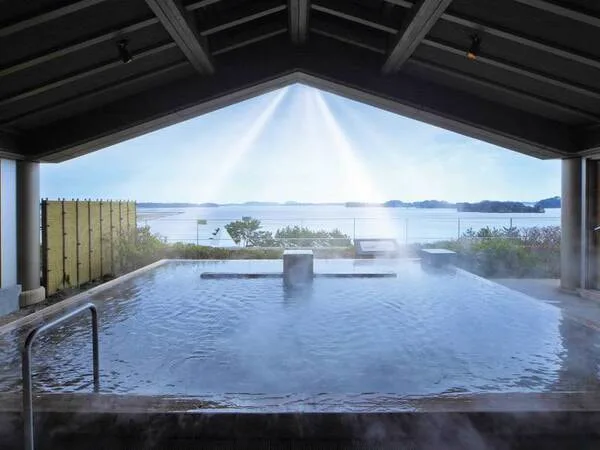
Taikanso’s public bath looks over Matsushima Bay, but the hotel identifies it as heated bath water rather than a natural hot spring. The site lists different room sides and the seventh-floor Shiunro, renewed in April 2026. Pay for a sea view only if your arrival and departure leave enough time to enjoy it from the room or bath.
Price the bath separately when bathing is the main event
Current published day-use prices vary by property. Taikanso includes a face towel with admission and charges extra for a bath towel; its entry window is shorter than a full sightseeing day. Basho no Yu uses natural spring water and sets separate weekday and weekend rates, with an evening discount on weekdays. It usually closes two days each week.
Zekkei no Yakata publishes its own fee and entry schedule, plus irregular closure notices. The day-bath comparison lays out the operator’s current terms; older association listings may not reflect the latest notice.
If you want one soak and a walk around the bay, day use can be enough. For dinner, a morning bath and a slower start, compare the day visit and overnight trade-off and the one-night itinerary. The day-trip itinerary places a bath alongside a cruise and temple visit.
A view has a cost in transport and time
Taikanso sits above the main waterfront zone. Its free shuttle serves both Matsushima rail stations and sightseeing stops on a published loop; the service is unreserved for small parties and has limited seats. A town-side stay can shorten walks to the pier, Godaido and the temple district. Matsushima Station and Matsushima-kaigan Station are on different JR lines, and the former is farther from the central sightseeing area on foot.
Families should price child meals, room capacity and the return walk after a long outing; the family stay comparison separates those questions. The no-car guide sets out the station and shuttle choices, while the seaside ryokan comparison contrasts a hilltop resort with a shoreline base. For a direct property decision, read Taikanso vs Zekkei no Yakata.
Season affects the value of the same room: a windy or rainy day may keep you indoors, while a clear evening makes a bay-facing window more useful. Check cruise service and seasonal walking conditions in the four-season itinerary. A room-only discount is not a saving if you then need an extra taxi and dinner out; put those in the same calculation before booking.
Include meals and local transport in each estimate before you choose.