A Seasonal Matsushima Plan: Choose Your Outdoor Window
Plan Matsushima by season: cruises, temple walks, garden colors and bath breaks.
Matsushima’s islands stay in place; your useful hours outdoors do not. Spring and autumn reward a slower garden visit, summer calls for an earlier stretch on the water, and winter makes the walk back from the bay feel longer after sunset. I plan one main outdoor activity, then keep the bath or indoor stop as a flexible second half.
| Season | Put outdoors first | Leave flexible |
|---|---|---|
| Spring | Temple garden or bay walk | Cruise timing and bloom dates |
| Summer | Cruise or exposed shoreline before the hottest hours | Indoor museum, lunch or hotel rest |
| Autumn | One foliage stop, then the bay | Return train and evening light |
| Winter | Short walk or cruise during the brightest part of the day | Bath, meal and weather buffer |
Spring: visit the garden on its own terms
Entsuin is known for its garden, while Zuiganji’s grounds and buildings take a separate block of time. They are close enough to combine, but don’t treat the walk between them as the whole visit. Matsushima’s tourism association highlights local cherry-blossom and autumn-leaf spots; bloom and color vary each year, so check its seasonal update before choosing a non-refundable date. A clear spring day can also bring more visitors to the central waterfront.
If you want a cruise, confirm departure times with the operator and leave the garden with a margin. The official cruise page describes the bay loop and departure area near Matsushima-kaigan Station. The Matsushima day-trip route helps place the boat around a temple visit.
Summer: boat first, shaded stop after
The bay is open to sun and wind. I’d take the cruise earlier when the timetable allows, carry water and save the hottest part of the afternoon for lunch or an indoor stop. Departure and route decisions can change with weather or sea conditions; confirm the operating notice on the day rather than using an old timetable.
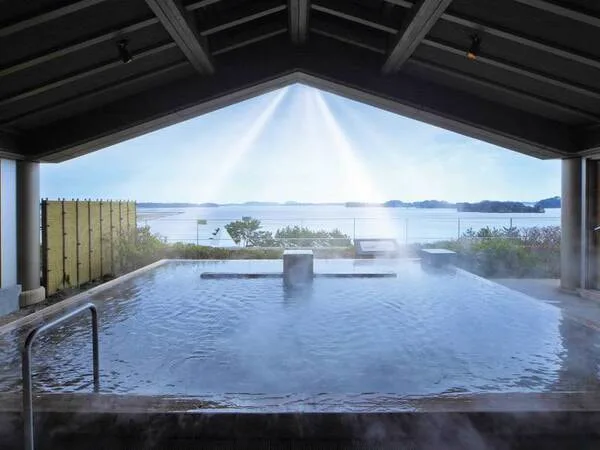
Taikanso’s hilltop position gives you a place to cool down after the waterfront, while a central inn reduces the ride back. Compare both settings in the seaside ryokan guide. The Taikanso vs Zekkei comparison also distinguishes the hotel’s heated public bath from Zekkei’s natural spring.
Autumn: take one foliage walk slowly
The tourism association lists spots such as Entsuin, Kanrantei and Tenrinin for autumn color. Pick the one you most want to see, then check the local status near your dates; an old peak-color estimate is not a promise. If the walkway is wet, allow more time around steps and stone paths, and leave the cruise as an optional extra rather than forcing both into a short afternoon.
For one night, the Matsushima itinerary leaves a morning slot for the bay. The family stay comparison pares the day back around children’s walking pace and bathing rules.
Winter: shorten the loop before the light goes
Keep a winter outing near the central area and check the cruise company’s same-day operation notice. A return train or shuttle is easier to manage when you leave a buffer, especially if wind interrupts boat service. The hotel bath can become the evening’s main activity without another trip across town.
Day-bath hours vary by operator: Taikanso’s public bath has a daytime window, Basho no Yu closes on regular weekdays, and Zekkei no Yakata posts irregular closure days. Confirm your exact date in the day-use comparison. For a no-car winter stay, see the station and shuttle guide and the day trip versus overnight comparison.
The stay-budget guide helps price a view against a town-side base. If room choice is the main decision, compare the Taikanso and Zekkei pages with the family guide for room capacity and child logistics.
Check the garden, cruise operation and bath calendar before choosing the order.
