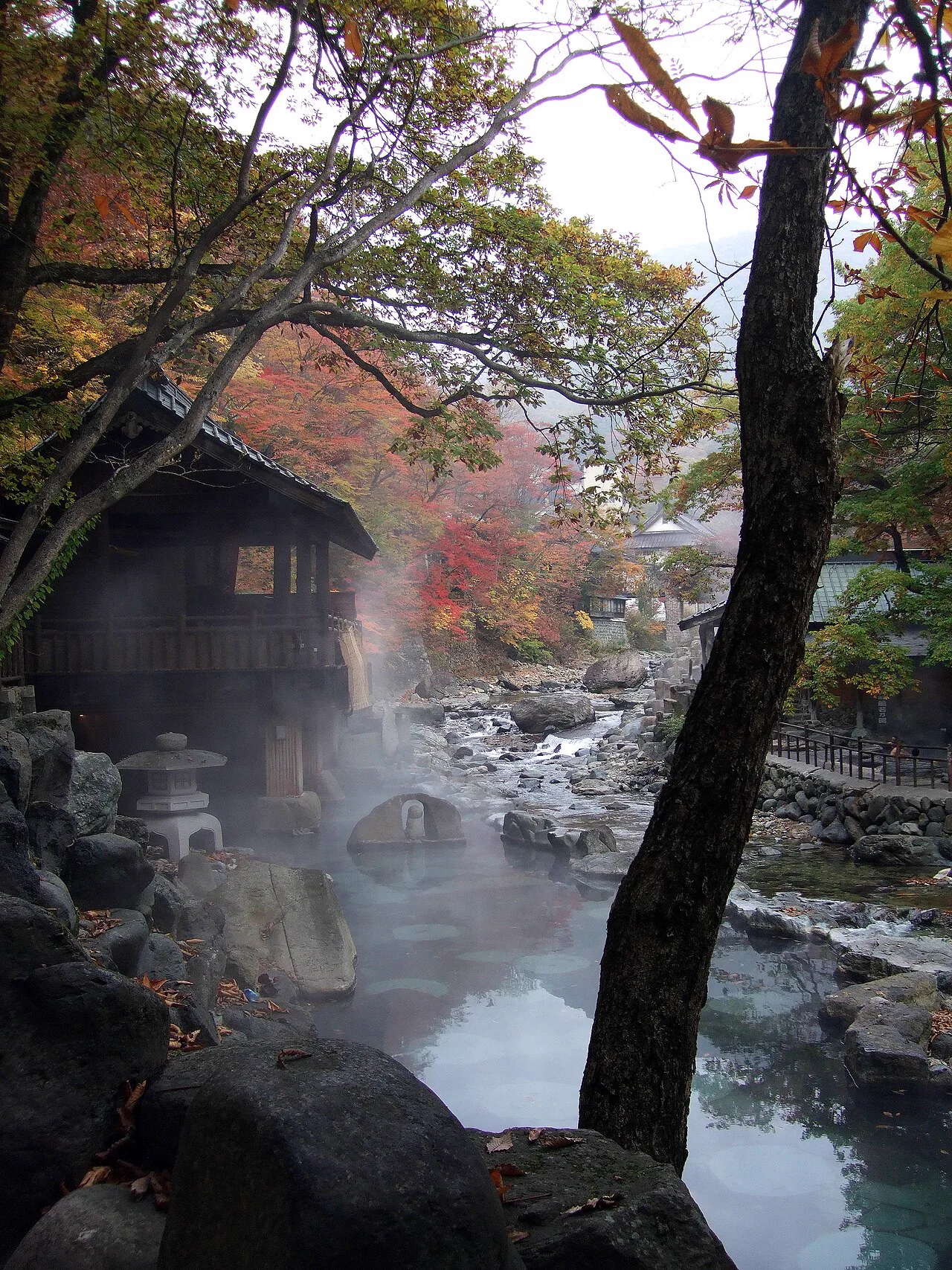
Naruko Onsen on a Rainy Day: What to Keep, What to Drop
Plan a rainy-day visit to Naruko Onsen by keeping stops near the station in light rain and dropping gorge or trail walks when conditions worsen.
Naruko is a group of five onsen districts, not one compact resort. That matters when rain sets in: Takinoyu and the station-area inns are close together, while Nakayamadaira and Onikobe need extra transport. A bath being indoors does not make the journey to it safe or dependable.
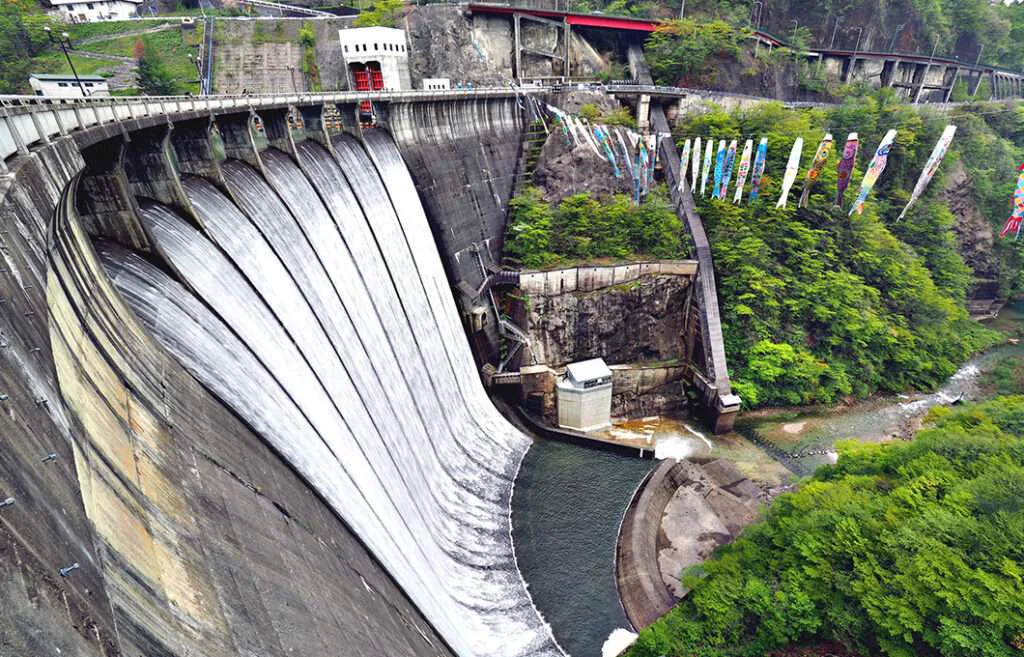
Light rain: stay around Naruko Onsen Station
If trains and roads are operating normally, a wet-weather visit can still work around the station. Takinoyu is a short walk from Naruko Onsen Station; Osaki City lists it as open 7:30 a.m.–9 p.m., with last admission at 8:30 p.m. Waseda Sazikiyu is another central option, but its opening status can change with maintenance, so check the city’s current notice rather than relying on its usual schedule. The Naruko day-use guide compares the central baths.
Keep the outdoor parts short and leave time to dry off before walking back. If you are staying in town, your inn’s bath and meal can carry the day without another cross-district trip; the Naruko stay-area guide helps you choose a base near the places you plan to use.
Steady rain: check the exact trail before setting out
Naruko Gorge’s short paths are seasonal and may close without notice. For 2026, Osaki City lists the two out-and-back sections as open from April 28 to late November, 9 a.m.–4 p.m. The Nakayamadaira-side path is about 350 metres each way to Kaerimika Bridge; the Naruko-side path reaches roughly 230 metres from the entrance.
The 2.2-kilometre Ofukazawa loop is closed until mid-October 2026 because of heavy-rain damage. Check the city page on the day; a pause in the rain does not mean a path has reopened.
There are two other current trail cautions. As of September 27, the Osaki–Naruko Onsen Miyagi Olle course remains closed in full following the August 1–2, 2026 downpour, until safety is confirmed. Jigokudani’s path in Onikobe has only partly reopened: the city says visitors may walk from the parking area to Tochino Ki-yu, while the section beyond remains closed. These are separate routes from the short Naruko Gorge paths, so one notice does not tell you the status of the others.
When rain continues, remove the gorge from the plan first, then decide whether the bus trip to Nakayamadaira still makes sense for Shintoro alone. The bath normally operates 9 a.m.–8:30 p.m. (last admission 8 p.m.), but the transfer is still exposed to weather. Do not take a closed path because the rain has paused; use the city’s current notice and on-site signs.
Before going to Nakayamadaira, check rail and bus status
JR East’s Riku-East Line update says the section between Naruko Onsen and Shinjō remains suspended after the July 2024 rain, with replacement buses operating instead. That is the standing arrangement; it is separate from any same-day disruption on the operating eastern approach. Check JR East’s live service page before leaving, then confirm the replacement-bus timetable and any seasonal gorge shuttle for your date. Road delays can affect bus connections.
Shintoro-no-yu is an indoor bath in Nakayamadaira, but it is not a station-area fallback. Use the no-car Nakayamadaira itinerary only when the connection is running and you have a realistic return plan. If severe rain, a road warning or a service suspension appears, stay near your accommodation instead of trying to salvage the original route by taxi.
A practical rainy-day plan
For a day trip, check the return train before setting out. If the forecast worsens or JR posts a disruption, keep the visit to the station district, use one bath, and leave early enough to get back. For an overnight stay, let the inn’s bath and dinner become the main plan; save Nakayamadaira or the gorge for a day when the access notices agree.
Kokeshi workshops or the Japan Kokeshi Museum can provide an indoor cultural stop when roads and facilities are open. Their hours and seasonal operation still need checking, and neither is a solution to disrupted transport. The safest Plan B is usually a smaller radius, not a farther-away destination.

Keep the remaining options in three groups
Near the station, keep Takinoyu, the inn’s own bath and short walks through town. Cross-district indoor stops such as Shintoro are optional only while the bus and road remain dependable. Gorge paths, long walks and highland outings are the first activities to remove when rain increases. This distinction is useful with children or older companions too: a wet pavement and a transfer can be harder than the bath itself.
A day visitor and an overnight guest need different fallback plans
For a day visitor, the return journey comes first. Check the eastern JR approach before leaving and keep a margin to reach the station; do not finish the day on the far side of the valley when disruption is possible. With an overnight, use the inn’s bath, meal and rest space as the day’s planned activities rather than trying to replace a cancelled gorge walk with another cross-district trip. If the next morning improves, check the trail and transport again then.
Rain does not change bath rules
Rain does not change the spring profiles: Takinoyu is acidic (pH 2.9), while Shintoro-no-yu is alkaline (pH 9.3). If you have sensitive skin or a health concern, follow your clinician’s advice when choosing a bath.
Tattoo rules vary by facility. Shintoro may refuse conspicuous or extensive tattoos; ask the other baths directly about their rules. Waseda Sazikiyu remains closed for spring maintenance; check its current notice before travelling.
When the plan should stop
If JR has posted a major-rain suspension, first establish whether you can safely reach or leave Naruko. The regular replacement bus covers the long-term suspension west of town; it is not a substitute for a cancelled train on the operating east-side section, and JR may provide no replacement service for that disruption. If roads, trails or public transport are under warning, do not build a more ambitious Plan B around a taxi or a distant district. Stay near your current safe base and reassess after official updates.