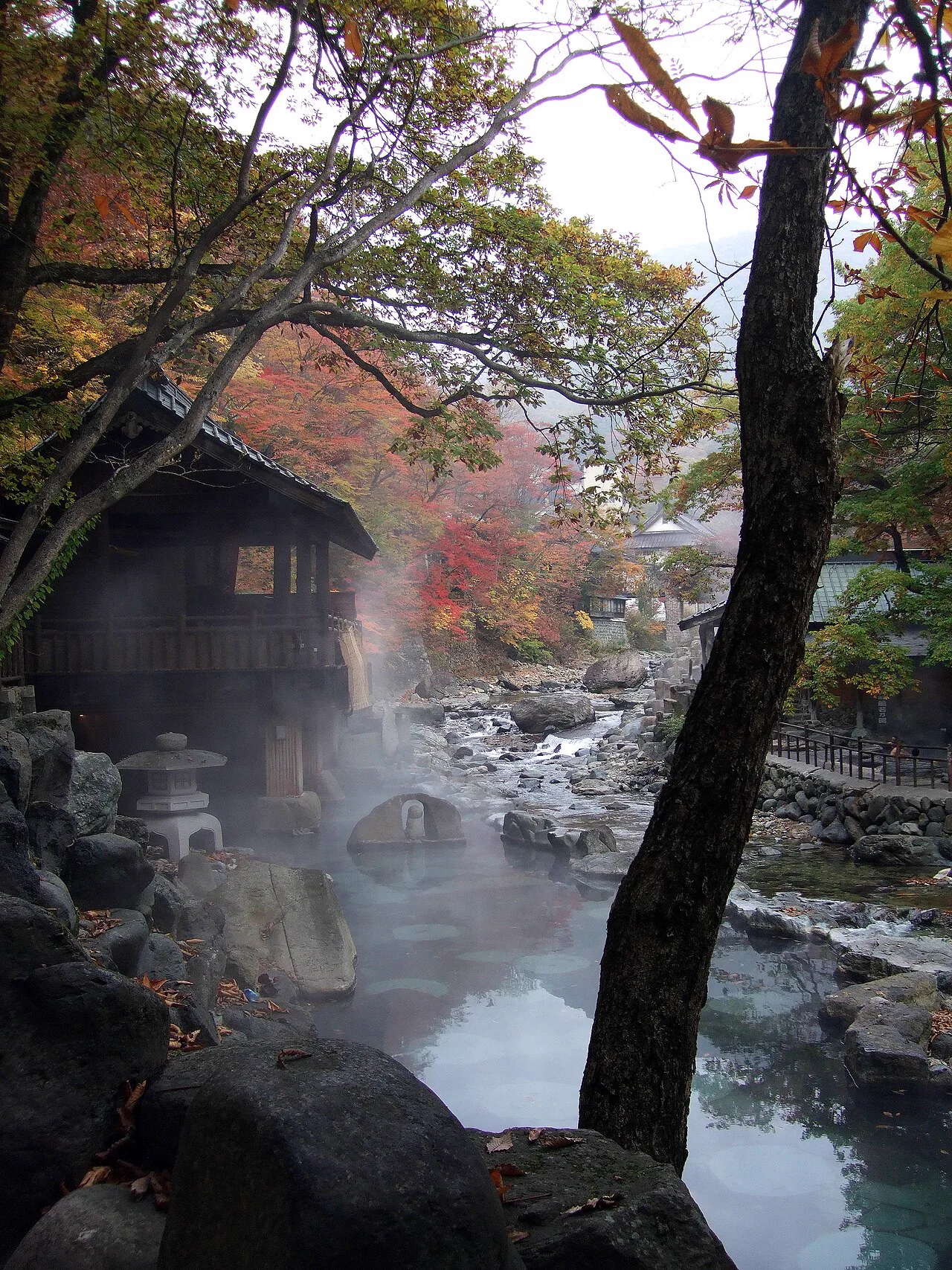
Oku-Shimanto Onsen Day Trip: Which of the Five Baths Fits Your Route?
Compare the five Oku-Shimanto day-use baths by spring, price, opening hours and access. Find out which one fits a coastal, river or mountain day.
Oku-Shimanto Onsenkyo is a group of five baths spread across Susaki, Nakatosa, Tsuno, Shimanto and Yusuhara in western Kochi Prefecture. It is a regional label, not a hot-spring street: driving from one bath to another can take you well out of the way. Pick the one that fits your day rather than trying to collect all five.
The choice is usually clear once you decide what matters most. Kuroshio Honjin pairs a Pacific view with a seawater outdoor bath; Goroku is the private, appointment-only option; Sodayama has a low-temperature sulfur bath; Matsubakawa has two distinct spring sources; and Kumo no Ue is the most facility-rich stop. The baths suit different routes, too, from the coast around Kure to the Shimanto River and the mountains near Yusuhara.
| Bath | Best reason to go | Adult day-use price | Published hours |
|---|---|---|---|
| Kuroshio Honjin | Pacific-facing outdoor bath and a stop in Kure | ¥700 plus ¥150 bathing tax, as listed by Nakatosa Town | 10:30 am–4 pm; 6:30–8 pm. No daytime session on Thursdays; second Thursday is the regular closure. |
| Goroku Onsen | A private 60-minute bath for up to four people | ¥3,600 per group | 11 am–3 pm, by reservation through the previous day; days vary. |
| Sodayama Onsen Yawaragi | Low-temperature cypress bath and sulfur spring | ¥700 | 9 am–9 pm; Thursday is afternoon-only. |
| Matsubakawa Onsen | Two spring sources, outdoor bath and sauna | ¥700 | 10:30 am–9 pm; Wednesday opens at 4 pm. |
| Kumo no Ue Onsen | Sauna, several bath types and a mountain setting | ¥700 for visitors from outside Yusuhara | Wed–Sun 11:30 am–10 pm; Tuesday 3–10 pm; Monday closed. Winter hours are shorter. |
Hours and admission can change for holidays, maintenance or seasonal schedules. Check the operator’s latest notice before travelling, especially if you are planning around a single bus or a private booking.
Kuroshio Honjin: a sea view, with seawater in the outdoor bath
Kuroshio Honjin sits above Kure Bay in Nakatosa. Its outdoor bath, called Ushio-yu, is heated Pacific seawater, not natural hot-spring water. The indoor bath uses heated cold spring water. That distinction matters if you are choosing for the water itself; for the view, the outdoor bath is the point.
Nakatosa Town lists day-use sessions from 10:30 am to 4 pm and 6:30 pm to 8 pm, with guests leaving by 5 pm or 9 pm, respectively. The bathing charge is ¥700 plus a ¥150 bathing tax. Day-use bathing is unavailable during the Thursday daytime session; the second Thursday of each month is the regular closure, subject to holiday changes.
The facility is about five minutes by car from Nakatosa Interchange. Of the five, it is the easiest to pair with Kure’s market and fishing-town sights.
Goroku Onsen: book ahead for a private bath
Goroku Onsen is in Tsuno, near the headwaters of the Shimanto River. Its day-use product is a 60-minute private bath for one group, up to four people, at ¥3,600. The operator requires a full reservation by the previous day, so treat this as a booked visit rather than a bath you can drop into after lunch. Its published day-use window is 11 am–3 pm on Mondays and Friday through Sunday or holidays, with operating days subject to change.
The water is classified as an alkaline simple sulfur spring. The operator describes it as natural sulfur-spring water, while the Kochi tourism listing identifies it as source-fed. Flow can vary with weather, and the operator cautions that continuous source flow is not guaranteed every day.
The Kochi tourism listing puts the drive from Susaki-nishi Interchange at about 45 minutes and says Tsuno Town’s Goroku bus stop is a one-minute walk away. It does not provide a timetable, so confirm service for your date before planning around the bus.
Sodayama Onsen Yawaragi: a low-temperature sulfur bath in Susaki
Sodayama’s alkaline simple sulfur cold mineral spring has a published pH of 9.5. “Cold mineral spring” describes the source classification, not the temperature of every bath. The public baths include indoor and outdoor pools and a low-temperature cypress bath supplied from the source. There is no day-use sauna or reservable private bath.
From JR Agawa Station, the inn is about six minutes away by car and offers a station pickup by advance reservation. Ask the inn to confirm a day-visitor transfer and coordinate it with your train.
| Sodayama Onsen Yawaragi | Terms |
|---|---|
| Standard adult admission | ¥700 |
| Morning rate (ordinary days, 9 a.m.–noon) | ¥480 |
| Regular hours | 9 a.m.–9 p.m.; Thursday afternoons only |
| Holiday schedule | Hours may change; irregular closing days |
Matsubakawa Onsen: two springs, not one blended water claim
Matsubakawa is the strongest choice if you want to compare different waters in a single visit. The outdoor bath uses a spring that qualifies under Japan’s Hot Spring Act, with a published pH of 9.3. The indoor bath uses a separate alkaline simple sulfur cold mineral spring, with a pH of 9.6. The facility also has a sauna, cold bath and a bath using soft water from the Shimanto area; those are separate features, not additional hot-spring sources.
No reservation is needed according to the operator. The Kochi tourism listing gives a drive of about 20 minutes from Shimantocho-chuo Interchange, or a 35-minute bus ride from Kubokawa Station. Check the bus timetable before relying on that service.
| Matsubakawa Onsen | Terms |
|---|---|
| Adult / child admission | ¥700 / ¥350; preschoolers free |
| Usual hours | 10:30 a.m.–9 p.m.; last reception 8:30 p.m. |
| Wednesday | Opens at 4 p.m. for cleaning |
Kumo no Ue Onsen: mountain baths and a sauna near Yusuhara
Kumo no Ue is in Yusuhara, alongside a heated pool and other facilities. The bath has an outdoor pool, jet bath, jacuzzi, sauna and rotating medicated bath. Its published spring classification is a bicarbonate cold mineral spring containing metaboric acid and fluoride ions; the operator describes the water as flowing directly from the source.
The pool is currently unavailable because of an equipment fault, and the operator has not given a reopening date. From December 1, 2026 through March 12, 2027, the operator plans to close at 9 p.m. instead of 10 p.m.
| Kumo no Ue Onsen | Terms |
|---|---|
| Adult bath admission (non-resident) | ¥700 |
| Bath-and-pool rate | ¥1,200; pool currently unavailable |
| Bath hours | Wed–Sun 11:30 a.m.–10 p.m.; Tue 3–10 p.m. |
| Monday | Closed (moves to Tuesday when Monday is a public holiday) |
The Kochi tourism listing gives about 50 minutes by car from Susaki-higashi Interchange. Kumo no Ue works well with Yusuhara’s architecture and mountain scenery; it is a long way from the coastal Kuroshio Honjin, so combining the two in one day is rarely a sensible plan.
Plan by area, not by the five-bath name
For a coastal day, pair Kuroshio Honjin with Kure and Nakatosa. If you have a confirmed reservation at Goroku, leave room for its fixed one-hour slot and build the rest of the day around Tsuno or the Shimanto headwaters. Sodayama fits a Susaki day, especially if you can arrange its station pickup. Matsubakawa is a better match for Kubokawa and the Shimantocho area. Kumo no Ue belongs with Yusuhara and the Shikoku Karst region.
Public transport can work for individual baths, but the five are spread across separate municipalities. Matsubakawa has a listed bus from Kubokawa Station, Goroku has a town-bus stop nearby, and Sodayama can arrange an advance station pickup. Confirm the outbound and return service for your date; a nearby stop or pickup does not necessarily make for a convenient all-day connection. A car gives you more flexibility, but mountain roads and travel times still make a one- or two-bath itinerary more realistic than all five.
If your route is around Tosa or Susaki, compare Sanyoso and Sodayama for a day-use bath. For baths in the prefectural capital, see the Kochi City onsen and sento guide. Further west, the Hata, Shimanto and Tosashimizu day-use guide covers a different cluster of baths.
Sources
- [Oku-Shimanto Onsenkyo: participating facilities](https://3iaw0.hp.peraichi.com/) - [Nakatosa Town: Kuroshio Honjin bathing sessions, closure and fee](https://www.town.nakatosa.lg.jp/life/detail.php?hdnKey=511) - [Kochi Prefecture Tourism: Kuroshio Honjin access and day-use information](https://kochi-tabi.jp/search_spot_sightseeing.html?id=12428) - [Kochi tourism report on Kuroshio Honjin’s indoor spring and seawater outdoor bath](https://guruguru.rkc-kochi.co.jp/article/goout_1772764090421782) - [Goroku Onsen: private day-use bath, booking and operating days](https://gorokuonsen.co.jp/spa/) - [Kochi Prefecture Tourism: Goroku Onsen hours, fee and access](https://kochi-tabi.jp/search_spot_sightseeing.html?id=7650) - [Goroku Onsen: source flow may vary with weather](https://gorokuonsen.co.jp/post/4257/) - [Sodayama Onsen: day-use prices, hours and morning rate](https://sondayama.co.jp/dayuse/) - [Sodayama Onsen: spring classification and pH](https://sondayama.co.jp/onsen/) - [Sodayama Onsen: station pickup by advance reservation](https://sondayama.co.jp/access/) - [Matsubakawa Onsen: current admission, hours and separate spring data](https://www.matsubakawa.jp/hotsprings/) - [Kochi Prefecture Tourism: Matsubakawa Onsen access by car and bus](https://kochi-tabi.jp/search_spot.html?ID=8193) - [Kumo no Ue Group: current onsen hours, winter schedule, prices and pool status](https://www.kumonouegroup.com/onsen-pool) - [Kochi Prefecture Tourism: Kumo no Ue Onsen access](https://kochi-tabi.jp/search_spot.html?id=7937)Checked: 2026-09-28