Owani Onsen with Kids: Choose a Stay Around Baths and Transfers
Choose an Owani Onsen family stay by room bath, meals, stairs and station route.
For a family stay in Owani, the room’s bathroom and the last mile from the station often matter more than the inn’s headline bath. Fujiya has family-size rooms and a free pickup that must be booked ahead. KAI Tsugaru publishes child-meal options and bed-sharing rules. Aomori Winery Hotel gives you resort facilities, but sits up Mount Ajara. The table is a quick filter; the sections below explain what to confirm.
| Stay | What makes it workable with children | The question that changes the booking |
|---|---|---|
| Fujiya Hotel | Family-sized Japanese rooms, some with private baths; free station pickup | Does the room you selected have a bath, or only a toilet? |
| Aomori Winery Hotel | Resort-scale shared baths and a baby bath chair, subject to availability | Is the shuttle operating on your date, and can you manage the mountain location? |
| KAI Tsugaru | Rooms for up to five, child meal plans and scheduled station transfers | Are meals included for a bed-sharing child, and has the shuttle been reserved? |
| Yamani Senyukan | A historic building and guest-only hot spring for older children | The inn accepts children from elementary-school age; it has no elevator |
| Sumire and smaller inns | Lower-key room-only or traditional inn options | What bathroom, stair and meal arrangements come with the exact room? |
The broader lodging comparison covers location and property type. For a family booking, start with the room bathroom, age limits and meal arrangements.
Fujiya: a family room does not always mean a family bath
Fujiya’s room list makes the distinction clear. The 12-tatami main-building Japanese room and the 12-tatami Japanese-Western room each list a bath and toilet. The 10-tatami annex room is described as suitable for families and groups, but lists a toilet without a bath. The 7.5-tatami annex room also has a toilet only. If you need to bathe a toddler in the room, match the room category—not just the property—to that requirement.
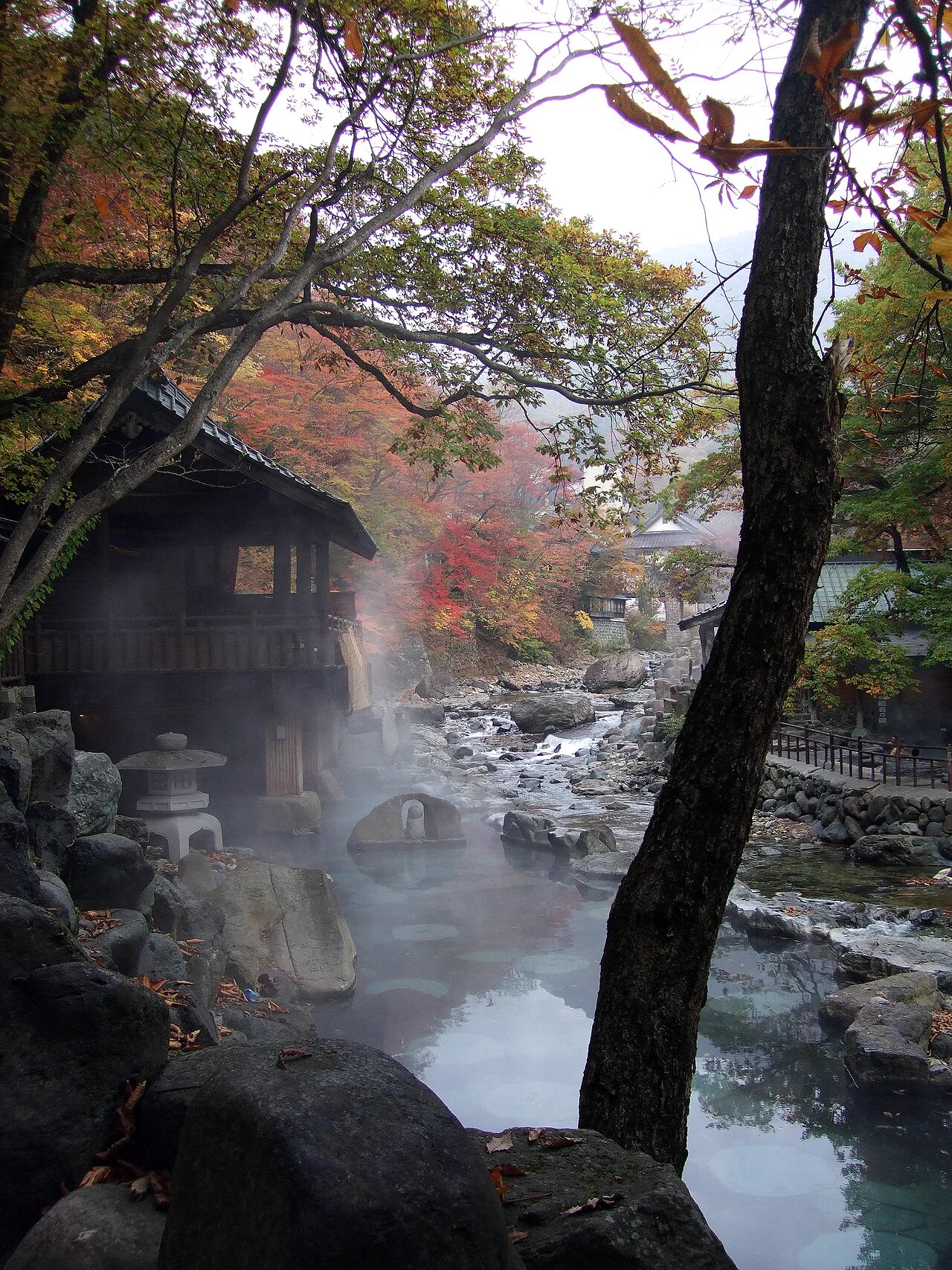
Fujiya’s shared bath includes an indoor bath, a garden open-air bath and a sauna. Its standard facilities page does not list a reservable family bath. For a private soak during the day, Wani Come has two family rooms with indoor and outdoor tubs. They cost ¥1,800 per hour and are booked by phone from 9 a.m. on the day, so have a backup if your preferred slot is gone. See the Wani Come family-room guide for the booking sequence.
The hotel is about a 15-minute walk from Owani-Onsen Station. A free pickup is available when requested by the previous day; the hotel matches afternoon arrivals between 2 and 6:30 p.m. and morning departures between 7 and 11 a.m. It is not a shuttle you can simply board on arrival. With a stroller, winter gear or several bags, include the request in your booking or call ahead. The Fujiya and Senyukan comparison lays out their different room and building trade-offs.
Choose Aomori Winery Hotel only if the resort location suits the day
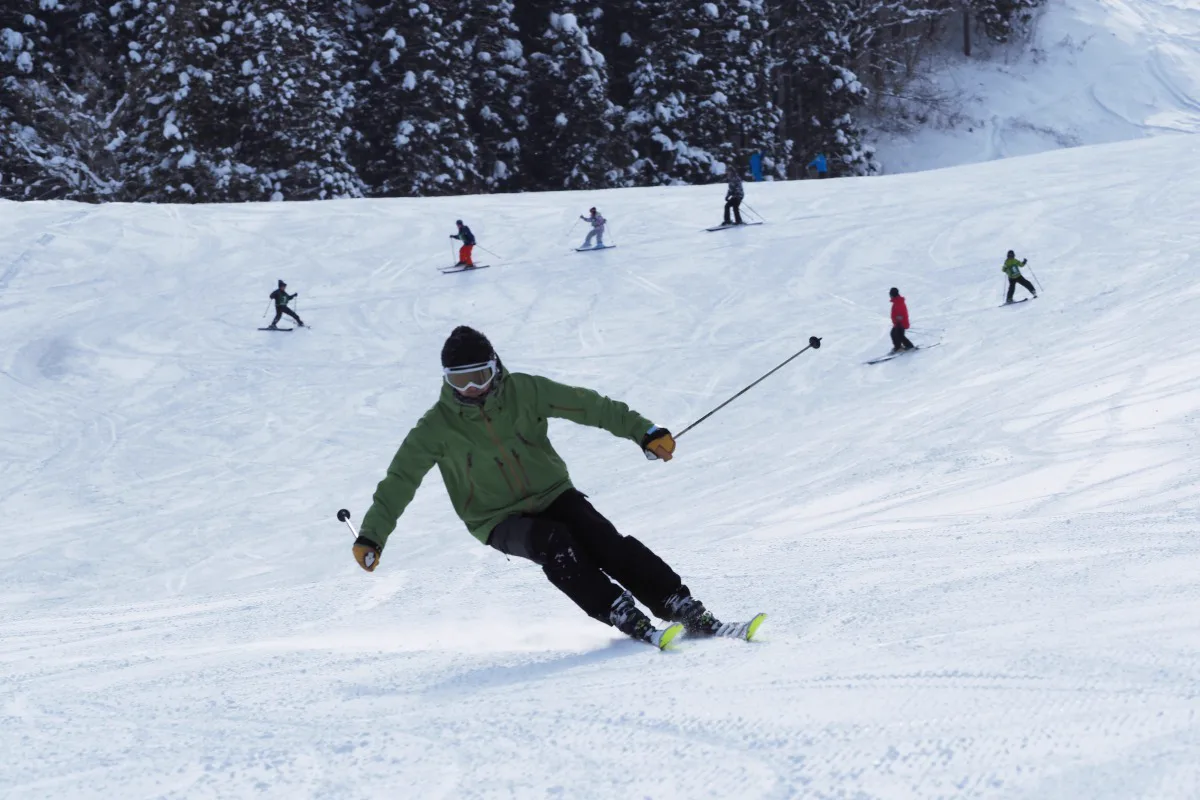
The hotel sits on Mount Ajara, away from the town’s public baths and shops. That is an advantage if the family plans to stay on site or ski, but a poor fit for an evening bathhouse walk. In fair conditions the property is about ten minutes from the station by taxi; the hotel’s winter estimate is longer.
Its free shuttle requires a reservation. The current published summer timetable covers April 1–November 30, 2026, so winter guests should check the next timetable rather than assume those departures continue.
The property has a public bath and says baby bath chairs are available at no charge, but supply is limited. Bathing hours are split into an afternoon/evening session and a morning session, with a cleaning and rotation break from 10 a.m. to 3 p.m.
That pause may matter if you planned a midday soak before checkout. Day-use bathing is currently suspended. Compare the location with KAI Tsugaru if you want a destination-style stay but would rather be closer to the station.
KAI Tsugaru: clarify the child’s meal before you arrive
KAI’s rooms accommodate one to five guests. Children aged six and under may share a bed within the selected room’s occupancy limit. Its dining page describes children’s Japanese meals for ages four to six and seven to eleven; commercially prepared baby food is also listed. A child who shares a bed is not automatically assigned every meal, so add the meal request when booking and check the price and application deadline shown for your dates.
The free station transfer runs to a schedule, not each train arrival. Current outbound departures include 3:10, 4:10, 4:50 and 5:10 p.m.; reserve by the day before. Plan your train around the confirmed shuttle rather than assuming the hotel can collect you later. KAI’s access page has the current timetable and reservation instructions.
The property’s dining page also lists children’s dishes and baby-food options, but menu availability and deadlines can change. If an allergy, high chair or early dinner is central to the trip, contact the hotel before paying. A fuller comparison with the mountain hotel is in KAI Tsugaru vs. Aomori Winery Hotel.
Age limits and stairs rule out some stays
Yamani Senyukan accepts children from elementary-school age, so it is not an option for a family with preschoolers. The main building dates to 1897 and has no elevator; rooms, bathing and dining involve stairs. Several rooms share facilities, too. Older children who are comfortable with a traditional inn may enjoy the setting, but a stroller or a guest who cannot manage steps makes it a poor match.
Shosenkaku Koyokan can work if having a bath in the room is more important than a children’s programme. The inn association currently says only some rooms have a private hot-spring bath, while older descriptions have been broader. Ask for the exact room type and whether its tub uses onsen water. Families with mobility or room-layout requirements can also consult the Owani accessible-stay guide.
Smaller town inns may have room-only plans that make meal timing easier, but they do not all offer family rooms or private bathrooms. The Sumire profile and budget-inn comparison are useful starting points; confirm bedding, stairs and meal availability directly.
Decide whether you need an overnight stay
Wani Come is beside the station and has a general bath, restaurant and shop, so a family can test the town without committing to a night away. Adult admission is ¥550; elementary-age children pay ¥270, and preschool children enter free. Family-room bathing is a separate booking and fee. The day-use guide compares it with the three neighborhood bathhouses.
If you will arrive by rail, plan for the transfer before choosing an outlying property. The Hirosaki-to-Owani no-car guide covers train and last-mile options, while the winter-stay guide helps with a ski-focused family trip. For a broader property shortlist, return to the seven-inn comparison.
Before reserving, match the child’s age to the property policy, check whether the room has a bath or only a toilet, and ask whether each child needs a separate meal plan. Confirm any shuttle separately. These are the details that can change the price and shape of the stay; “family friendly” by itself cannot tell you whether the room works.