Shirahone Onsen by Season: When to Go and How to Plan
Plan Shirahone by bath closures, spring reopening dates and winter road conditions. Check whether day-use hours and seasonal buses leave time to stay overnight.
At Shirahone Onsen, the season changes which baths you can count on and how much time the valley deserves. The municipal Public Open-Air Bath closes for winter, Baikoan operates seasonally, and Awanoyu’s day-use calendar can change at short notice. A spring or autumn visit needs a date check; in winter, an inn’s own baths and your route back matter more than a wish list of outdoor stops.
Spring: confirm the reopening before building the day around a bath
The Public Open-Air Bath is listed as closed from November 25 until around mid-April. That is a guide to its usual winter break, not a promise that it will reopen on a particular date: snow, road conditions and preparations can shift the first day. Baikoan is listed as open from mid-April to the end of November, with other closure days possible. Check the official Baikoan schedule before booking transport or assuming two baths will be available on the same visit.
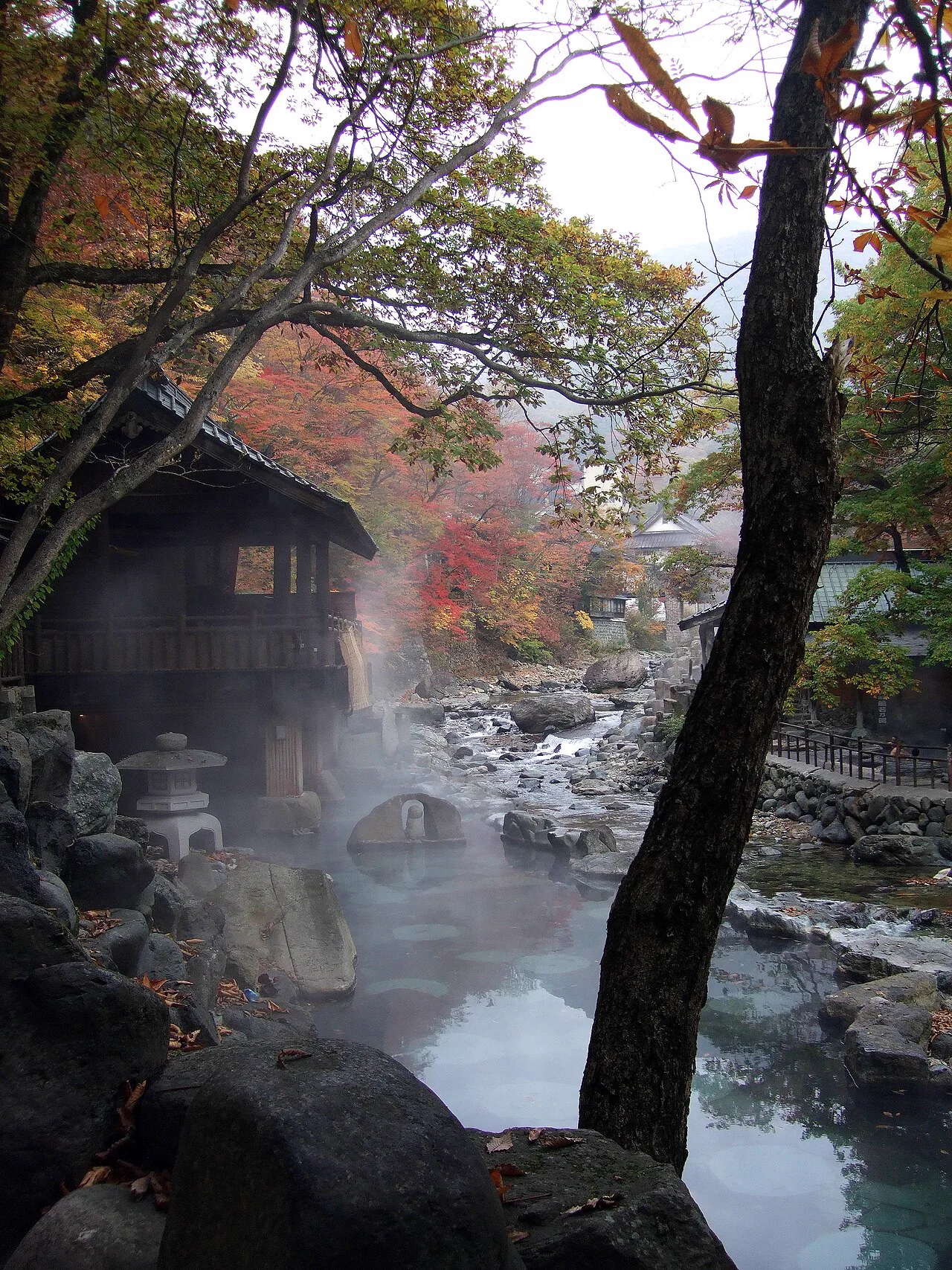
If your dates fall soon after reopening, make one outdoor bath the anchor and keep the rest of the afternoon flexible. The Public Open-Air Bath is a simple riverside soak with separate bathing areas for men and women. It is closed on Thursdays.
Baikoan is more convenient if you want lunch at the same stop. Its restaurant serves from 11 a.m. to 2:30 p.m., with last orders at 2 p.m. A late start can leave little time for both lunch and a soak.
For a short visit, the day-trip itinerary lays out the current facilities and timing. If a reopening date is central to your trip, verify it directly with the bath rather than relying on a past year's calendar.
Summer: leave room for a longer pause in the valley
When the seasonal outdoor baths are operating, a summer visit is the easiest time to build a day around a soak and a meal without treating each stop as a deadline. Baikoan combines bathing with lunch; the Public Open-Air Bath makes more sense as a single, shorter stop beside the stream. There is no need to fit both in unless the bus or driving schedule leaves comfortable time between them.
An overnight stay changes the pace. You can arrive, settle in and use the inn’s own baths without timing everything around a public-bath closing hour. Before booking, check what the room plan actually includes and whether the bath you want is open to overnight guests at the times you expect. The Shirahone stay-versus-day-trip comparison weighs that choice against using Matsumoto as a base.
Autumn: plan for the date you have, not a peak-colour promise
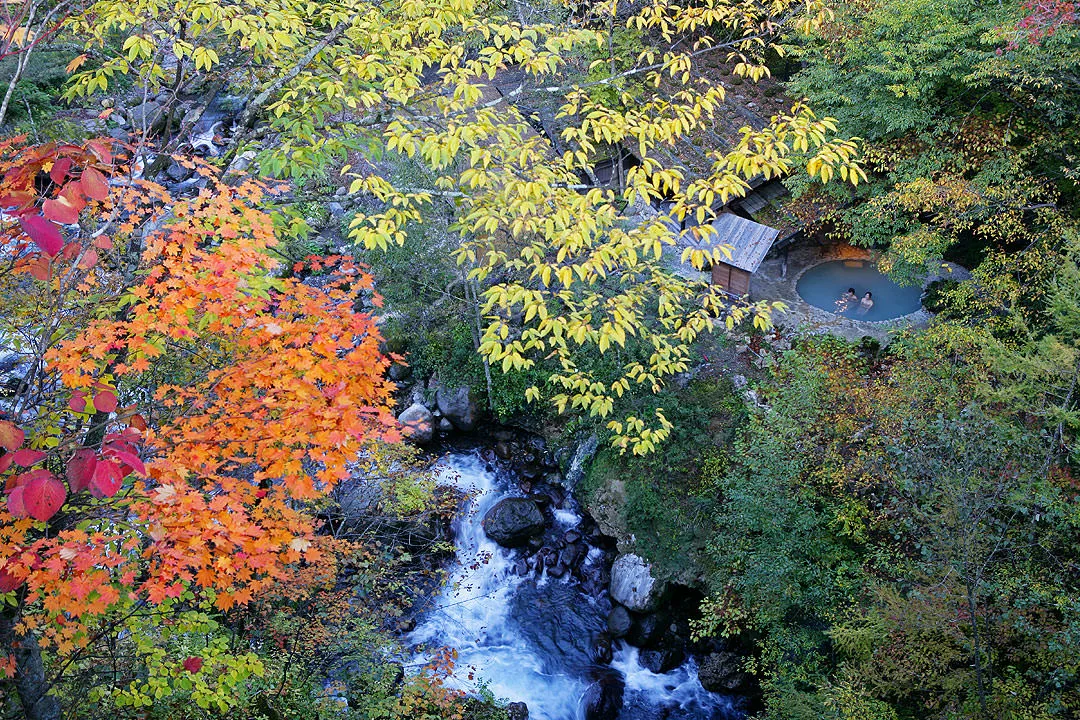
Autumn scenery is a draw, but foliage timing varies with elevation and the year's weather. Treat any forecast of peak colour as a planning clue, not a guarantee. The more dependable decision is logistical: choose the bath first, then work backwards from its last admission and the return bus or drive. Awanoyu’s day-use hours are short, and its calendar may change; the inn asks visitors to call on the day before setting out.
If seeing the valley is as important as bathing, an overnight stay gives you more time than squeezing in a late return from Matsumoto. Check the inn’s dinner time, pickup arrangements and parking before choosing a room. Our cost comparison separates the bath ticket from the transport and meal costs that can make a day trip less simple than it first appears.
Winter: make the inn’s bath the reliable part of the plan
The Public Open-Air Bath’s winter closure removes the most straightforward public riverside soak. Baikoan also closes seasonally. Awanoyu accepts day visitors only on listed dates, and its official notice warns that weather, maintenance or fuel supply can lead to extra closures; day visitors are asked to confirm by phone on the day.
For a winter trip whose main purpose is bathing, choose accommodation only after confirming which baths will be available to staying guests. Snow and freezing conditions can affect driving, buses and transfers, so check the route and timetable for your exact date. If access becomes uncertain, drop an extra stop rather than trying to recover the schedule by rushing. The access-and-stay guide covers the practical connection between an inn, its facilities and onward transport.
A seasonal plan at a glance
| Season | What to plan around | A sensible default |
|---|---|---|
| Spring | The actual reopening date after winter | Pick one confirmed outdoor bath and keep the rest flexible |
| Summer | The seasonal bath schedule and meal hours | Pair one bath with lunch, or stay overnight for a slower visit |
| Autumn | Variable foliage timing and short day-use windows | Work back from the chosen bath's last admission and your return |
| Winter | Seasonal closures, weather and transport | Base the trip on a confirmed inn bath and a workable route |
The ryokan comparison is useful when you have settled on an overnight visit and need to compare bath layouts. For privacy or room-bath questions, see the separate private-bath guide. Neither replaces checking the exact room plan: facilities and access rules differ by property.
Official information
Confirm opening dates, inn baths, access and meal arrangements for your travel month.
- Shirahone Onsen Public Open-Air Bath: hours, fee and winter closure
- Baikoan: seasonal schedule, day-use bath and restaurant
- Shirahone Onsen facilities: other local baths
- Awanoyu: day-use bathing, calendar and same-day closure notice
- Shirahone Onsen: official access information
- Awanoyu: 2026 spring–autumn bus timetable
Checked September 28, 2026. Seasonal openings, day-use calendars, transport and weather conditions can change; confirm them for your travel date.