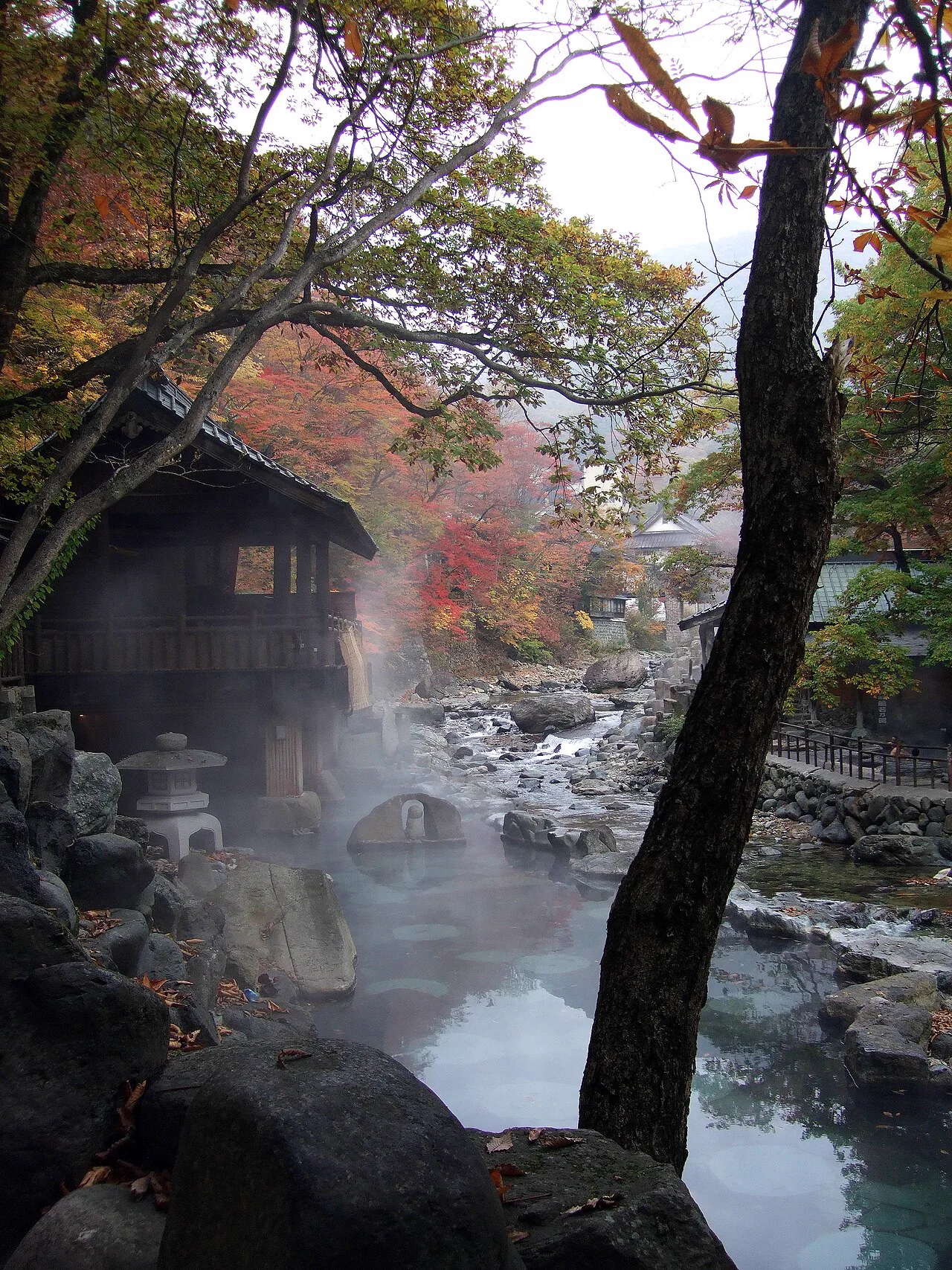
Yunomine, Kawayu or Watarase? A Day-Trip Guide to Hongu Onsenkyo
Compare Yunomine’s World Heritage Tsuboyu, Kawayu’s river bathing and Watarase’s large outdoor bath; check the return bus before visiting.
Yunomine, Kawayu and Watarase are often grouped together as Hongu Onsenkyo, but they are not one walkable resort district. Each has its own bathing style, and the bus timetable can matter more than the ¥300–¥1,000 admission range. Choose one main stop first, then see whether your return journey leaves room for another.
The facility details below follow the operator and tourism listings checked on September 7, 2026. Hours, river conditions and construction notices can change; verify the day’s status before travelling into the mountains.
Compare the main day-use baths
| Bath | Adult admission | Listed hours | Best reason to go | Main limitation |
|---|---|---|---|---|
| Yunomine Public Bath | ¥400 for the standard bath | 6 a.m.–9 p.m.; last admission 8:30 p.m. | A practical soak after the Kumano Kodo, with hot and milder baths; shampoo and body wash are provided | Several ticket types have separate prices |
| Tsuboyu | ¥800 | 6 a.m.–9 p.m.; last admission 8:30 p.m. | A small, historic rock bath associated with the Kumano pilgrimage and listed as part of a World Heritage site | One group at a time, for up to 30 minutes; queues can add time |
| Kawayu Public Bath | ¥300 | 6:30 a.m.–8 p.m.; last admission 7:30 p.m.; closed Tuesdays | The lowest-cost fixed bath, fed by hot water rising from the riverbed | Do not assume the riverside bathing area is safe or available that day |
| Watarase Onsen’s large outdoor bath | ¥1,000 | 6 a.m.–10 p.m.; last admission 9:30 p.m. | A large, source-fed outdoor bath with a mountain-and-stream setting | A construction notice still lists some men’s outdoor pools as unavailable |
Yunomine: choose between a regular bath and Tsuboyu
The Yunomine Public Bath is the straightforward option. The standard ¥400 ticket covers the regular baths, which include a hotter pool and a milder one. Shampoo and body wash are listed as available. There are separate tickets for the medicinal bath and family bath, so do not assume the standard admission covers every room.
Tsuboyu costs ¥800 and is a different experience, not simply a smaller version of the public bath. The stone bath is used by one group at a time for up to 30 minutes. Take a numbered ticket at the public bath counter and wait for your turn; the visit can take much longer than half an hour when other groups are ahead of you. The ticket also includes one subsequent visit to either the regular bath or medicinal bath.
Tsuboyu’s appeal is its history and setting on the Kumano pilgrimage route. If you mainly want a comfortable wash after hiking, the public bath is the more practical choice. If you want a bathing experience tied specifically to Hongu’s pilgrimage culture, Tsuboyu is the one to plan around.
The source temperature published for the spring is 92°C. That is not the temperature of the bath you sit in: the operator does not publish a fixed bathing-pool temperature. For a wider explanation of the distinction, see how to read onsen water-temperature figures.
Kawayu: keep the public bath separate from the river
Kawayu is known for hot water that rises through the riverbed. In winter, the seasonal Sennin-buro is made by combining the hot spring water with the river. Outside that season, visitors may find places to bathe along the river, but the water level, flow and weather determine whether that is safe or permitted.
The fixed Kawayu Public Bath is the dependable plan. Admission is ¥300 for adults; the listing gives hours of 6:30 a.m.–8 p.m. and Tuesday closure. Soap and shampoo are sold separately, and towels are available for purchase. The bathhouse can remain open even when river bathing is closed because of high or muddy water. Check the Hongu tourism association’s live notices before treating a riverside soak as part of your itinerary.
The seasonal Sennin-buro normally operates from December through the end of February, subject to weather and river conditions. The 2025–26 season ended on February 28, 2026. Do not use last winter’s dates as a promise for the coming season; wait for the new opening announcement.
Watarase: a larger outdoor bath for a longer stop
Watarase Onsen’s large outdoor bath is the most substantial facility in this comparison. Adult admission is ¥1,000, and the listed bathing window is 6 a.m.–10 p.m. The outdoor bath is described as a natural hot spring supplied directly from its source. Towels are sold on site, with separate prices for face and bath towels.
There is one caveat worth checking: the operator’s spring page still carries a notice that three of the five outdoor pools in the men’s bath are unavailable during drilling work. Another page had described the work as expected to finish in early 2026, but the restriction remained on the spring page when these details were reviewed. Unless the operator posts a clear completion notice, plan for the possibility of reduced pool access.
Day visitors can also ask about the family-use outdoor baths. The operator lists four rooms, with use when available and roughly 60 minutes as a guide. The day-use price is ¥1,800 per adult and ¥900 per child. Confirm availability and current terms directly; these are separate from the private baths reserved for overnight guests.
Getting between the three areas without a car
Buses connect Hongu Taisha-mae with Yunomine, Watarase and Kawayu, but this is a rural route, not a frequent city service. Different services may visit the stops in different orders, and a timetable change can leave a long wait between baths.
Start with the bus you need back to your accommodation or onward destination. Then choose the main bath that fits that window. Yunomine pairs naturally with a visit to Kumano Hongu Taisha and Oyunohara; Kawayu makes most sense if you are staying in the area; Watarase is better when you want to spend longer at the facility. Trying to collect all three can turn the day into a sequence of bus waits.
For an early start, Yunomine and Watarase open at 6 a.m.; Kawayu opens at 6:30 a.m. In the evening, Kawayu closes first at 8 p.m., followed by Yunomine at 9 p.m. Watarase’s last admission is listed at 9:30 p.m. These times leave little margin for a late meal or a missed connection, so check the return bus before you enter.
Which one fits your day?
- A distinctive Kumano pilgrimage experience: Tsuboyu, with time allowed for the queue.
- A simple bath after walking: Yunomine Public Bath.
- The lowest admission: Kawayu Public Bath; treat river bathing as a weather-dependent extra.
- A longer soak in a large outdoor setting: Watarase, after checking the current construction notice.
- No rental car: Pick one main area and plan backwards from the last useful bus.
For other Wakayama bathing options, see the guide to Japanese onsen spring types. The facilities around Hongu are not interchangeable; a single well-planned stop is usually more useful than trying to bathe in every area on the same day.