Motoyu or Yakushiyu? Comparing Yunotsu’s Two Public Baths
At Yunotsu, Motoyu is a very hot, no-frills spring with limited public hours; Yakushiyu has a lounge and terrace but closes Tuesdays. Compare costs and rules.
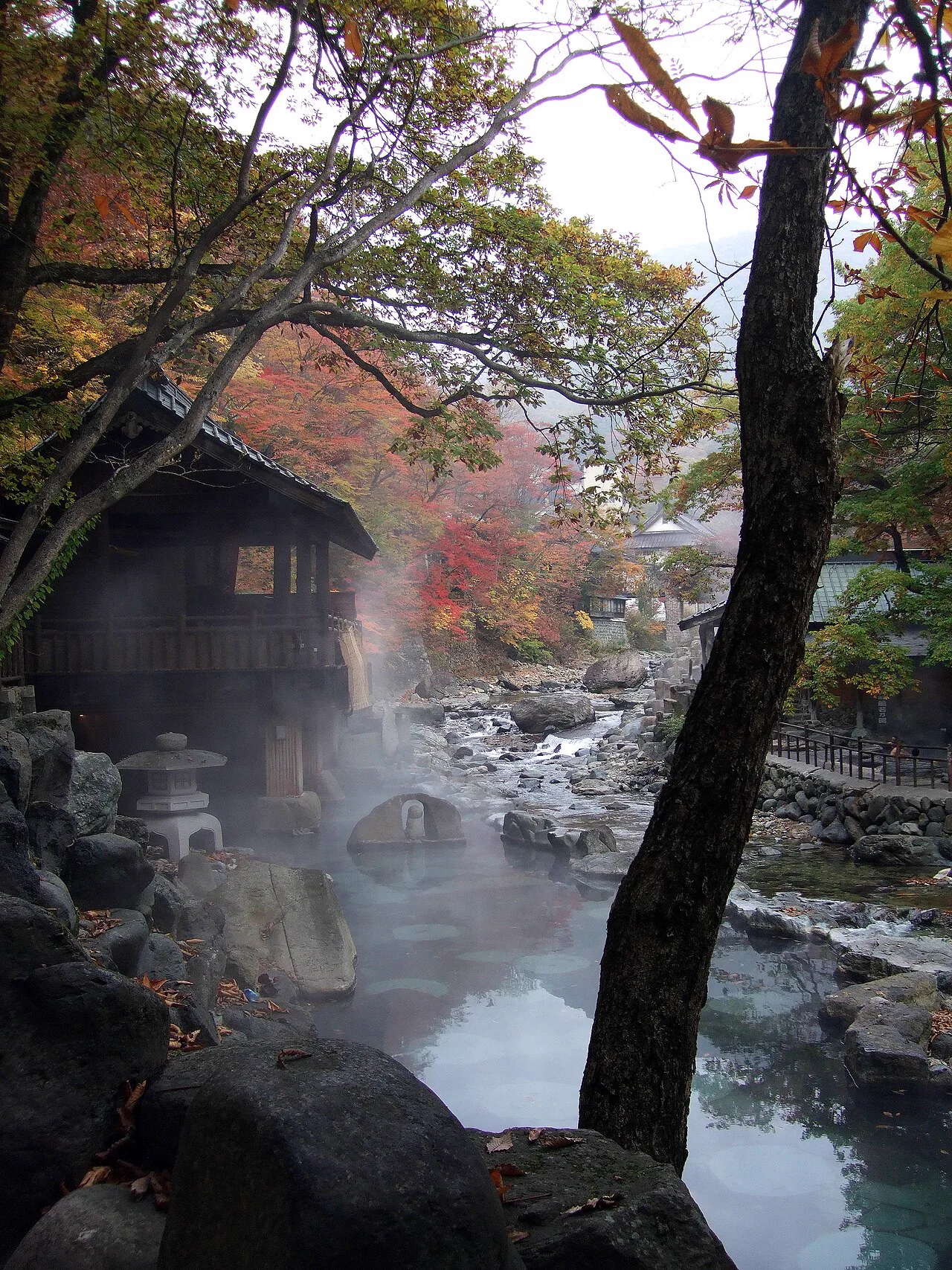
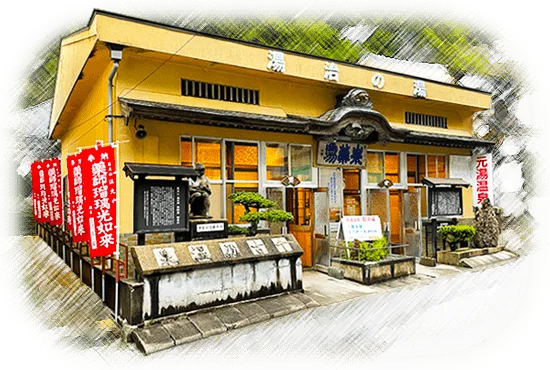
Motoyu and Yakushiyu sit in the same historic hot-spring town, but they ask different things of a visitor. Motoyu is a compact bath for people who want to experience its naturally emerging spring with very little processing; the water is hot, and there are no showers or complimentary toiletries. Yakushiyu is easier to fold into a longer stop, with a lounge, rooftop terrace and private-bath options.
Check the day of the week before setting out. As of September 2026, general visitors can use Motoyu only from 6 to 8 a.m. on Mondays and Thursdays. Yakushiyu now closes every Tuesday, a schedule change that began September 8, 2026.
| Motoyu | Yakushiyu | |
|---|---|---|
| Adult admission | ¥500 | ¥600 for the public bath |
| Regular hours | March–November: 6 a.m.–8 p.m.; December–February: 6 a.m.–7 p.m. | 9 a.m.–9 p.m. |
| Weekly schedule | Mondays and Thursdays: general admission 6–8 a.m. only | Closed Tuesdays from September 8, 2026; special holiday openings may be announced |
| Spring | Sodium-chloride spring; source 49.9–50.0°C | Sodium–calcium chloride spring; source 45.8°C, pH 6.4 |
| Bathing setup | Three pools listed at 38–40°C, 43–44°C and 46–48°C | Public baths, plus separately listed private baths |
| After bathing | Simple, no-frills visit | Second-floor lounge, rooftop terrace and historic former bathhouse building next door |
Motoyu is for the bath itself
Motoyu describes its spring as a natural, self-flowing source. The operator says it reaches the bath without dilution, heating, cooling or recirculation; the source-to-bath distance is only about one to 1.6 metres. This is the clearest choice if the water and its handling matter more to you than the building or extra facilities.
The temperatures deserve respect. Motoyu lists a first-timer pool at 38–40°C, a warmer pool at 43–44°C and a hot pool at 46–48°C. Start with the cooler pool, especially if you are not used to very hot Japanese baths. There is no prize for staying in a pool that feels too hot; get out and rest if you feel unwell.
The trade-off is a very simple setup. There are no showers and no stocked toiletries. You can wash using the bath water or tap water, and towels, soap and shampoo are sold at the counter. The facility asks guests to limit a visit to one hour. Its posted calendar also shows a regular annual closure on the third Monday in November; shorter hours may be announced for cleaning.
Yakushiyu gives you room to linger
Yakushiyu’s ¥600 public bath is the more flexible stop for most first-time visitors. The hot spring association describes its source as emerging naturally from rock about two metres underground and flowing into the bath without treatment. The spring is classified as a sodium–calcium chloride spring. Its published source temperature is 45.8°C, but the bathhouse does not publish a fixed bathing-pool temperature, so do not treat the spring figure as the pool temperature.
After bathing, visitors can use the second-floor lounge and rooftop terrace, which looks across Yunotsu’s closely built streets and tiled roofs. The adjacent former bathhouse is a Taisho-era wooden Western-style building now used as a café. Yakushiyu also lists private baths, but confirm current availability, fees and booking terms before relying on one.
The schedule changed recently. Yakushiyu’s operator and Oda City Tourism say Tuesday became its weekly closing day on September 8, 2026. The operator may announce special holiday openings, so check its latest notice if your visit falls on a Tuesday or a public holiday.
Getting between the two
Yunotsu Station is about a 10–15-minute walk from Yakushiyu, according to Shimane’s tourism listing. Motoyu is also in the old hot-spring quarter; the operator lists local buses from the station, but check the return connection rather than assuming a frequent service. Yakushiyu lists about 30 parking spaces spread around the area. In either case, leave time to walk through the town instead of planning the visit as a quick station-side stop.
If you only want a low-cost, short soak and are comfortable with the hotter pools, Motoyu is a distinctive choice—provided its hours fit your day. For a first visit, an afternoon stop, a place to rest afterwards or the possibility of a private bath, Yakushiyu is easier to plan around, except on Tuesdays.
For a broader look at local bathing options, see the Yunotsu day-use onsen guide. It covers the town’s other bathing choices as well as the practicalities of making a short visit.