Zao Onsen in Winter: Which Baths Stay Open?
Zao winter baths: public baths, seasonal closures and late entry to check today.
Winter bathing in Zao needs a little scheduling. The three communal bathhouses stay open through the season, while the large riverside bath closes for winter. Day-use inns and facilities keep their own hours, and an open sign does not mean they will accept guests until closing time. Check the last-entry rule before you leave the mountain.
The year-round choice: three public bathhouses
Kamiyu, Shimoyu and Kawarayu are listed as open daily from 6 a.m. to 10 p.m. The official resort site gives admission as ¥300 for adults and ¥100 for children. These are simple local baths, not full-service spas: there are no showers or shampoo stations. They work best if your accommodation has the changing and washing facilities you need.
The three locations suit different walks. Shimoyu is near the bus terminal; Kamiyu is farther up the village; Kawarayu is reached on a side lane. The public bath comparison helps you choose one without trying to visit all three. For an earlier or later soak, see the morning-versus-evening guide.
Seasonal baths are not winter backups
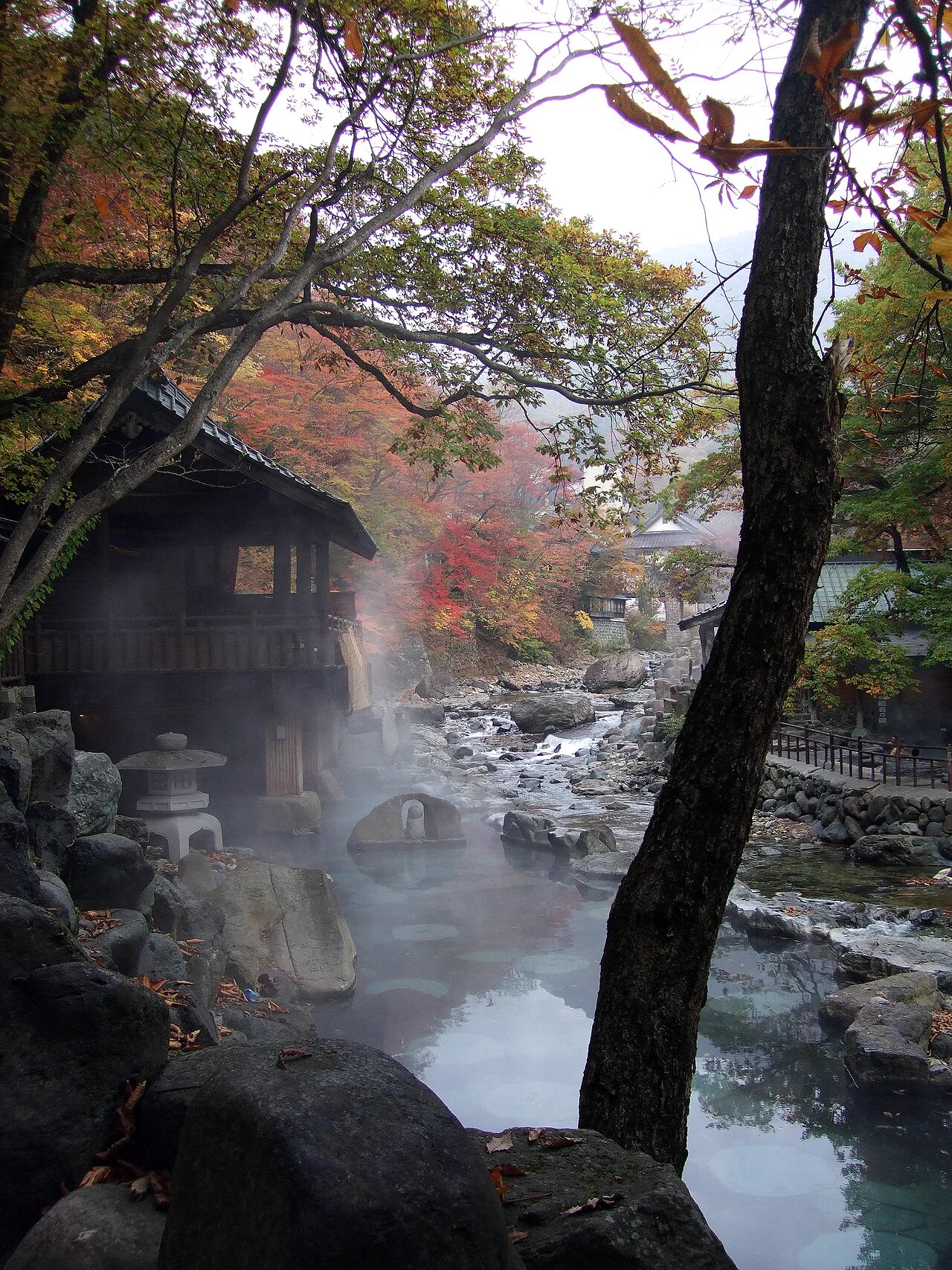
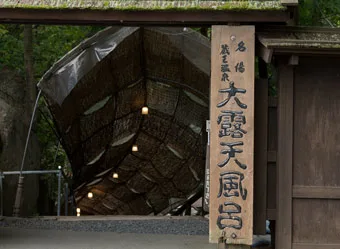
Dai-Rotenburo sits beside a mountain stream and normally closes from late November into mid-April. It has no showers, and the approach from the bus terminal is a separate walk; do not assume it is open because the village baths are. Check the operator’s current seasonal notice before making the outdoor bath your main plan. Its November public-bath comparison explains the difference between the riverside pool and the town bathhouses.
Shinzaemon-no-Yu and Tsuruya may both take day visitors, but their policies and schedules are not interchangeable. Check the facility’s same-day hours, closure calendar and last admission. The Shinzaemon-no-Yu versus Tsuruya comparison covers the practical difference: a larger wash-and-rest facility versus a ryokan bath with private-bath sessions. The full day-use guide includes the other bathing options in town.
Leave time between the mountain and the bath
The Ropeway’s English operating page lists winter hours of 8:15 a.m.–4:45 p.m. on the lower line and 8:30 a.m.–4:30 p.m. on the summit line. Those are scheduled hours, not a promise of service during high winds, heavy congestion or poor visibility. Check the live operation notice and the weather backup plan before setting out.
After skiing, allow time to return equipment and walk to the bath. A day-use facility may close its reception before its doors shut; the public bathhouses are the more predictable late option if you only need a short soak. If you want a second chance to see the juhyo after a weather disruption, consider an overnight stay; the non-ski winter guide outlines what an extra night changes. For a family trip, use the family juhyo guide to plan around children’s pace and warmth.
Strongly acidic spring water can be uncomfortable for some visitors. Follow the posted bathing guidance, keep water out of your eyes and leave metal jewellery behind. The sulfur-water gear guide covers small precautions, while the sensitive-skin guide explains why a shorter first soak may suit some people.
Sources and verification
- [Zao Onsen official site: communal baths and seasonal facilities](https://zaomountainresort.com/about/) — public bath hours, fees and seasonal notices. - [Zao Ropeway: winter hours and fares](https://zaoropeway.co.jp/winter/en/access.php) — winter timetable and weather caveat. - [Zao Ropeway: current service notices](https://zaoropeway.co.jp/winter/info.php) — live status and seasonal updates. - [Dai-Rotenburo: current operator information](https://www.jupeer-zao.com/roten/) — seasonal hours and facility guidance.Verified October 24, 2026. Seasonal dates, last entry and daily access can change; confirm with the facility before travelling.