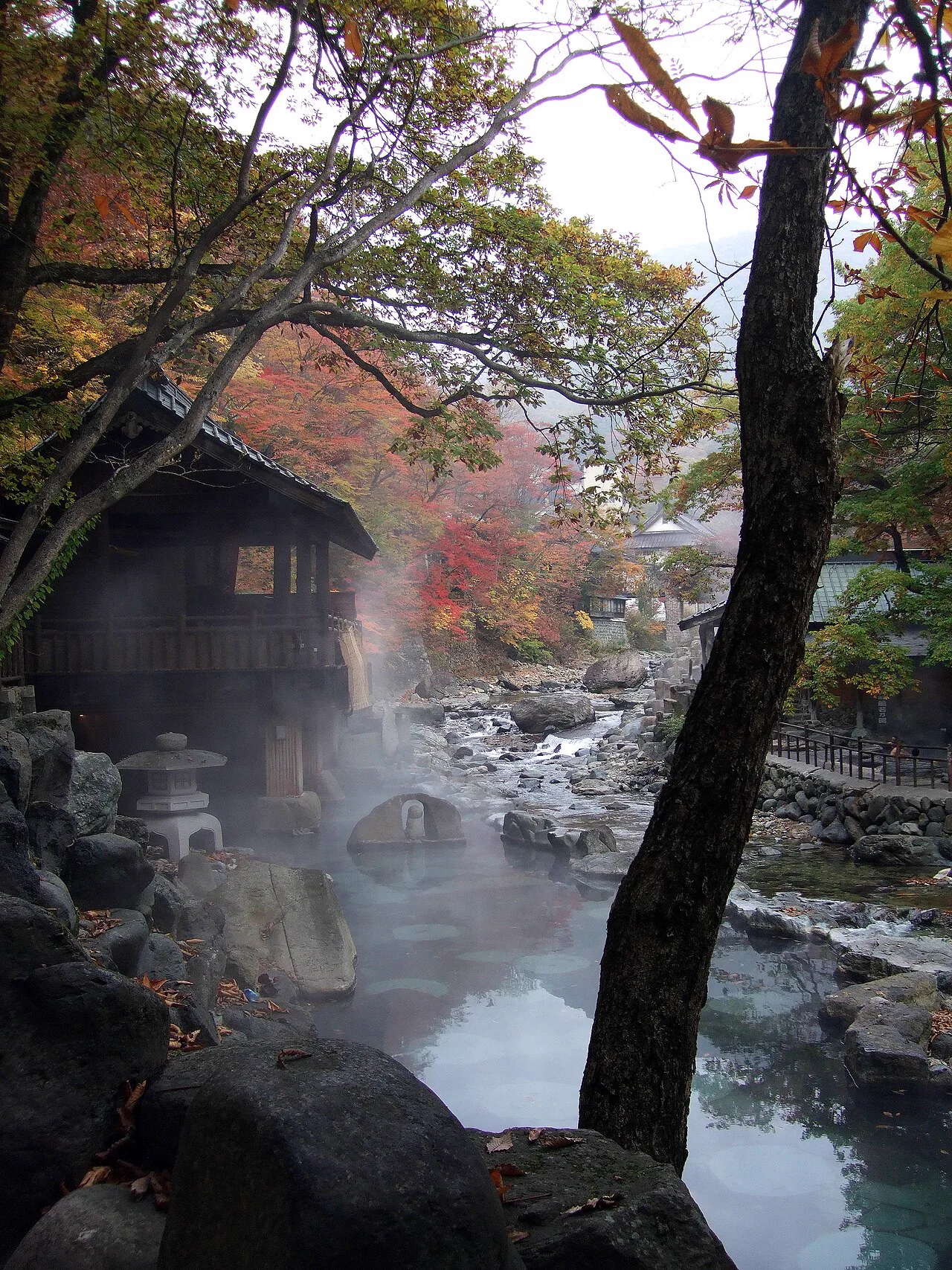
Atagawa Prince Hotel Day-Use Onsen: What the ¥1,300–¥1,800 Entry Includes
Atagawa Prince Hotel’s day pass covers 12 baths, rooftop views, sauna and towels. Check seasonal rates, shuttle access and tattoo rules.
Atagawa Prince Hotel is a good fit when you want the bath itself to fill an afternoon. The day-use ticket covers its gender-separated public baths and rooftop open-air baths, with towels provided; the hotel advertises 12 different tubs and has a sauna in each main bath area. It feels closer to spending a few hours at a resort hotel than dropping into a small neighbourhood bathhouse.
If your priority is simply a quick, inexpensive soak, a town bath may be the better call. Atagawa Prince suits visitors who want to settle in for several hours, move between bathing areas and take in the sea from the rooftop. The old seaside bath Takaiso-no-Yu is closed, so do not treat it as a second stop on the same trip.
| Day-use admission | Most months | February, March and August |
|---|---|---|
| Adults | ¥1,300 | ¥1,800 |
| Children aged 4 through elementary-school age | ¥900 | ¥1,400 |
Admission begins at 3 p.m.; last reception is 9 p.m., and guests must leave by 10 p.m. The hotel may turn away day visitors when busy, especially during holiday periods. Call ahead if bathing is the main reason for your trip.
The higher rate is tied to the month, not just to weekends. February and March overlap with early-spring trips to see Kawazu cherry blossoms, so use the ¥1,800 rate for those visits rather than budgeting from the regular ¥1,300 admission. August is also a higher-price month.
The practical details
| Day-use detail | Current information |
|---|---|
| Adult admission | ¥1,300; ¥1,800 in February, March and August |
| Child admission | ¥900 for ages 4 through elementary school; ¥1,400 in the higher-price months |
| Bathing hours | From 3 p.m.; last reception 9 p.m.; leave by 10 p.m. |
| Towels | One bath towel and one face towel are lent to each guest |
| Facilities | Main public baths, rooftop open-air baths and saunas |
| Tattoos | Not permitted, including tattoo stickers |
| Station access | Around 10 minutes on foot, with a steep uphill stretch and stairs |
The hotel’s FAQ is the place to recheck hours and rates before setting out. Its day-use page says the baths may be unavailable to visitors when the hotel is busy, and seasonal rates are not the same as the regular-month price.
A lot of water to choose from, but one source temperature
The variety is the draw: you can move between different bathing spaces without getting dressed and walking to another facility. It does not mean there are 12 different spring types.
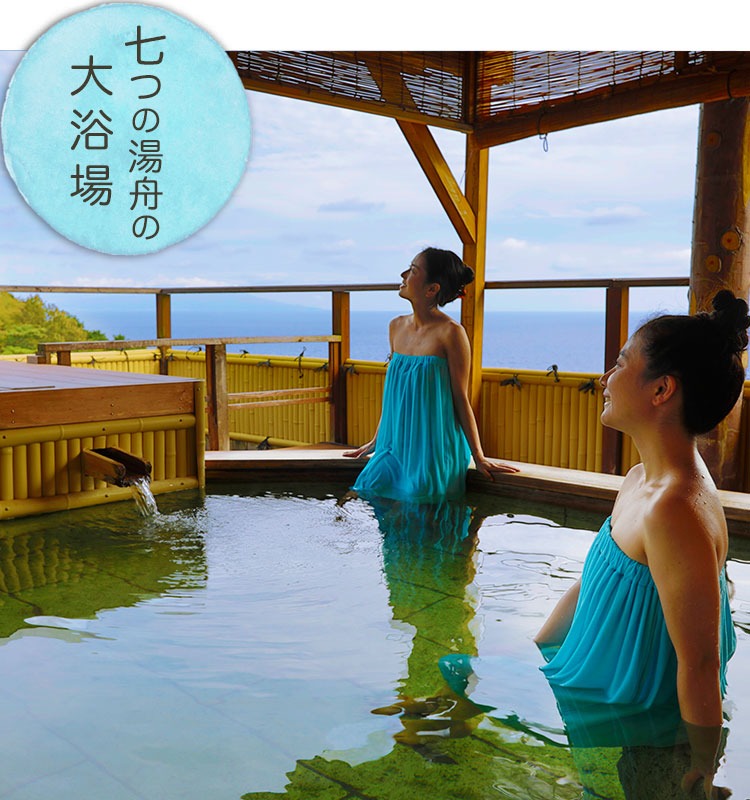
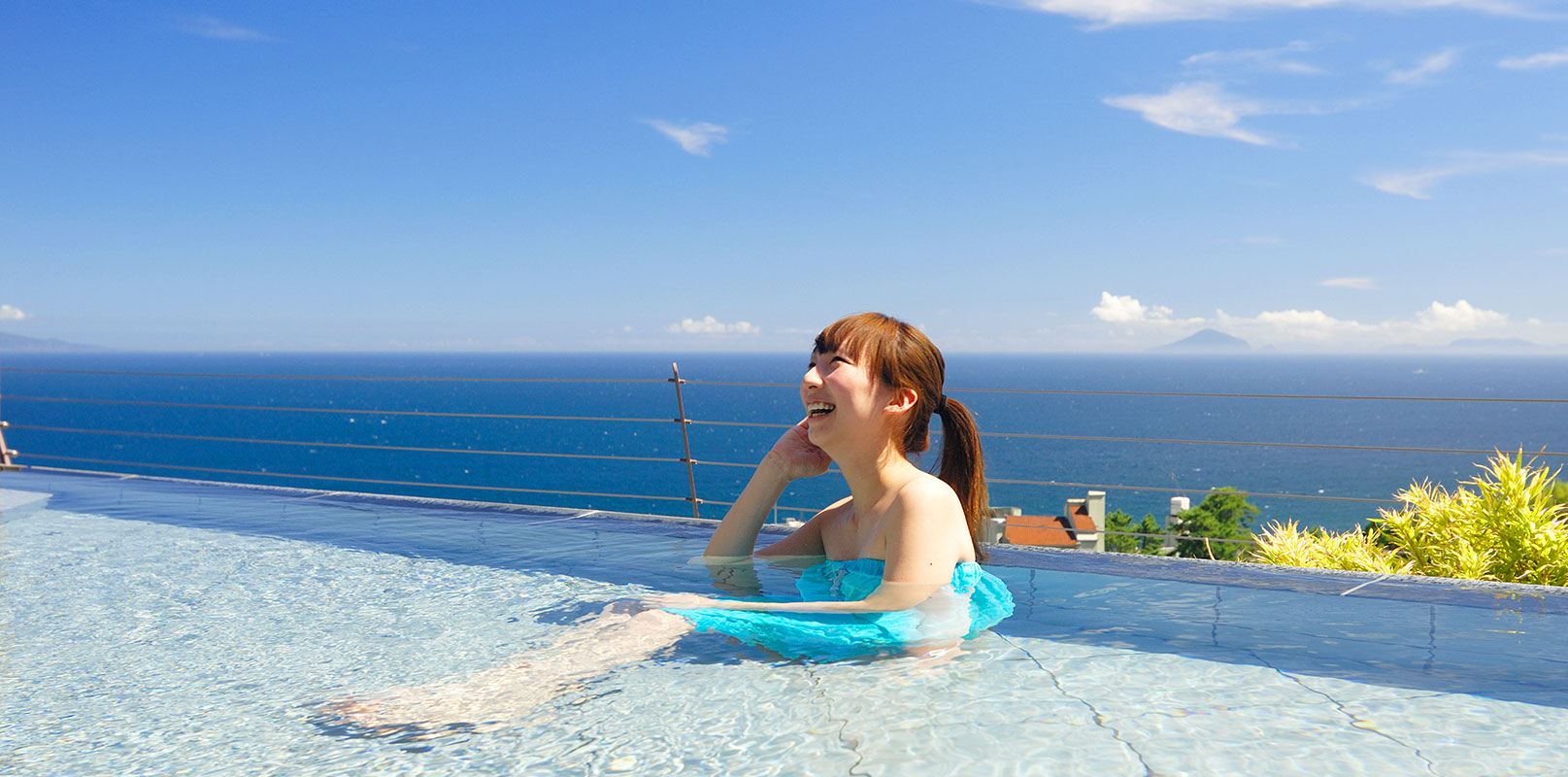
The 12 tubs are spread across two main baths: Umiiro has seven tubs and a sauna, while Sorairo has five tubs and a sauna. Above them, the gender-separated rooftop Tenku bath opens to the sea and sky. That setting is the clearest difference from a small municipal bath; it is also outdoors, so the view depends on the weather.
The hotel’s current materials describe two sources, with Tamano-yu presented as the main source for its bath information. The distinction matters: the headline count refers to bathing tubs, not independent springs or different water qualities. For most day visitors, the practical value is being able to change settings without leaving the building.
The hotel identifies its Tamano-yu source at 99.4°C and pH 8.4. That is the source temperature, not the temperature of a bath. The water is cooled with added water; the hotel also notes that some tubs use recirculation and filtration, with chlorine-based disinfectant used in part of the facility. So “spring water” here does not mean every bath is untouched water flowing straight from the source.
The published classification is a sodium-chloride-sulfate spring, weakly alkaline and high-temperature. The analysis also lists metasilicic acid at 218.8 mg/kg. These figures describe the source; they do not mean every tub has identical water handling. The hotel notes that some baths use recirculation and filtration, with chlorine-based disinfection in part of the facility.
If you tend to avoid very hot baths, ask which tubs are gentler on the day. The source temperature alone cannot tell you how warm each bathing pool will feel.
Getting there: take the shuttle up the hill
Atagawa Prince sits above Izu-Atagawa Station. The walk is roughly ten minutes, but the hotel specifically warns that it includes a steep climb and stairs. Its courtesy shuttle meets arriving trains from around 2:30 p.m. until about 5 p.m.; if you cannot see the hotel bus at the station, call the front desk. Morning trips back to the station run at set times, which can change with the railway timetable.
Those shuttle details are geared mainly to overnight guests. For a late day-use visit, ask about the return journey before you enter rather than assuming a bus will still be running at closing time. Drivers can use the hotel’s free outdoor parking, including day visitors.
Tattoo and family rules are unusually explicit
The hotel refuses entry to anyone with a tattoo, regardless of size or occupation. Its policy also includes tattoo seals and stickers, so covering a design is not an exception.
For mixed-gender bathing, children aged six or older, or children at least 120 cm tall, may not enter a public bath with someone of the opposite sex. Both the age and height limits matter when planning a family visit.
Don’t make Takaiso-no-Yu your backup
Older Atagawa itineraries may still send visitors to Takaiso-no-Yu, the former seaside open-air bath. Higashiizu Town says the facility was closed after visitor numbers fell, maintenance costs became an issue and the spring supply proved limited; the town says it is still considering whether reopening is possible. There is no reopening date to plan around. Check the town’s latest notice rather than relying on old travel pages.
If your priority is an open-air bath by the water, look for an operating facility elsewhere along the Izu coast and check its current hours before travelling. The town’s own notices are the safest way to confirm whether Takaiso-no-yu has reopened.
For a currently listed seaside bath, consider Hokkawa’s Kuro-neiwa Buro, but check its hours and access separately. It is not a substitute next door: you will need to plan the journey along the coast.
Is it worth the higher price than a town bath?
For a quick soak, a small public bath may cost less. Atagawa Prince makes more sense if you want several bathing spaces, a rooftop view and a sauna in one visit, or if you have arrived without your own towel. The higher fee in February, March and August is easy to miss during the cherry-blossom season, so budget using the month you will actually visit.
Before you go
- Check the day-use page or call first; admission may be restricted when the hotel is busy.
- Bring a payment method for the seasonal rate if visiting in February, March or August.
- Use the shuttle if walking steep hills or stairs is uncomfortable.
- Leave tattoos and tattoo stickers out of the bathing plan.
- Confirm your return transport before entering, particularly for an evening visit.
Quick answers
How much is the bath in February? The seasonal adult rate is ¥1,800; the regular-month rate is ¥1,300. The higher-price months are February, March and August, not simply weekends.
Is 99.4°C the temperature of the baths? No. It is the reported source temperature. The hotel adds water to manage the heat, and it does not publish one fixed temperature for all 12 tubs.
Can a tattoo be covered with a sticker? The hotel’s rule includes tattoo seals and stickers, so covering it does not make bathing permitted.
Can a child bathe with a parent of another gender? Not if the child is six or older, or at least 120 cm tall. Both the age and height limits are relevant.
Can I walk from Izu-Atagawa Station? It takes around ten minutes, but the route includes a steep uphill section and stairs. Use the shuttle if that climb is difficult; ask about your return trip before entering for a late bath.
Is Takaiso-no-Yu open? It remains closed, with no reopening date to plan around. Check Higashiizu Town’s latest notice rather than relying on older itineraries.
Related guides
- Kawazu Odoriko Onsen Kaikan
- Hokkawa Kuro-neiwa Buro
- Shimoda Prince Hotel day-use bath
- Atami day-use onsen comparison
Sources
- Atagawa Prince Hotel: Day-use bathing, prices, hours and rules
- Atagawa Prince Hotel: Hot-spring source and water-management notes
- Atagawa Prince Hotel: Access and shuttle information
- Higashiizu Town: Takaiso-no-yu reopening discussion
Tags: Atagawa Onsen, Izu day-use onsen, Atagawa Prince Hotel, rooftop onsen, tattoo rules in Japan