Kamisuwa Onsen in Every Season: When to Walk, Soak and Stay by Lake Suwa
Plan a Kamisuwa visit around Katakurakan's seasonal hours, Suwakko Land's summer pool and Lake Suwa events that can affect transport and access.
In Kamisuwa, the season changes how much of the day you will want to spend outdoors. The bath itself is only one part of the decision: Katakurakan’s historic building has seasonal sightseeing hours, Suwakko Land’s outdoor pool is seasonal, and lake events can affect local access. Check the relevant calendar before fixing your travel dates.
Spring: leave room for a slow lakeside walk
Spring works well for a first visit that pairs Lake Suwa with Katakurakan. Start with a walk along the shore, then visit the bath or the building while you are already in the area. Mornings and evenings can still feel cool, so keep an indoor stop available instead of making the whole day depend on a long walk.
Katakurakan’s unguided building visits currently run 10 am–5 pm from March through October, then 10 am–4:30 pm from November through February. This is separate from bathing admission and schedule. The facility can also close a tour route for maintenance or events; check its current visit information before going.
Summer: check event access and pool dates first
Summer adds the outdoor 50-metre pool at Suwakko Land, which the facility lists as a seasonal attraction from mid-June to early September. Its exact calendar can change, and pool use may be affected by lessons or events. Look at the current pool information and calendar before making a family day around it.
Major lake events, including the August fireworks, can bring road restrictions and crowded transport. If your main reason for visiting is an event, plan the route and lodging around the latest local notices; do not assume the usual drive, parking or train departure will work on the day. For a quieter summer visit, go to the lake earlier and keep the bath as the flexible part of the itinerary.
Autumn: make time for the building as well as the water
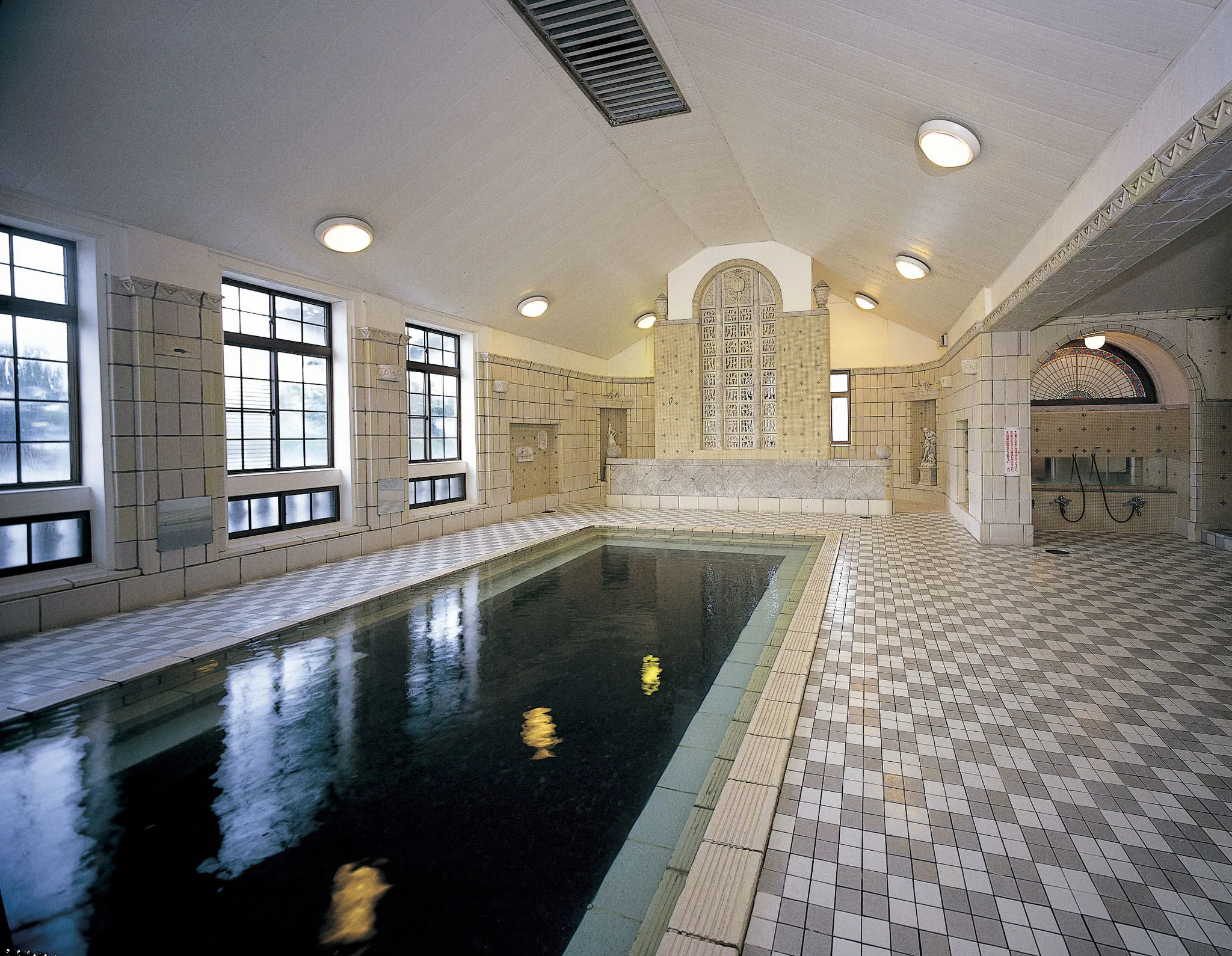
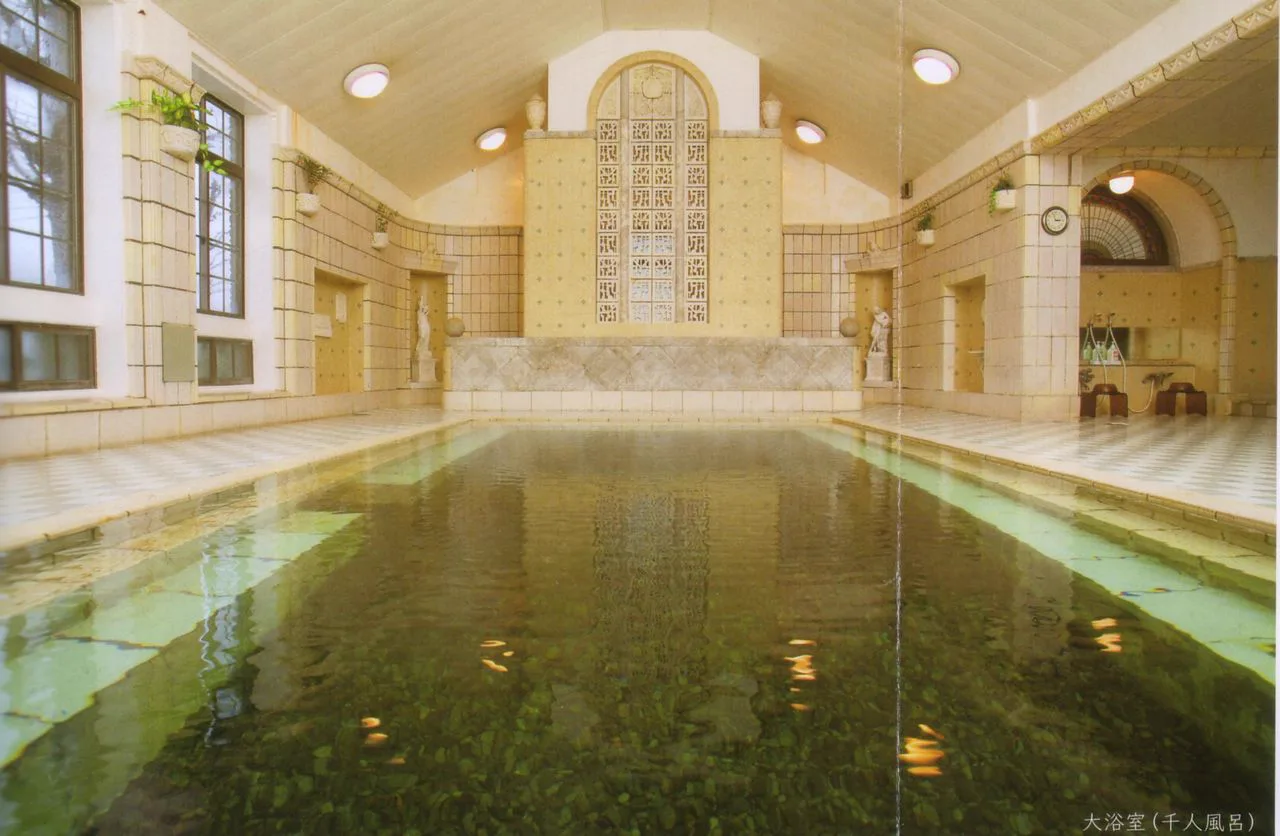
Autumn is a comfortable season for combining the lakefront with a historic stop. Katakurakan’s main building is a 1928 work by architect Matsunosuke Moriyama and has been designated an Important Cultural Property. If you want to see inside, decide between a self-guided visit and the bookable guided tour; they have different hours, group limits and fees. Bathing alone does not include a tour.
For a short visit, walk between Kamisuwa Station, Katakurakan and the lake rather than adding a distant facility. If you have most of the day and want a pool or an extended indoor break, Suwakko Land is the better fit, but arrange the trip from town separately.
Winter: keep the evening route short
Winter daylight is shorter, so leave the lakefront walk for the warmest part of the day. Katakurakan’s building visit hours also end earlier in winter, at 4:30 pm; the bath has its own schedule. After soaking, staying near Kamisuwa Station or using a property with a clear shuttle plan can reduce a cold evening transfer.
If rain, snow or road conditions make the lakeside less appealing, shorten the outdoor portion rather than adding extra transfers. Keep the bath and dinner as fixed parts of the day, with sightseeing as the flexible element. Check rail, bus and inn notices before departure if conditions are poor.
Choose the right base for the season
The station area is practical in winter and on a rail-only trip because it keeps luggage and transfers manageable. A lakeside stay makes more sense when you want a morning walk or have booked a room for the view. During summer events, confirm whether your hotel is actually reachable by your planned route and whether it offers pickup; “lakeside” alone does not guarantee a clear view or easy access. In spring, compare breakfast and the walk to Katakurakan; in summer, check the room’s actual fireworks view and event-day access; in autumn, luggage storage can make a lakeside walk easier after checkout; in winter, give dinner, bath access and a short route back more weight than the view.
One night or two?
With one night, choose a single main visit—Katakurakan and the lakefront, or a longer block at Suwakko Land—and leave the other for another trip. Trying to add Suwa Shrine, both bath facilities and the lake on arrival day can leave every stop rushed. Two nights give you room to separate the station-side historic bath from a pool or shrine visit, and you can stay at one inn rather than lose time moving luggage between a station hotel and the shore.
When comparing stays, treat transport, scenery, bath access and the time you will spend at the property as separate factors. A lake view does not compensate for an event-day transfer you cannot make, and a private bath may have little value if your day is spent elsewhere. Re-rank the priorities for your season and travel party instead of treating one room score as universal.
If you have only a few hours, use the Kamisuwa day-trip itinerary to choose a bath by available time. For an overnight plan, see the one-night Kamisuwa itinerary for arrival-day and departure-day pacing.
Compare Kamisuwa inns, room plans and access before choosing dates.