Where to Stay in Kamisuwa Onsen: Station Access, Luggage and Lakefront Ryokan
Compare Kamisuwa ryokan by train access, lakefront location, luggage storage, parking and dinner timing before choosing where to stay.
In Kamisuwa, “convenient” depends on what you need to carry and where you plan to go next. A rail traveller with large bags may value a station-area inn more than a lake view. A driver can make better use of a lakefront property, but still needs to check parking and the route on event days. Before comparing room upgrades, confirm the arrival, dinner and departure details that shape your actual stay.
Arriving by train
The Suwa Onsen Ryokan Cooperative describes the hot-spring district as roughly a 5–10-minute walk from JR Kamisuwa Station, though the walk to each individual inn varies. Check the property’s own directions and whether it offers a pickup service; do not assume that a shuttle runs whenever you need one.
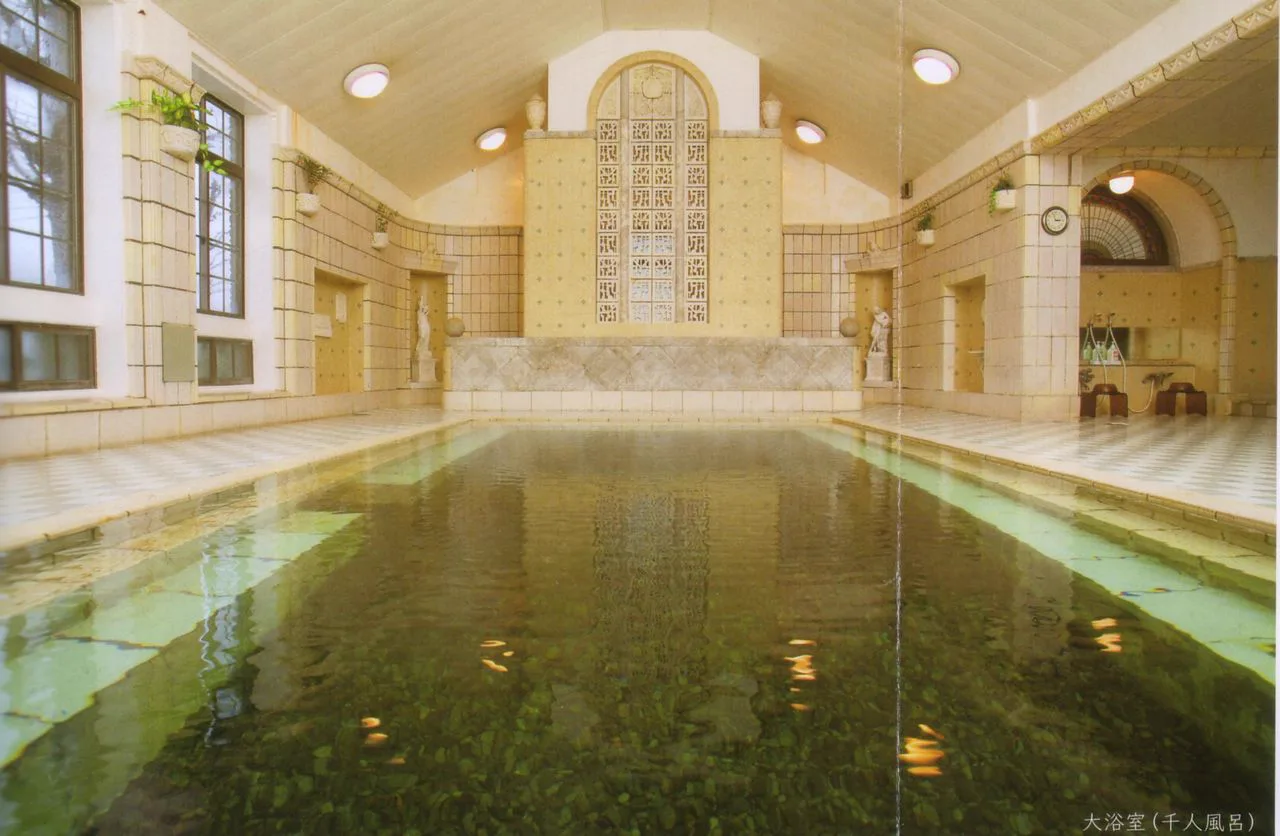
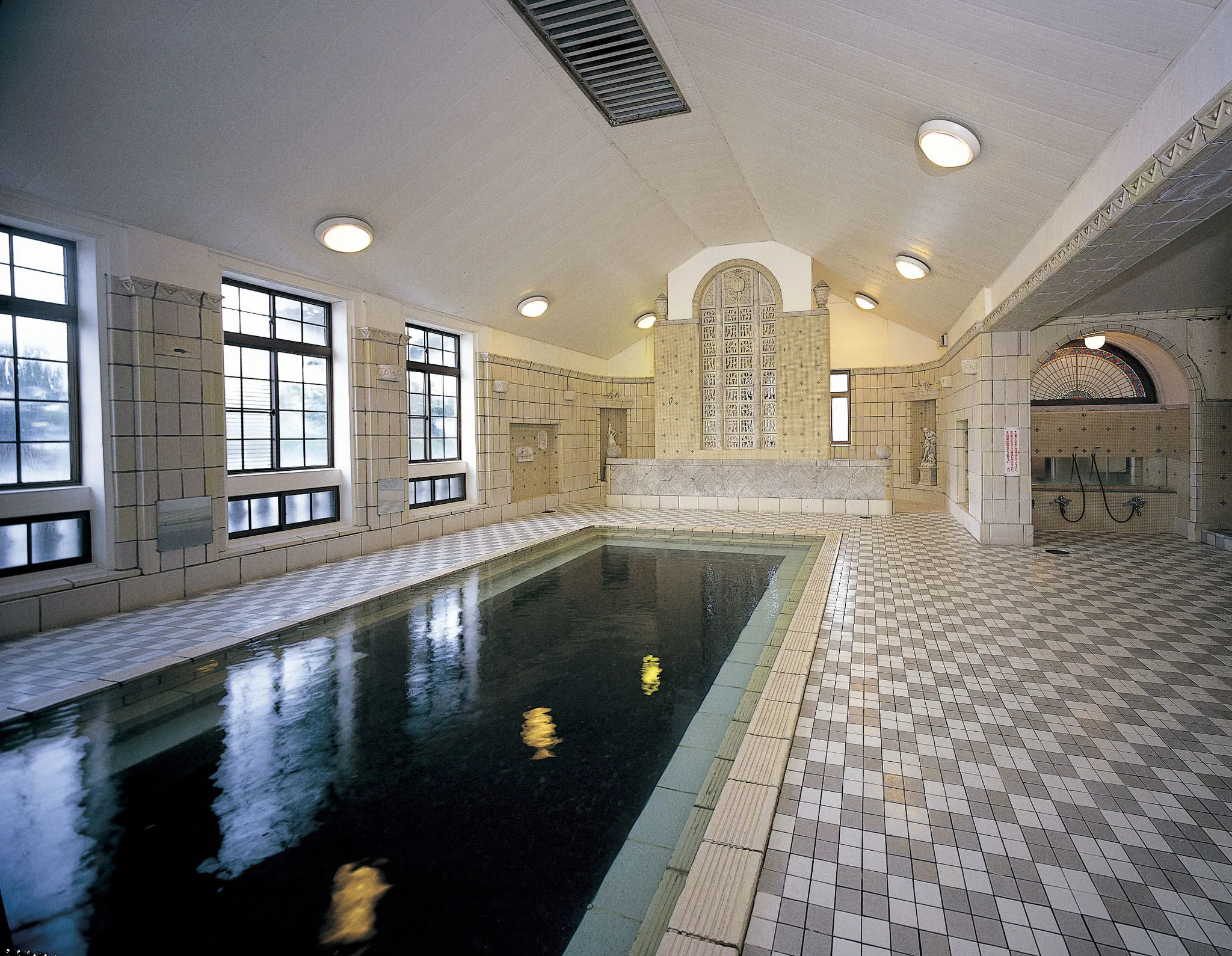
Katakurakan is eight minutes on foot from the station, making it a useful stop before check-in or after leaving your bags. Its bath has a last entry time, so check that separately from the inn’s check-in and dinner schedule. If you plan to bathe there on arrival day, ask the inn whether it can hold luggage before the room is ready.
For the return trip, confirm the inn’s checkout time, bag-storage policy and distance to the station. A property may be walkable on a map but less comfortable with a suitcase in rain or snow. If the inn has a shuttle, ask about its departure times and whether you need to book a seat.
Arriving by car
Driving gives you more flexibility for attractions beyond the station area, including Suwakko Land, but check the inn’s parking arrangements before booking. Suwakoen lists free parking for 40 cars. Its lakeside location may suit a trip built around the waterfront, while the station-area route is not an issue if you are driving between stops.
Suwakko Land is about 5 km from the Suwa Interchange; its official access page estimates around 10 minutes by car and lists parking for 362 vehicles. This can work well for a family half-day, but check facility schedules and pool seasons separately. On major Lake Suwa event dates, official notices may include temporary road or parking restrictions. Verify the event-day route before setting off.
Winter visitors should check the inn’s advice on road conditions and parking access. A room’s view does not tell you whether the approach road, parking area or entrance will be easy to use in bad weather.
Travelling with heavy bags or an older companion
Ask about luggage storage before arrival and after checkout, including where bags are held and the pickup deadline. That answer can decide whether you can visit Katakurakan before check-in or spend part of the next day by the lake.
If someone in your party has limited mobility, confirm the route between the entrance, room, dining room and bath. Katakurakan’s Sen-nin Buro is about 1.1 metres deep, which may not suit every bather. An inn’s private bath or in-room bath may be a better fit, but check the specific room plan and access conditions rather than relying on a general property description.
A seven-factor access comparison
| Stay pattern | Bath comfort | Bath variety | Upkeep impression | Scenery | Quiet | Access | Overall fit |
|---|---|---|---|---|---|---|---|
| Within walking distance of the station | 7.5 | 7.5 | 8.0 | 7.5 | 7.5 | 9.5 | 8.5 |
| Lakeside inn with a pickup | 8.5 | 8.0 | 8.0 | 9.5 | 8.0 | 8.0 | 8.5 |
| Lakeside inn for drivers | 8.5 | 8.0 | 8.0 | 9.0 | 8.0 | 8.5 | 8.0 |
Treat these as editorial starting points, not fixed ratings. A station hotel gains value for a rail arrival and early train; a car changes the access score, while winter weather can make the distance back from the bath more important than the view.
Dinner and bathing are part of the transport plan
Dinner hours can determine whether you have time to visit a public bath before returning to the inn. Ask about the latest arrival time for dinner, meal start times and whether the property can accommodate a late check-in. If you expect to use the inn’s own bath, check when the public bath is open and how far it is from your room.
For a first night, a station-area property can keep luggage, Katakurakan and the train in one short route. A lakefront inn works better when the lake itself is part of the stay and you have confirmed transport or are comfortable walking. The station-area versus lakeside comparison looks more closely at that choice; the one-night itinerary shows how to fit the bath and lake into two days.
Work backward from your departure
Fix the train or drive-away time first, then count back through breakfast, checkout, bag collection and the walk to the station. If Katakurakan is your departure-day stop, include time to bathe, change and retrieve luggage; for Suwakko Land, add the return ride as well. Ask the inn when it can hold bags and whether pickup times fit your train rather than assuming a shuttle is available all day.
To compare individual lakefront inns, see the Kamisuwa lakeside ryokan comparison.
Check the exact route, luggage arrangements, dinner cutoff and bath hours with the property.