Miharuen or Tsukigase Onsen? A Nara Day-Trip Comparison
Miharuen costs ¥550 and has a Haibara shuttle; Tsukigase costs ¥800 and adds an outdoor bath, sauna and hilltop setting.
Checked: September 27, 2026
If you are travelling without a car, Miharuen is usually easier to plan. Its free shuttle runs between the hotel and Haibara Station during the day, though the last return leaves at 5 p.m. Tsukigase is the more compelling destination if you are already exploring the countryside, especially around the plum-blossom area; reaching it by public transport takes more planning.
| Miharuen | Tsukigase Onsen | |
|---|---|---|
| Adult day admission | ¥550 | ¥800 |
| Children | ¥270 up to elementary-school age; under 3 free | ¥400 for elementary-school children; younger children free |
| Bathing hours | 10 a.m.–7:45 p.m.; last entry 7:15 p.m. | 10:30 a.m.–8:30 p.m.; last entry 8 p.m. |
| What stands out | Sodium bicarbonate spring, pH 8.9; heated and circulated/filtered | Outdoor and view baths, sauna, and a source bath around 30°C |
| Easiest access | Free daytime shuttle from Kintetsu Haibara Station | Rural location; allow for the bus timetable or drive |
| Best fit | Short, lower-cost soak near Haibara | A longer stop paired with the Tsukigase area |
The ¥250 difference buys a different kind of visit
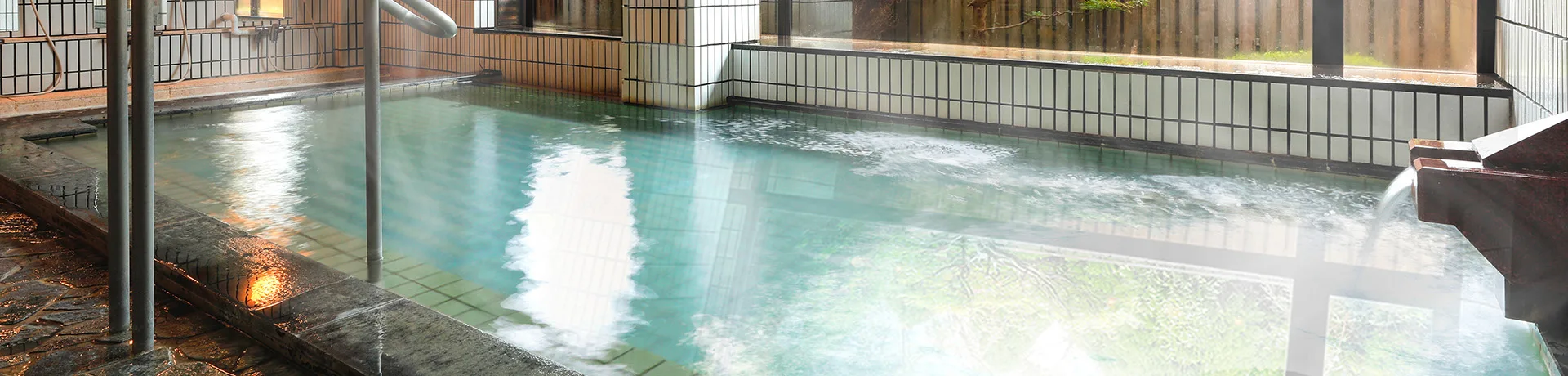
Miharuen’s public bath is part of a hotel, and the operator lists a straightforward day-use rate. Its spring is identified as sodium bicarbonate water with a pH of 8.9. The same page says it is heated and circulated through filtration, so this is not a free-flowing-source bath.
For two adults, the entrance-price gap comes to ¥500; a family pays a wider difference. That still does not make the cheaper bath the automatic choice. Miharuen’s low rate and simple public bath suit a short soak near Haibara, while Tsukigase has enough pools and scenery to make the bathing stop part of a longer rural outing.
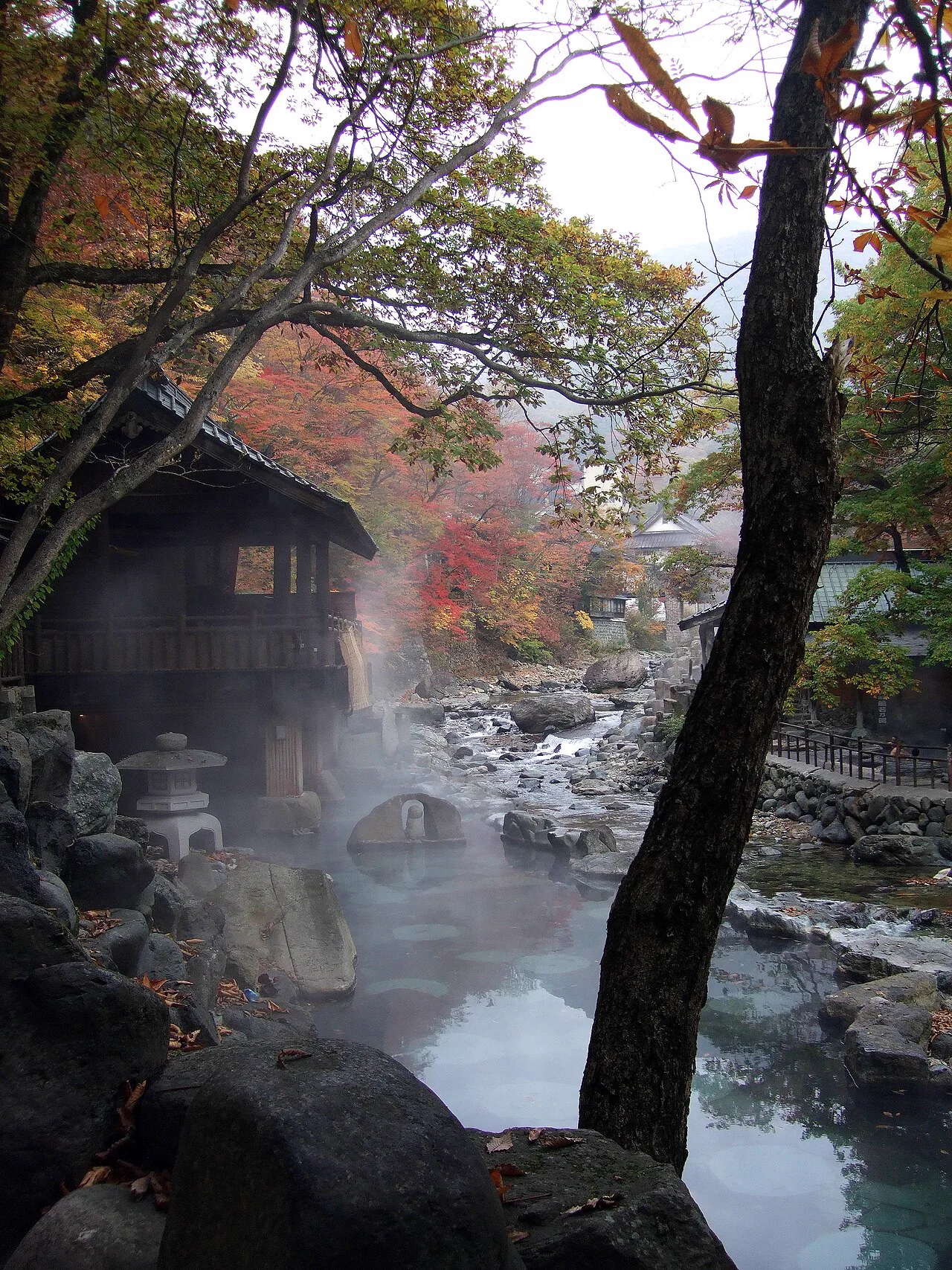
Tsukigase has more to do inside the bathing area: indoor and outdoor baths, a sauna, a cold bath, and a source bath. The source is listed at 30.5°C; the operator notes that the source bath itself is around 30°C. Don’t use that figure as the temperature of the other pools. The view bath is accessed from the “Cha-no-yu” side, and the men’s and women’s sides switch by calendar day; weather can also close the elevated bath.
That makes Tsukigase a better match for someone who enjoys moving between baths and wants to stay awhile. If you mainly want a hot soak before heading back to Haibara, Miharuen’s simpler setup and lower entry price make more sense.
The shuttle helps, but it does not run until closing
Miharuen’s shuttle leaves Haibara Station at ten minutes past each hour from 10:10 a.m. to 5:10 p.m. Return trips leave Miharuen on the hour from 10 a.m. through 5 p.m. The bath stays open later than the shuttle, so don’t plan on the free ride back after an evening soak. Arrange another way back if you intend to stay late.
Tsukigase Onsen is open until 8:30 p.m., with last entry at 8 p.m. Tuesday is normally its closing day, though it opens on public holidays; the facility says it operates every day in February and March. The countryside setting is part of the appeal, but that also makes a spontaneous evening visit harder. Check both directions of public transport before setting out.
For drivers, Miharuen fits naturally into a Uda, Haibara or Murō day and lists 130 free parking spaces. Tsukigase is the better anchor for a visit to the plum valley; its rural approach can involve narrower roads, so follow the facility’s access guidance rather than judging the trip by distance alone.
The on-site restaurant is listed from 11 a.m. to 8:30 p.m., last order 8 p.m., but special shortened hours have been announced. Miharuen also accepts day-use diners; check each venue’s current service before planning dinner.
Tsukigase is cash-only and bars tattoos, tattoo stickers and painted tattoos. Miharuen gives no day-visitor tattoo rule; ask the hotel before going if you need a definite answer. Its reservable private bath is limited to overnight guests, so it is not an alternative for a day visit.
Which one belongs in your itinerary?
Pick Miharuen if you are staying near Haibara or travelling on the Kintetsu Osaka Line, want to keep admission low, and can fit your visit around the shuttle. Choose Tsukigase if the countryside is already part of the day, you want an outdoor bath or sauna, and you can spare time for the journey.
Miharuen also lists a private bath at ¥2,500 for 45 minutes, but it is reserved for overnight guests; it is not a day-use upgrade. For towels, Tsukigase lists a ¥150 face towel and ¥350 bath-towel rental, while soap and shampoo are provided. Miharuen’s spa page lists amenities but does not clearly say which are included in the day-use ticket, so confirm if you are travelling without supplies.
On tattoos, Tsukigase explicitly refuses tattoos, stickers and painted designs. The reviewed Miharuen material does not settle a day-visitor policy; contact the hotel rather than treating silence as permission.
The full Nara day-use onsen guide compares these rural stops with baths closer to the city.
Sources
Checked September 27, 2026. Source article: `nara-miharuen-vs-tsukigase-onsen.md`. - [Miharuen: day-use baths, price, hours and spring details](https://www.miharuen.jp/spa/) - [Miharuen: access and shuttle timetable](https://www.miharuen.jp/access/) - [Tsukigase Onsen: hours, admission, closing days and payment](https://tsukigaseonsen.com/) - [Tsukigase Onsen: spring and bathing facilities](https://tsukigaseonsen.com/?page_id=7) - [Tsukigase Onsen: baths, sauna, view bath and tattoo policy](https://tsukigaseonsen.com/?page_id=57)Tags: Nara onsen, Miharuen, Tsukigase Onsen, Nara day trip, rural hot springs