Sakihana Onsen in Winter: Choose a Bath, Then Check the Train
Plan a simple winter visit to Sakihana: confirm one bath and your return train, then allow for icy paths, colder outdoor water and early darkness.
Sakihana is easier to reach than a remote snow-country onsen, but don’t carry a summer itinerary straight into winter. The six inns sit within walking distance of JR Sakihana Station; the exact walk depends on which inn you choose. With cold weather and limited train options, a single confirmed bath is usually more comfortable than trying to collect several stamps or visit three inns in one afternoon.
Pick a bath by how much certainty you need
Day-use admission is handled by individual ryokan, not by a central public-bath desk. Gosen Tourism Association says all six inns offer day bathing, but each sets its own hours and asks visitors to check acceptance directly. A bath’s general guest hours do not guarantee that day visitors can enter at the same time.
| Satorikan day-use detail | Current listing |
|---|---|
| Bathing window | 11 a.m.–3 p.m.; last reception 2 p.m. |
| Adult / child admission | ¥1,000 / ¥500 |
| Included | Small towel |
It can still refuse visitors when busy, so confirm before you travel.
Bousenkaku’s day-use timing is less predictable because admission and the available bathing window depend on bookings, cleaning and maintenance. The inn advises calling after 10:00 am on the day.
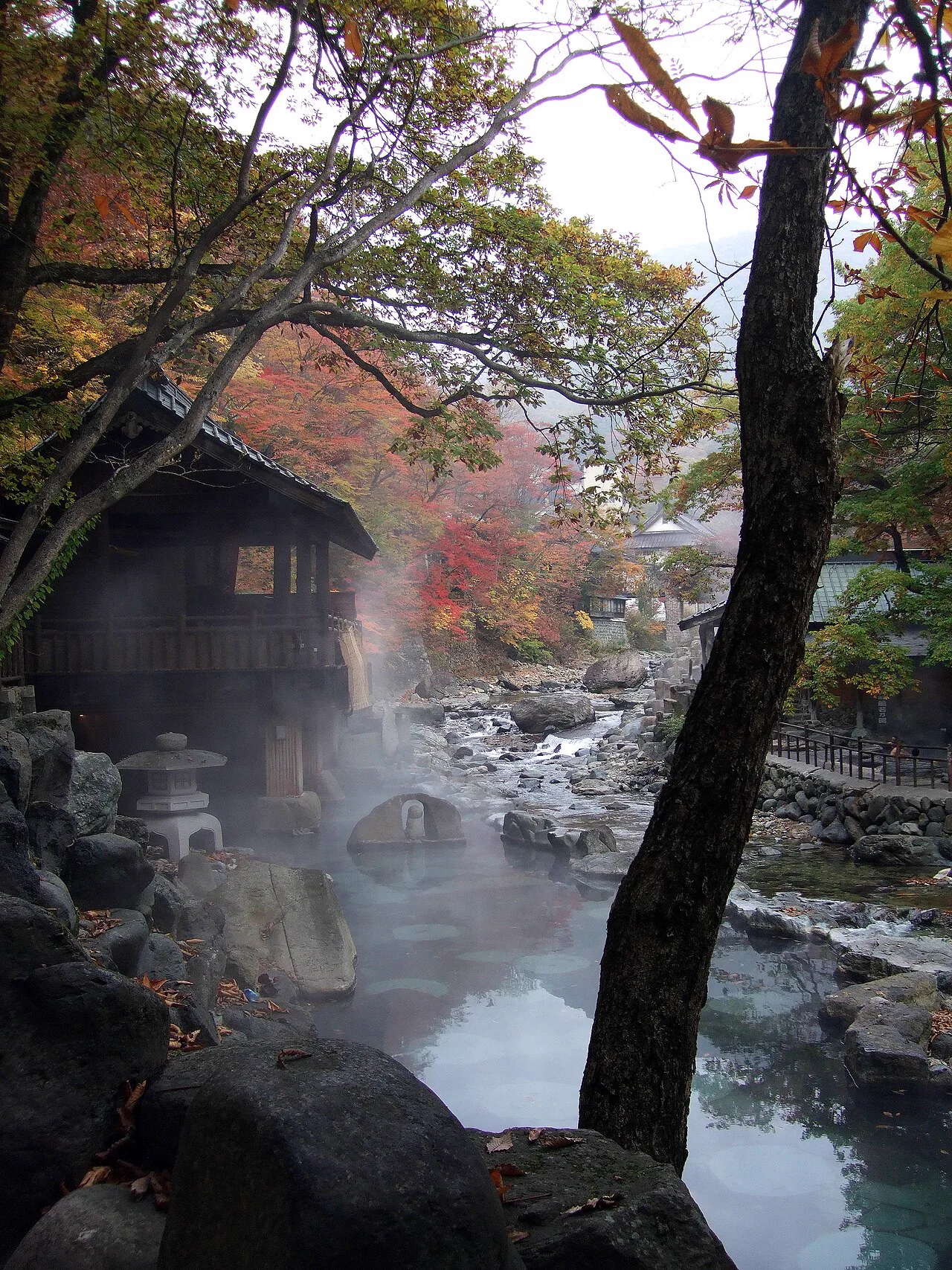
Its outdoor bath is 100% source-fed, and the inn warns that the water can cool in winter. If the view matters more than a reliably warm outdoor pool, start indoors and keep the outdoor soak short if the water feels cold.
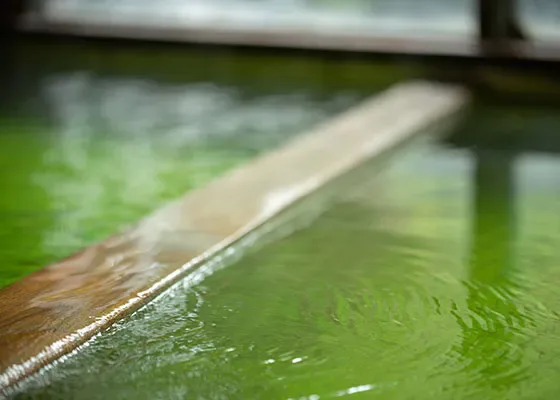
Issuiso’s day-use reception starts at 11:00 am, but the end time changes with the day’s lodging demand; the inn asks visitors to call that day. It explains that spring water continues to flow through its baths, while winter operation includes heating and circulation/filtration to maintain a comfortable temperature. If you care more about a clearly explained winter water-management approach than an unheated outdoor bath, Issuiso is worth asking about.
| If your priority is… | Start with… | What to confirm |
|---|---|---|
| A published daytime window | Satorikan | Same-day acceptance; last reception is listed as 2:00 pm |
| A source-fed outdoor bath and river panorama | Bousenkaku | Whether it is accepting day visitors and the actual arrival window; outdoor water may cool in winter |
| A clear explanation of winter water treatment | Issuiso | The day’s final reception time; its posted window changes with bookings |
These are different choices, not a ranking. Compare the other inns and current day-use conditions in the Sakihana six-inn day-bath guide before committing to a longer outing.
Leave room for the walk and the weather
There is no local bus between JR Sakihana Station and the hot-spring cluster; the inns are within walking distance. In winter, that does not make every path flat or ice-free.
After snow, thawing or a hard freeze, allow extra time to reach the inn, wear grippy shoes and avoid rushing back for a train. Ask your chosen inn about the exact route if you have mobility concerns or a suitcase.
Keep the riverside walk optional. In cold wind, snowfall or icy conditions, spend less time outside and go straight to the bath. It gets dark early in winter, so check the return train before boarding the outbound service, then leave the inn with a comfortable margin. JR timetables and operating notices can change; use JR East’s current information for your travel date rather than copying sample times from an older guide.
A three-hour visit that doesn’t feel rushed
For a straightforward afternoon, choose a single inn, phone to confirm admission, and build the station walk and train buffer around its latest reception time. Satorikan’s published window gives the clearest starting point. At Bousenkaku or Issuiso, wait for that day’s confirmation before deciding how long to stay in the area.
If you were hoping to use the Sakihana Yumeguri Pass for three baths, only do so once each inn has confirmed a compatible same-day window. Changing, drying off and walking outdoors between baths take longer in winter; one or two visits may be more pleasant than trying to complete the circuit. The Sakihana Yumeguri Pass route guide explains the multi-bath option.
When an overnight stay makes more sense
A day visit works well when one inn confirms a time that fits the train. Stay overnight if you want to bathe again after dark or the next morning, would rather not watch the clock on a cold day, or are uneasy about winter rail disruption. Longer bath access is a guest benefit; it does not extend the public day-use window.
For help choosing between a short visit and an overnight stay, see the Sakihana stay-versus-day-trip comparison. The car-free half-day guide covers the station-to-river route in more detail, though shorten the outdoor portion if the ground is snowy or icy.
Sources
- [Bousenkaku: bathing facilities, winter outdoor bath and day-use rules](https://www.bousenkaku.co.jp/spa/) - [Issuiso: baths, seasonal water management and day-use details](https://www.issuisou.com/onsen/) and [day-use FAQ](https://www.issuisou.com/qa/) - [Satorikan: day-use bathing hours and admission](https://peraichi.com/landing_pages/view/nyuyoku) - [Gosen City: Sakihana access and station information](https://www.city.gosen.lg.jp/organization/13/7/3/1/1702.html) - [Gosen Tourism Association: six Sakihana inns and day bathing](https://gosen-kankou.niigata.jp/information/7503/) - Photo credit: [Issuiso](https://www.issuisou.com/)Checked: September 30, 2026
Tags: Niigata, Gosen, Sakihana Onsen, winter travel, day-use onsen, JR travel