Kotoku Onsen in Imazato: A Neighborhood Sento with a Showa-Era Ceiling
Kotoku Onsen is six minutes from Imazato Station, with a dry sauna, medicinal bath and late hours; its current listing does not document a natural spring.
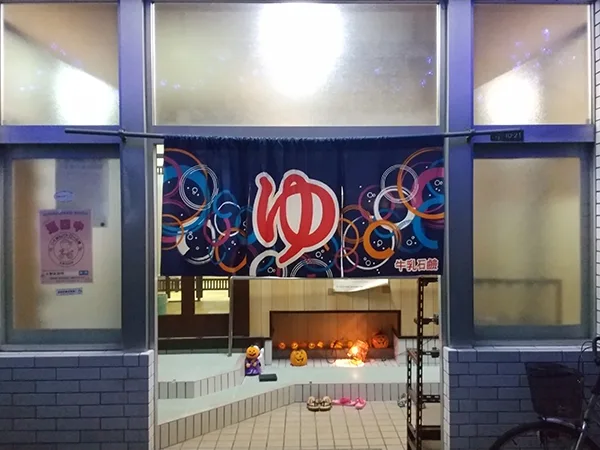
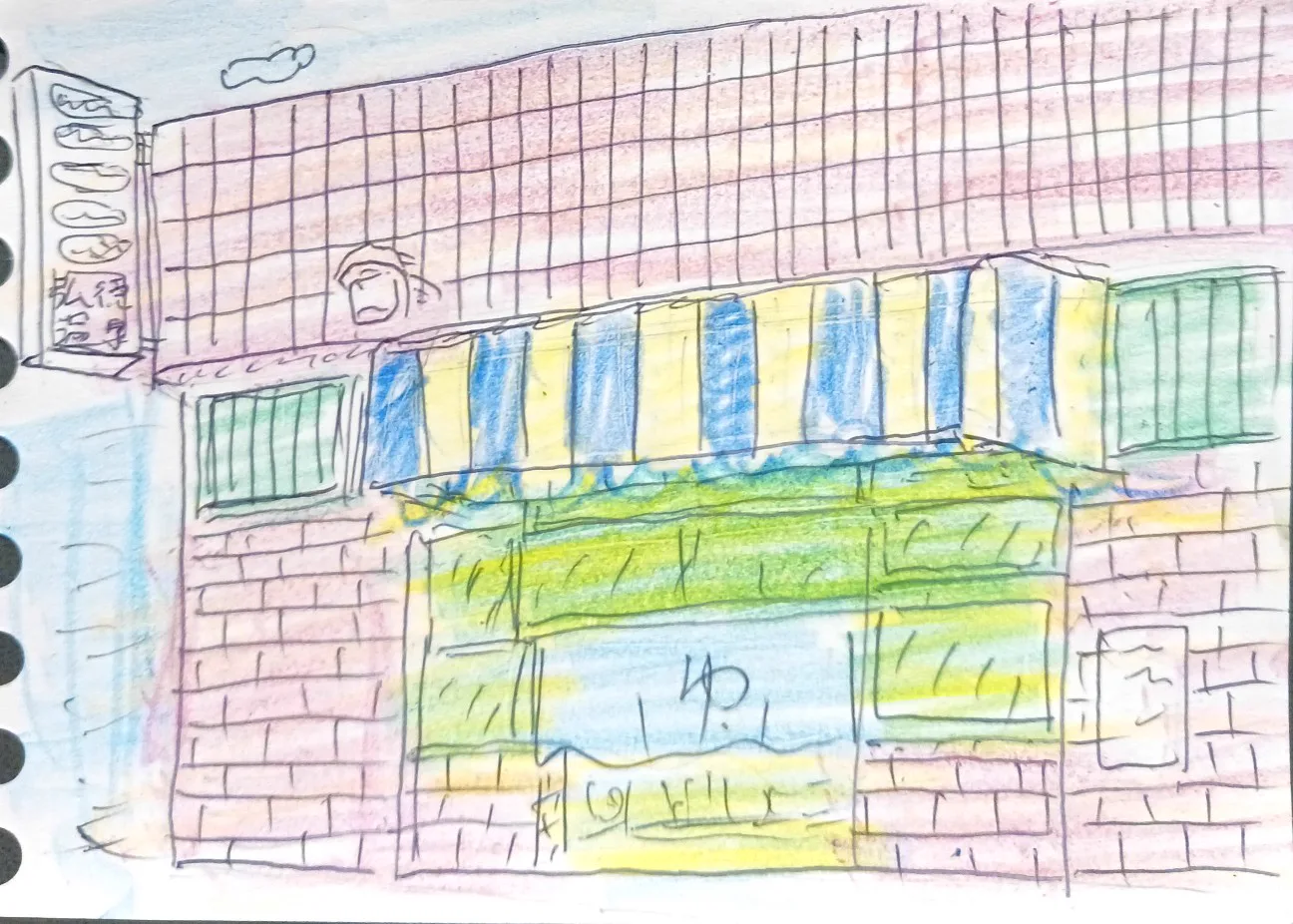
Kotoku Onsen sits in a residential part of Nakagawa-nishi, east of Tsuruhashi. The bathhouse keeps a feature that is becoming harder to find in ordinary city sento: a traditional coffered timber ceiling, known in Japanese as a gōtenjō. Inside, the setup is straightforward—dry sauna, cold bath, medicinal bath, electric bath, and hotter and milder tubs—without the landscaped outdoor zone or all-day lounge you would get at a large spa.
Getting there, and when it is open
The Osaka public bathhouse association lists the bathhouse about six minutes from Imazato Station on the Sennichimae subway line. This is the subway station, not Kintetsu Imazato; allow a little extra time for the walk through the neighborhood if it is your first visit. The address is 1-10-21 Nakagawa-nishi, Ikuno Ward.
Listed hours are 3 p.m. to midnight, with Mondays off. No last-entry time is published, so an arrival just before closing is a poor bet if you want to use the sauna. The site also has no dedicated parking listed; drivers should look for nearby paid parking rather than count on an onsite space.
Current admission and child fares are listed below.
| Admission | Price |
|---|---|
| Adult | ¥600 |
| Elementary-school child | ¥200 |
| Preschool child | ¥100 |
The sauna surcharge is not published; ask at the counter whether it is included.
Older listings may still show the former adult rate. The association confirms a dry sauna but does not publish its surcharge.
A compact bathhouse, not a natural onsen resort
The facility list includes a dry sauna, cold bath, medicinal bath, electric bath, and hot and lukewarm tubs. A separate outdoor bath is not listed. The medicinal bath is a changing feature bath, not evidence of a natural spring, and the name “Kotoku Onsen” by itself does not establish one. No spring name or water analysis is published in the cited material.
The bathhouse does not publish fixed water temperatures, a natural-spring source or a water analysis. “Lukewarm” is the operator’s description; it is not a measured temperature.
That distinction helps set expectations. Visit for a local bathhouse and the older interior, or for a simple sauna-and-cold-bath circuit after dinner nearby. If the trip depends on an outdoor view, private bathing, a long-stay relaxation area or verified spring water, choose a different facility.
The association also marks Kotoku as a runners’ sento. That can suit a short run followed by a shower, but it is not a luggage-storage service; ask before leaving anything beyond a small running kit.
For runners, the practical idea is simple: check with reception before setting out, leave only the small kit they allow, then return to bathe. Do not assume the bathhouse can hold a suitcase or store belongings for several hours. A hotel or station locker is the safer place for travel luggage.
For another traditional bath in the city, the Osaka sento overview is a better starting point than crossing town just for a single neighborhood bath.
Kotoku or Chitose after an evening in Ikuno?
Both are traditional baths that close at midnight and list a dry sauna and medicinal bath. Kotoku is the natural choice if you are around Imazato or Nakagawa-nishi; Chitose Onsen is closer to Tsuruhashi and Korea Town, about a 10-minute walk from Tsuruhashi Station. Their regular closing days differ—Monday at Kotoku, the first and third Tuesdays at Chitose—and neither facility listing establishes an outdoor bath or a natural spring. Pick by the evening’s route, then confirm the day’s hours.
If your plan is dinner around Imazato, a 60–90 minute visit is enough for a wash, the medicinal or milder bath, and a dry-sauna round if you choose to add it. Coming from Tsuruhashi, leave time for the walk through the residential streets; Kotoku is not right beside the station. The runner setup is another local use, but not a reason to bring a large bag.
Tattoos are not clearly addressed in the sources linked below. Contact the bathhouse before visiting if you need a definite answer. If a natural hot spring, an outdoor view, private bathing or an overnight rest space is essential, Kotoku is the wrong type of facility.
Sources
Checked: 2026-09-27 - [Osaka public bathhouse association: Kotoku Onsen](https://osaka268.com/sento/%E5%BC%98%E5%BE%B3%E6%B8%A9%E6%B3%89/) - [Osaka public bathhouse association: admission prices](https://osaka268.com/price/) - Image: [Osaka public bathhouse association facility listing](https://osaka268.com/sento/%E5%BC%98%E5%BE%B3%E6%B8%A9%E6%B3%89/) - [Sauna Ikitai: Osaka dry-sauna listings, including Kotoku Onsen](https://sauna-ikitai.com/osaka/dry?page=16) - [Runner’s Sento: Osaka public bath association list](https://osaka268.com/wp/wp-content/uploads/2023/02/910dda6c45bf2cebeec50a7922b398ed-1.pdf) - [Bendō’s Osaka bathhouse visit, July 2025](https://benduokun.hatenablog.com/entry/2025/07/16/114239)Tags: Kotoku Onsen, Imazato sento, Ikuno bathhouse, Osaka public bath, Osaka dry sauna