Seiganji Onsen in Saitama: Raw Spring Baths, Prices and Access
Plan a visit to Seiganji Onsen for its 37.5°C raw-source bath, admission and towel costs, bus and rail access, tattoo rules and age restrictions.
Updated September 27, 2026
Seiganji Onsen is worth the trip from central Saitama when the spring itself is the reason you are going. Its outdoor bathing area includes a 37.5°C raw-source pool, a much hotter source-water bath and several pools kept near 40°C, with different heating and water-treatment arrangements. Admission starts at ¥900 on weekdays. The catch is location: the easiest bus leaves from Omiya, while the walk from Nishi-Omiya Station takes about 18 minutes.
The main reason to come is the difference between the baths
The spring is a sodium-chloride hot spring drawn from roughly 1,500 meters underground. The facility currently describes its source water as about 38.3°C.
Its published analysis sheet records 38.1°C, a pH of 7.9 and a flow rate of 230 liters per minute. Dated December 14, 2009, the sheet is technical context, not a new 2026 test.
The raw-source bath is the one to seek out if you prefer a long, unhurried soak. It is listed at 37.5°C and uses the spring without heating, recirculation or chlorine disinfection. The facility says that in the coldest part of winter it may heat and add water, so check the bath notices on arrival if the untreated setup is the main reason for your visit.
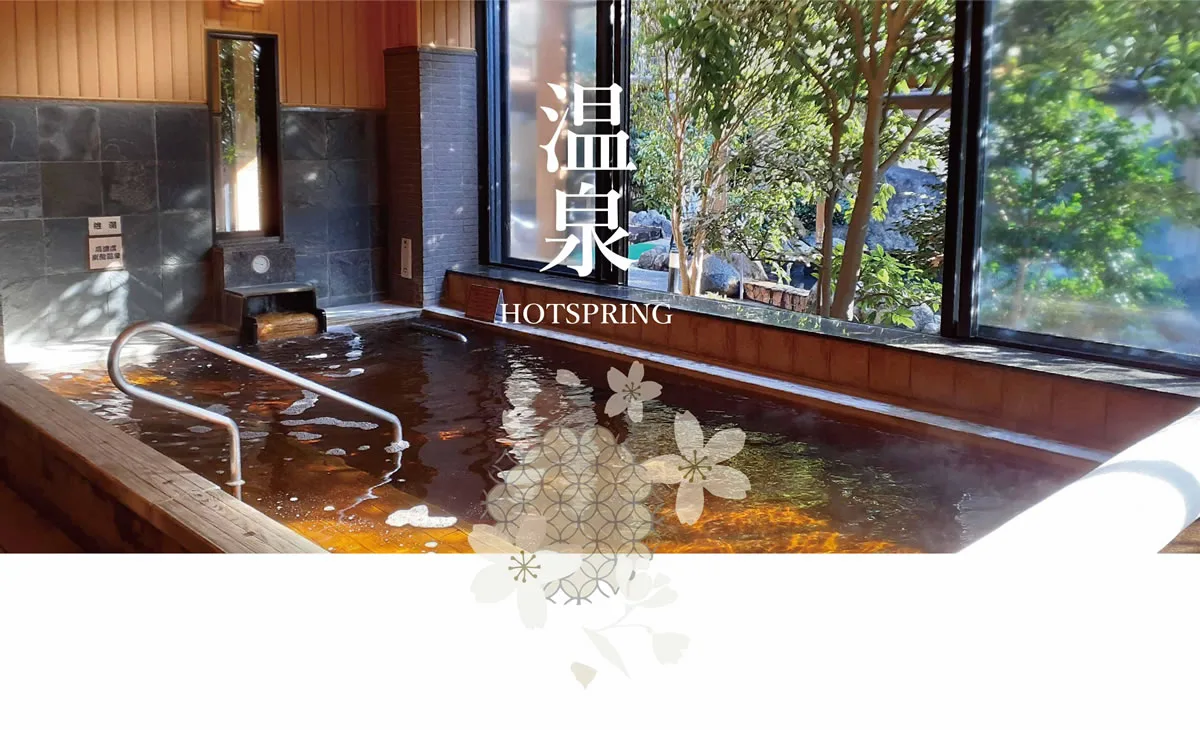
Other outdoor pools offer a warmer version of the same spring. The source-water hot bath is held near 43°C; the rock bath, pot baths, reclining bath and lying-down bath are around 40°C on the current facility pages. They are heated, but the facility lists them as flow-through rather than recirculated and chlorine-disinfected. The indoor cypress bath is different: it is heated, filtered through a circulation system and disinfected. “Natural spring” describes the water source, not one uniform process across every pool.
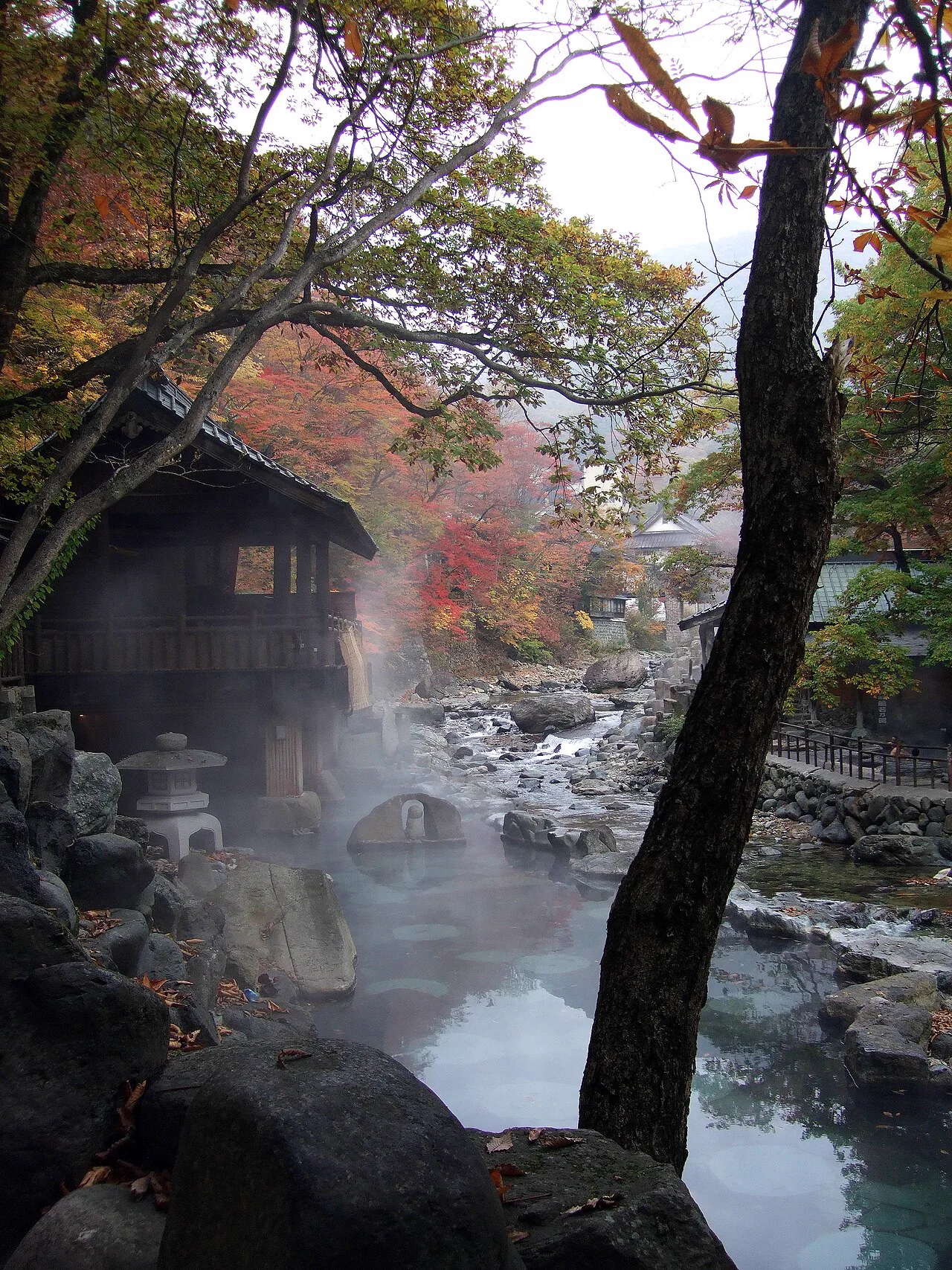
The open-air area looks onto an existing bamboo grove. That setting suits the cooler pool particularly well: the outdoor baths are about greenery and quiet pauses, not a panoramic view. Inside, there is also a high-concentration carbonated spring bath, an attraction bath and a sauna, along with a restaurant and rest spaces. Those extras make it easy to stay longer, but they are secondary if your main goal is a large spa complex with extensive entertainment facilities.
Current admission and hours
| Visit | Adult admission | Child admission |
|---|---|---|
| Weekday | ¥900 | ¥550 |
| Saturday, Sunday or public holiday | ¥1,000 | ¥600 |
The child rate applies from age three to under 12; children under three enter free. Admission does not include towels or indoor wear. A rental face towel is ¥100 and a rental bath towel is ¥150, putting a weekday visit with both rentals at ¥1,150. Shampoo and body soap are provided in the bathing area. The facility accepts cash, major cards other than American Express, and QR payments; its multi-visit ticket is cash-only.
The baths are open daily from 10 a.m. to midnight, with last admission at 11:30 p.m. Equipment inspections can close the facility on several days each year. A closure is already posted for November 16 and 17, 2026, so check the current notices before travelling on those dates or around a holiday.
Arriving at last entry leaves little time to compare the pools. Give yourself room to try the outdoor baths without rushing. Re-entry on the same day is allowed if you have not checked out, which makes a meal or rest break between soaks practical.
Getting there without a car
From Omiya Station: at the west exit, use Tobu Bus stop 8. Buses bound for Hirakata, the Rehabilitation Center, Maruyama Park or Nishi-Ageo Garage all stop at Seiganji; the facility is about a one-minute walk from there. This is the least strenuous option, though the ride and return depend on the bus schedule. Check the current timetable for your travel date rather than planning around an old departure time.
From Nishi-Omiya Station: leave from the north exit and allow about 18 minutes to walk. It is a useful rail-based fallback if the bus times do not line up, especially on the way back. The walk is long enough to matter after bathing in rain or cold weather; anyone who cannot comfortably cover it should arrange a taxi rather than assume one will be waiting outside.
There are also buses from Nishi-Omiya toward Miyahara Station and from Miyahara toward Nishi-Omiya or Hana-no-Oka. Get off at Seiganji Chuo, then walk about five minutes. The facility warns that these services are infrequent. They are worth considering only after checking both directions; a missed bus can turn a short connection into a long wait.
Car-free access is workable, but this is not a station-front bath. For more options around the prefecture, the Kanto onsen guide compares destinations, while the Kanto guide to onsen without a car focuses on bus and rail logistics. If Kawagoe is also on your itinerary, the day-use onsen comparison there covers three different facilities closer to that city.
Rules that can change the plan
Seiganji bars all tattoos, regardless of size, and body-painting stickers; covering a tattoo does not create an exception. Children must arrive with an adult. If either rule excludes someone in your group, choose another bath before travelling—admission is not refunded if a prohibited tattoo or sticker is discovered after entry.
Children who are not toilet-trained cannot use the changing room or baths. The facility says children aged seven or older may not use the opposite-sex bath, and children taller than 120 cm may not enter it regardless of age. A family with one adult and a child near either threshold should confirm that the bathing arrangements will work before paying.
There is also a late-evening age limit: guests under 18 and high-school students need an adult guardian after 11 p.m. Groups made up only of high-school students or younger must leave by 10:30 p.m. (last admission 10 p.m.), even though the facility stays open until midnight.
Outdoor wheelchairs, canes, senior strollers and suitcases cannot be used inside the facility. The front desk lends indoor wheelchairs and canes, but the washing and bathing areas can be slippery and those aids are limited to the changing-room area. Large luggage is better left at your accommodation or in station storage.
Sources
- [Seiganji Onsen: spring analysis and treatment by bath](https://www.seiganji-onsen.com/guide/seibun/) (analysis dated December 14, 2009) - [Seiganji Onsen: open-air baths](https://www.seiganji-onsen.com/guide/roten/) - [Seiganji Onsen: current prices, hours and child rules](https://www.seiganji-onsen.com/howto/fee/) - [Seiganji Onsen: access and bus stops](https://www.seiganji-onsen.com/access/) - [Seiganji Onsen: current notices](https://www.seiganji-onsen.com/) - [Seiganji Onsen: facility-use precautions](https://www.seiganji-onsen.com/caution/) - [Tobu Bus: Seiganji stop routes and timetables](https://transfer-cloud.navitime.biz/tobubus/courses?busstop=00310828) - [Jalan: Seiganji Onsen reviews](https://www.jalan.net/kankou/spt_guide000000191571/kuchikomi/) - [Nishi-Omiya Station north exit photo by E231-Tobucchi, released into the public domain](https://commons.wikimedia.org/wiki/File:Nishi-Omiya_Station_North.jpg)Checked September 27, 2026. Hours, fares, service and closure notices can change; reconfirm before setting out.