Shuzenji in Four Seasons: Let the Daylight Set the Pace
Adjust a Shuzenji Onsen visit for spring, summer, autumn or winter, with realistic walking and Hakoyu timing rather than a one-route-fits-all itinerary.
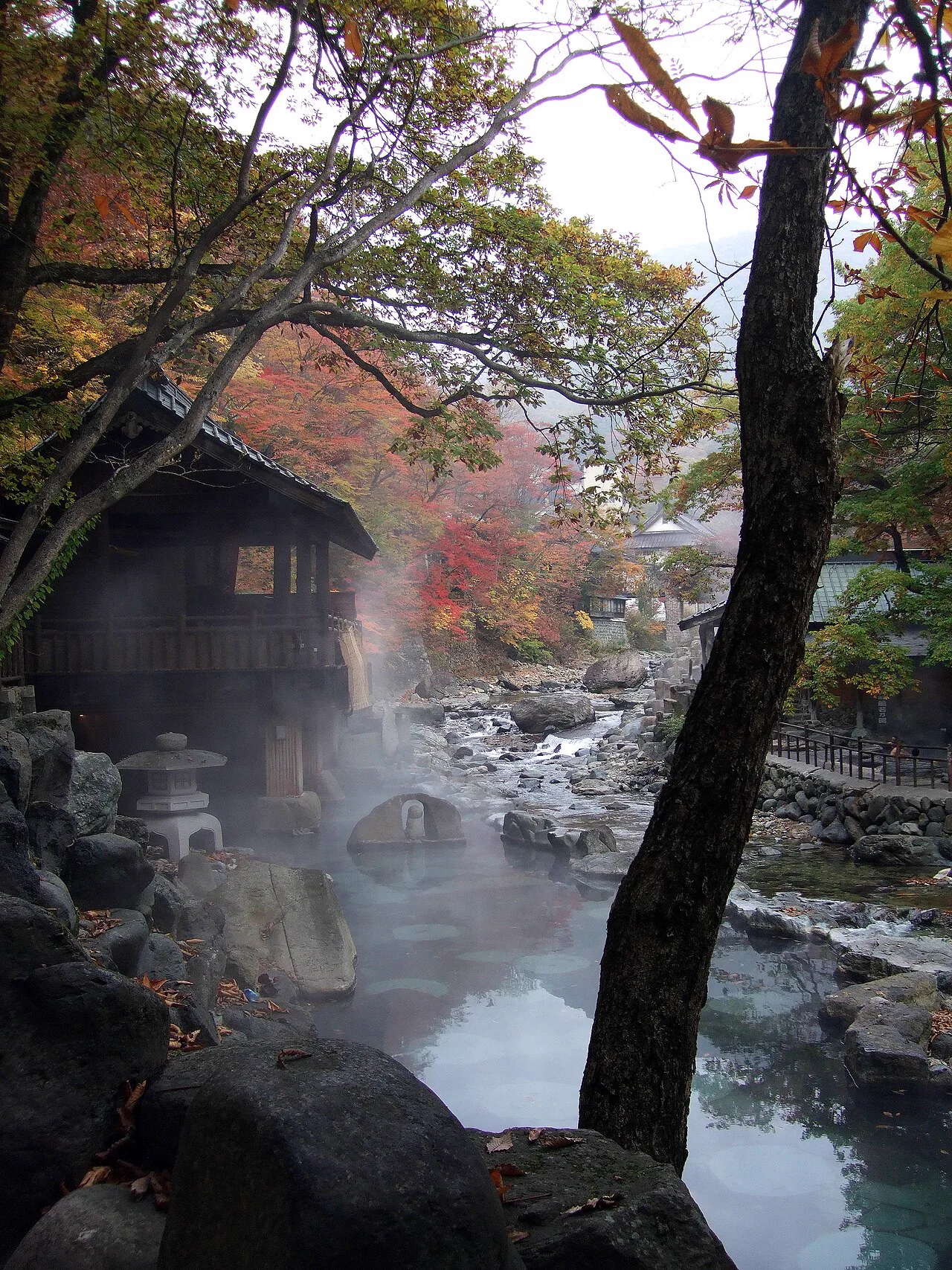
Shuzenji is not a place where the itinerary needs a different list of attractions for every season. The useful change is the order: when to walk by the Katsura River and through the bamboo grove, when to take a break, and whether to make Hakoyu a daytime stop or leave more bathing time to the ryokan.
| Season | A comfortable rhythm | Bath and stay choice |
|---|---|---|
| Spring | Walk the riverside and temple area while the fresh greenery is part of the visit; keep time for pauses. | Put Hakoyu after lunch or an afternoon walk. A garden-facing inn adds time outdoors without another transfer. |
| Summer | Start the temple and bamboo-grove walk earlier, then take shelter from the warmer middle of the day. | Treat Hakoyu as a short indoor break, not an all-day spa. Check the inn's air-conditioning and indoor bathing options. |
| Autumn | Leave room for slower walking and busier paths around the river and temple. | Walk first, bathe later, and avoid a long uphill return after the bath. Check Hakoyu's maintenance schedule. |
| Winter | Keep the outdoor loop compact; daylight fades earlier and evenings are colder. | Use Hakoyu while it is still light, then return to the inn for dinner and evening bathing. |
Spring and autumn reward a little slack
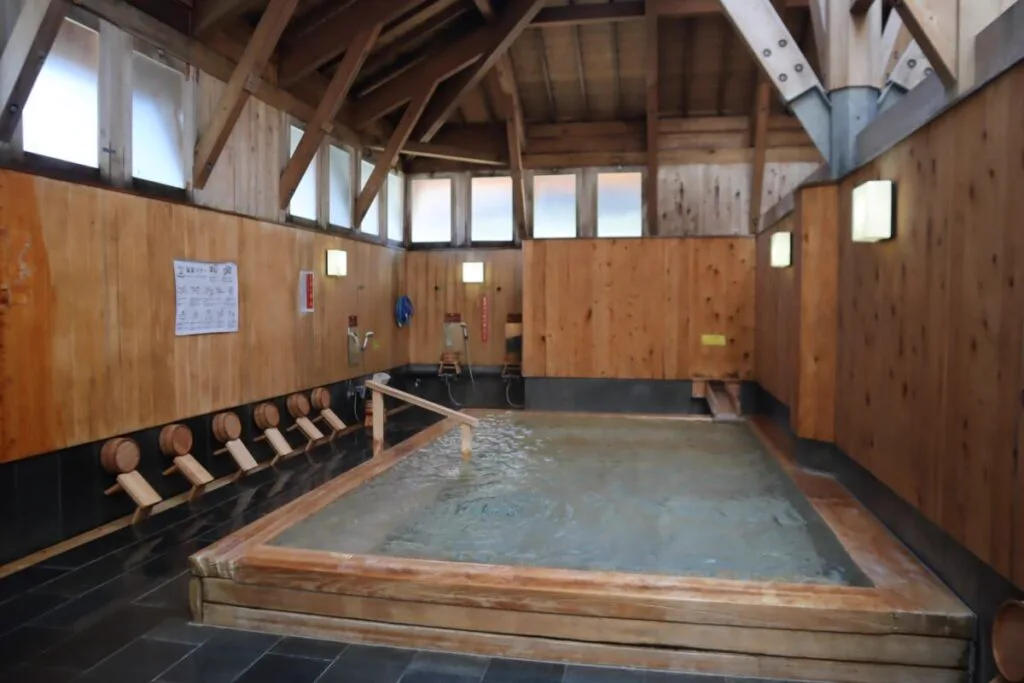
The riverside and bamboo path are most enjoyable when you are not watching the clock. During popular weekends, allow more time for stops and the bus from Shuzenji Station. If the town is busy, shorten the loop rather than pushing Hakoyu to its final admission window. The municipal listing gives Hakoyu hours of 10 a.m.–9 p.m., with last entry at 8:30 p.m.; its maintenance closing days are irregular, so verify the date before building the day around it.
In autumn, the second Thursday of the month is generally listed as a cleaning day, except in August, when Hakoyu opens later at 3 p.m. Treat this as a pattern to verify, not a guarantee for a particular date. The city's current notice takes precedence.
Summer and winter call for different kinds of rest
In summer, an early walk followed by lunch and an indoor rest is more comfortable than crossing the district in the afternoon heat. If you are staying overnight, return to the inn before dinner rather than making every bath a separate outing. Carry water and be prepared to cut a bridge or side street from the route if the day is hotter than expected.
In winter, shorter daylight makes an inn's bath more valuable because it lets you avoid another evening walk. Kikuya offers several public and private bathing options; Yagyu-no-Sho is a quieter garden-and-room stay, with room features depending on the chosen plan; Katsuragawa is a practical family option in the hot-spring district. Confirm each property's current bath hours and the precise room inclusions.
For any season, check the bus timetable, dinner time, luggage plan and Hakoyu status together. Rain can make the stone paths and bridges more demanding, especially with a suitcase or slower-moving companion. Keep one indoor alternative and decide in advance which walk you will drop if the weather turns.
If you are building an overnight route, use the one-night Shuzenji itinerary. For facility and room differences, see the ryokan and bath comparison.
Sources: Hakoyu, Shuzenji accommodation directory, Izu City access.