Hakoyu or a Ryokan Bath in Shuzenji? Compare Access, Privacy and Time
Hakoyu is a public bath; three Shuzenji ryokan add distinct options, from Kikuya’s free private baths to Yagyu-no-Sho’s in-room springs.
Hakoyu works well between a stroll through the town and the bus back to Shuzenji Station. Its listed adult admission is ¥700, and the municipal page shows 10 a.m.–9 p.m. hours with last entry at 8:30 p.m. A ryokan stay costs more because it includes a room and, depending on the property, meals and other services; the bathing benefit is that you can return to the bath without making another trip outside.
Start with what kind of bath time you want
| If you want… | First place to compare | Why it may fit |
|---|---|---|
| One public bath during a daytime walk | Hakoyu | A clear admission price and a central location, separate from accommodation |
| Several communal baths and a private bath without advance booking | Yuyado Kikuya | Its official FAQ lists one indoor and one outdoor public bath, plus four free private baths used when vacant |
| A quieter inn with room hot-spring baths | Yagyu-no-Sho | The inn says all guest-room baths use its hot spring; shared outdoor baths change sides daily |
| A family-oriented stay with private baths | Shuzenji Onsen Katsuragawa | Seven free private baths are available to staying guests when vacant; no reservation is taken |
These are different products, not a ranking. Hakoyu is a public-bath visit; the other three are accommodation choices. Check the exact room plan and facility terms before booking, especially if access to a private or in-room bath is the main reason for staying.
Hakoyu: easiest to add to a town walk
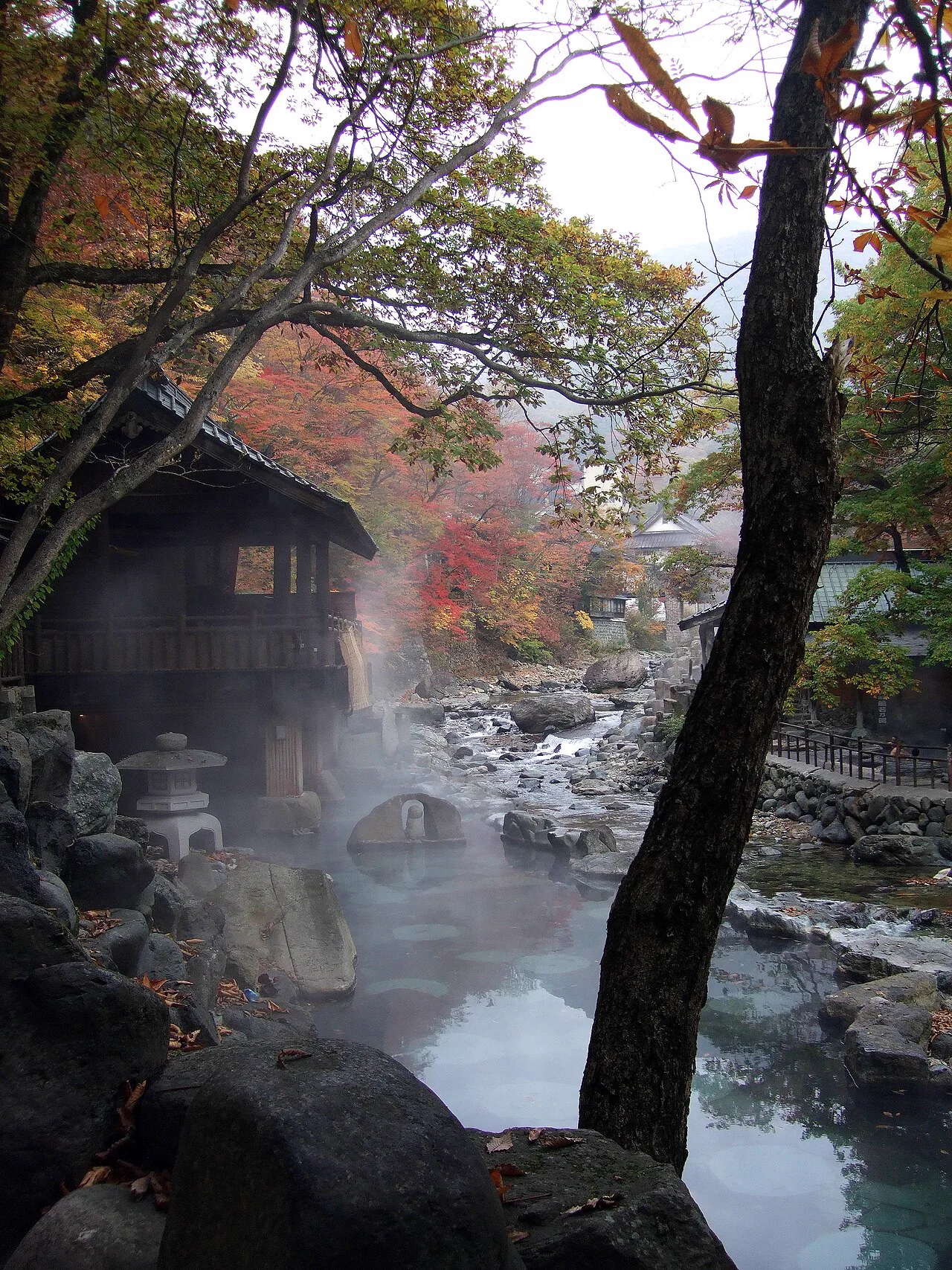
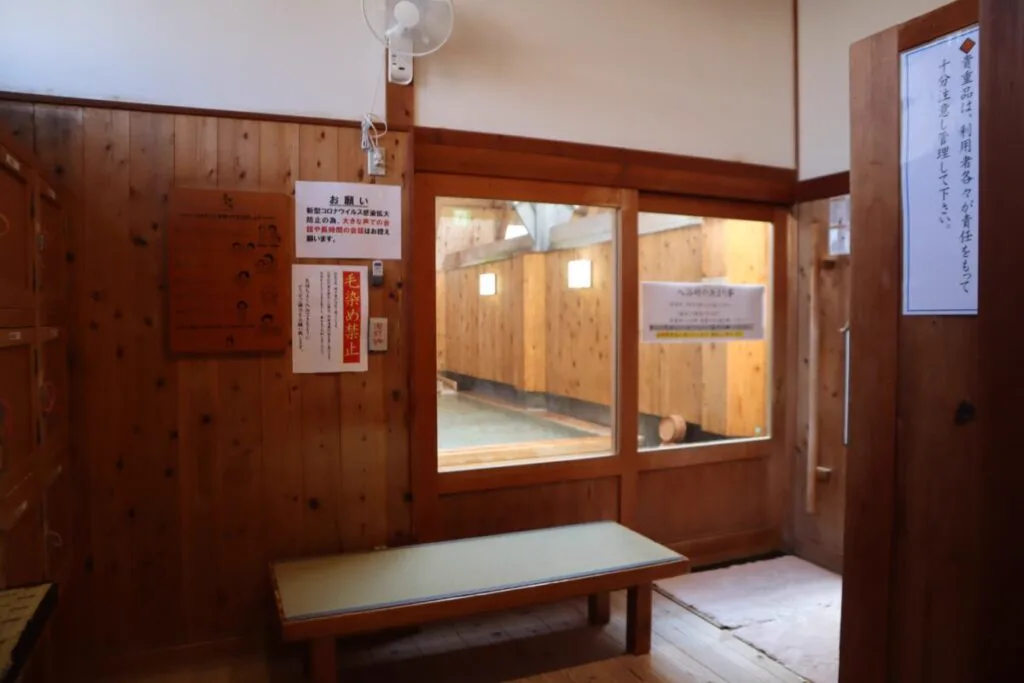
Hakoyu is Shuzenji’s public bath in the hot-spring district. Izu City lists adult admission at ¥700 and ¥400 for children under elementary-school age.
Hours are 10 a.m. to 9 p.m., with last entry at 8:30 p.m. Closing days are irregular, and the facility has no dedicated parking lot. The same site describes it as a small indoor bath and lists alkaline simple hot spring water.
This option is practical if you want to visit the temple area, bamboo grove and riverside streets before bathing. A free viewing tower beside the bath, Gyokurokaku, looks over the town. Leave time for the bus back; Hakoyu is not an after-dinner substitute when you arrive near its last-entry time.
For more on admission, post-renovation details and the public-bath visit itself, see the Hakoyu guide. For a broader decision about spending the night in Shuzenji, use the budget and overnight comparison.
A ryokan bath changes the schedule, not just the setting
Yuyado Kikuya has a riverside indoor bath, an outdoor bath and four private baths. The private baths are free, do not take reservations and can be used when vacant; guests are asked to limit each session to about 40 minutes.
The large baths close for a daytime break from 10 a.m. to 3 p.m., while the private baths are listed as open around the clock. That gives overnight guests more chances to bathe without scheduling the evening around a public bath’s closing time.
Yagyu-no-Sho is a smaller inn with 15 individually designed rooms. Its official site says all guest-room baths use hot spring water, and that its two large outdoor baths alternate between men and women daily. Choose it when a bath attached to your room matters more than collecting different facilities; confirm the room’s exact bath type when you book, since the site lists different room configurations.
Katsuragawa has gender-separated large baths with outdoor pools and seven private baths. The official FAQ says the private baths are free for staying guests, are not bookable and can be used when vacant, with about 30 minutes suggested per bath. It also states that bathing-only use is limited to overnight guests. That makes it easier to plan for guests who want private family time, but it does not make a private bath guaranteed at a particular hour.
The cost comparison is not ¥700 versus a room rate
Hakoyu’s ¥700 ticket buys one public-bath visit; it does not include a hotel room, dinner or breakfast. Ryokan rates change with date, room and meal plan, so compare the total quote for your actual party rather than treating the price of admission as a like-for-like alternative.
If you only want to bathe once while sightseeing, Hakoyu avoids paying for a night you may not use. If you want to return after dinner, bathe early in the morning, use a private bath or keep the group together in a room-based bath, the room rate buys more than access to water. At Kikuya or Katsuragawa, however, “private bath available” means you use one when it is free; it does not mean you can reserve a fixed slot.
A simple way to arrange either option
For a day visit, put Hakoyu in the daytime part of the walk and check its irregular closure and the return bus before you leave the station. For an overnight stay, confirm three things with the selected inn: whether your booked room has its own bath, when the public baths are open, and how its private-bath queue works. If you want both Hakoyu and an inn bath, use Hakoyu during the day and keep the evening or morning session for the property; trying to squeeze both into a short stop can crowd out the town itself.