One Night in Shuzenji: Make the Stay Feel Different from a Day Trip
Plan one night in Shuzenji around the river walk, Hakoyu and a ryokan stay, with a two-day pace that leaves time to bathe and catch your bus.
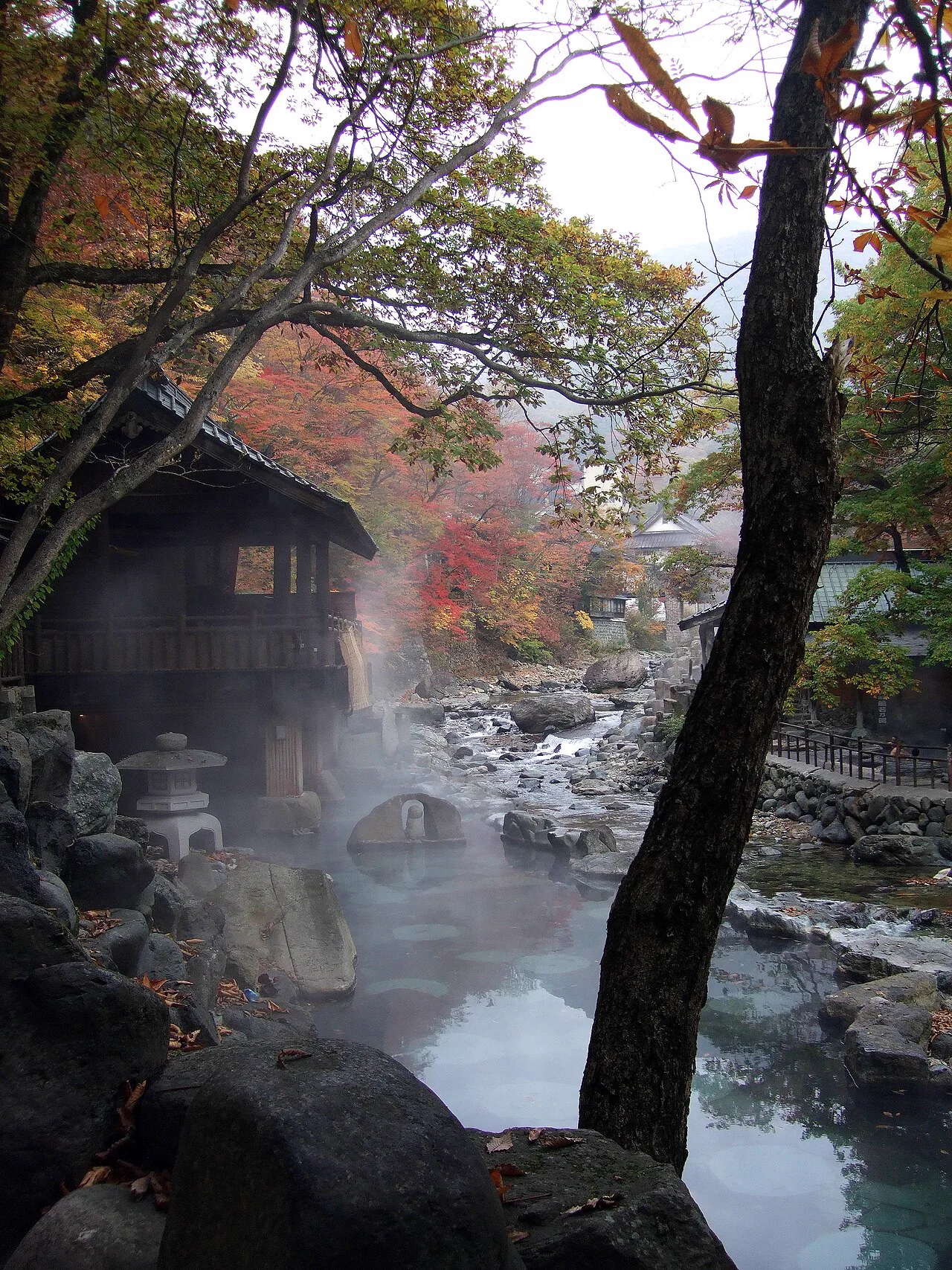
Shuzenji's core is a walk through Shuzenji Temple, the Katsura River and the bamboo path, followed by a soak. A night at a ryokan gives you an evening and morning in the hot-spring district, which is useful if you would rather not plan around the last bus or squeeze every stop into one afternoon.
Choose the stay for the time you want to spend there
| Inn | Makes sense when… | Confirm before booking |
|---|---|---|
| Yuyado Kikuya | You want the baths, river setting and historic corridors to be part of the stay. The inn lists four private baths. | How the private-bath queue works, bath opening hours, and the exact room and meal plan. |
| Yagyu-no-Sho | A quieter garden setting, Japanese cuisine and time in the room matter more than staying in the busiest part of town. | Room-bath details vary by room; check the named room type and transport arrangement. |
| Shuzenji Onsen Katsuragawa | You want a family-oriented full-service inn within the hot-spring district. | Current family-bath rules, room capacity, parking or pickup, and dinner time. |
Rates vary by date, room and meals; there is no useful year-round two-adult total. Compare the actual booking plans, taxes, cancellation terms and whether the bath you care about is included in that room.
Day 1: Leave the luggage, then walk
From Mishima, allow about 33 minutes by train to Shuzenji Station, then around seven minutes by bus to the hot-spring district. The bus ride is short, but the transfer wait, bag drop and walk to your inn still take time. Ask about early luggage storage before you plan a pre-check-in loop.
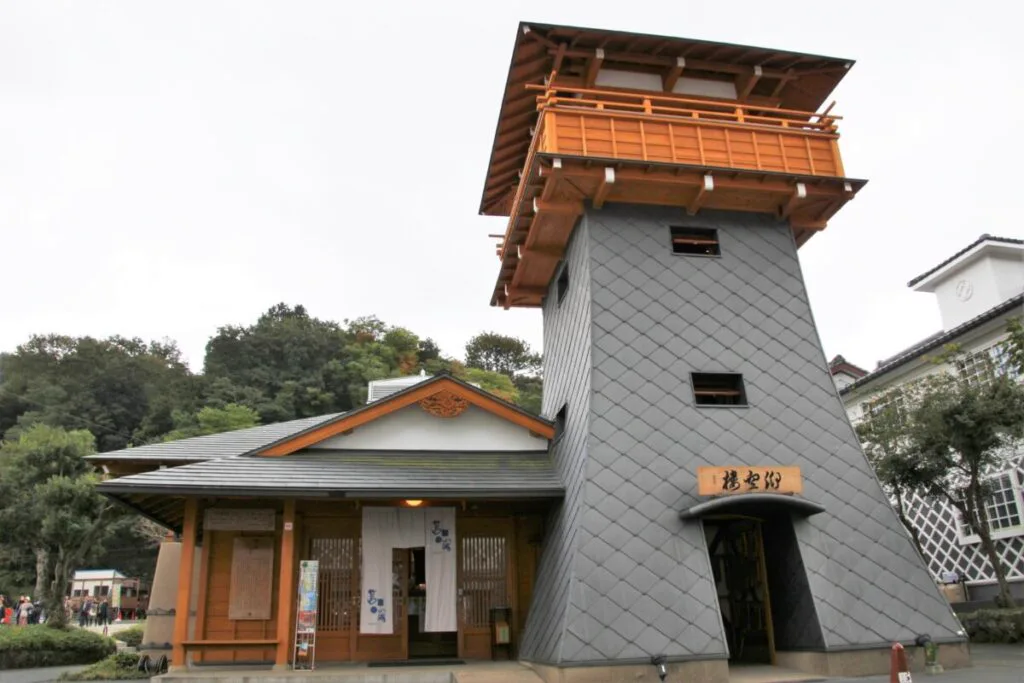
For a late-morning arrival, have lunch, walk the temple and river, and take the bamboo path at an unhurried pace. Hakoyu can fit after the walk: adult admission is ¥700, it opens 10 a.m.–9 p.m. and last entry is 8:30 p.m. It is a small public bath, separate from the inn. Use it if you want that specific town-bath experience; skip it if it would duplicate the bathing you most want at the ryokan.
After check-in, leave time to settle in before dinner. Kikuya guests can plan one private or public bath session before or after the meal, subject to the inn's current use rules. At Yagyu-no-Sho, a quieter evening in the garden or the booked room may suit the stay better than another walk. At Katsuragawa, check the queue and timing for private baths rather than assuming a reserved slot.
Day 2: Use the morning, but protect the departure
A morning bath is one of the real advantages of staying. Choose the inn's public bath or your room bath if the booked plan includes one, then have breakfast and check out. If you still want Hakoyu, first confirm it is open, ask the inn to hold your bags and work backward from the bus you need. Do not put a full second bathing session into the last few minutes before departure.
Spring and autumn are good seasons for a longer riverside walk, though weekends need more time for crowds and transfers. In summer, walk earlier and rest indoors through the warmer hours. In winter, make the public bath a daylight stop and keep the post-dinner route short. For station and luggage logistics, see the Shuzenji access and stay guide; for the four-season pacing differences, see the seasonal itinerary.
Sources: Izu City access, Hakoyu, Shuzenji ryokan directory.