Shikanoyu Guide: Nasu’s Hot, Short-Soak Sulphur Bath
Plan a visit to Nasu’s Shikanoyu: compare the bathing temperatures, learn why soap is prohibited, check current admission and hours, and reach the bath by bus.
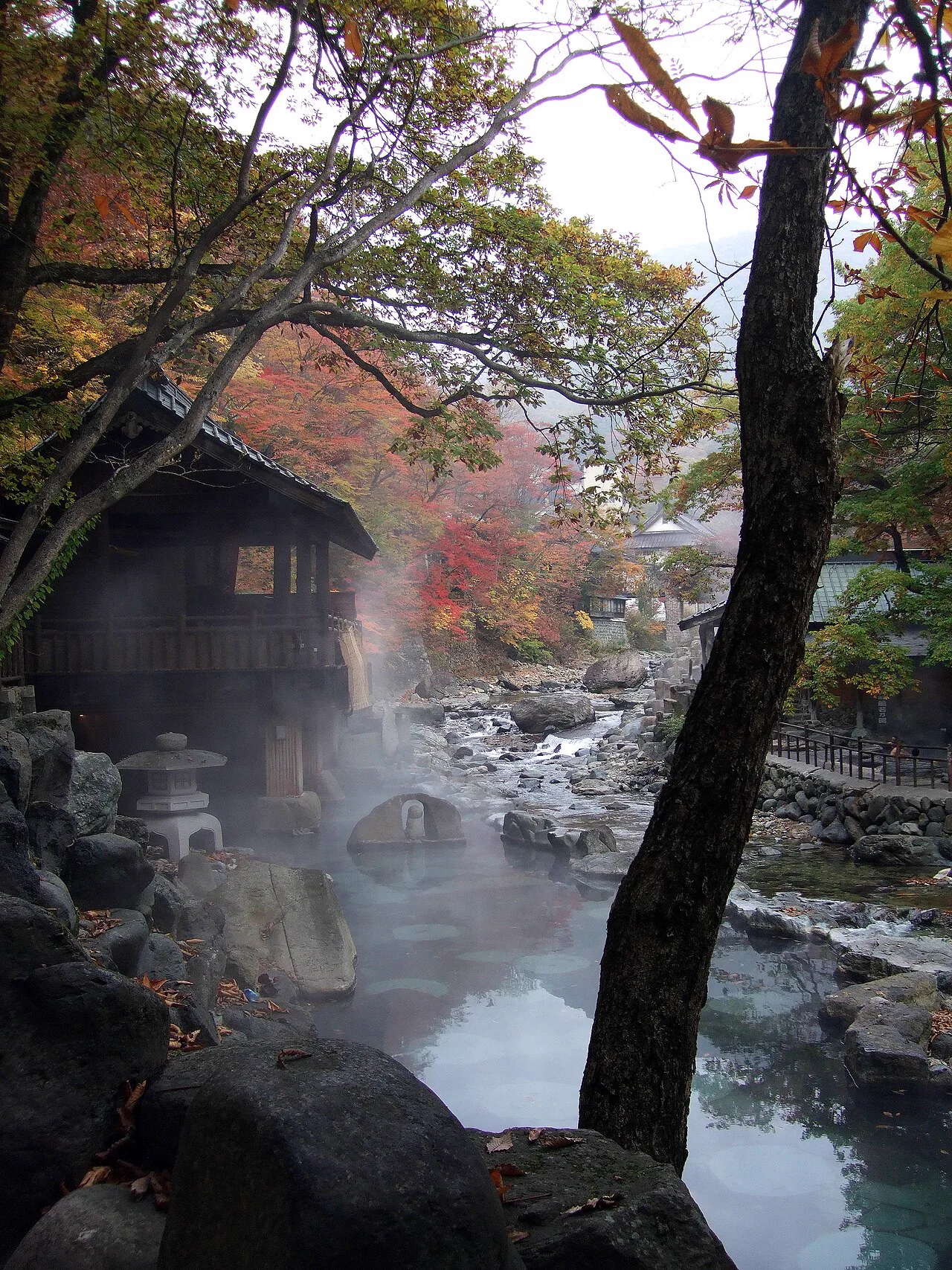
Shikanoyu is worth considering if the bathing method itself interests you: the wooden bathhouse has separate pools at several temperatures, with a traditional ladling ritual before entering. It is not the easy choice after a muddy hike if you need a full wash. Soap and shampoo are prohibited, the water is notably hot, and the visit is built around short soaks rather than a long, leisurely session.
| Visit detail | Current listing |
|---|---|
| Adult admission | ¥500 (about HK$25 / NT$102) |
| Elementary-school admission | ¥300 (about HK$15 / NT$61) |
| Preschool children | Free |
| Hours | 8 a.m.–6 p.m.; last admission 5:30 p.m. |
| Payment | Cash only |
For baths that allow ordinary washing or offer a longer day-use visit, see the Nasu day-use onsen guide.
The pool labels describe the bath, not the spring source
The bathing pools are marked 41°C, 42°C, 43°C, 44°C, 46°C and 48°C. The women’s side does not have the 48°C pool. These are pool temperatures; they should not be confused with a spring-source reading. The facility describes the water as a simple acidic sulphur spring of the hydrogen-sulphide type, in the acidic, low-hypotonic, high-temperature category.
Shikanoyu’s own bathing guidance recommends short hot bathing: soak to waist level for about a minute, then chest level and neck level for about a minute each, repeating the sequence. One bathing session is about 15 minutes, with up to four sessions in a day as a general upper guideline. Those are not targets to push through. A pool that feels too hot, dizziness, nausea or unusual discomfort are reasons to get out and rest; there is no prize for trying the hottest bath.
Water temperature is only one part of how an onsen feels. The guide to reading Japanese onsen temperatures explains why the label on the spring and the temperature in the tub can differ.
The ladling ritual is a custom, not an endurance test
Before bathing, visitors traditionally ladle hot water over the head and shoulders from behind. The facility’s guidance gives an approximate count of 200 ladles for adults and 100 for children, with a warning to keep the water out of the eyes. That number is part of the established bathing method, not a reason to rush or keep going if the heat feels uncomfortable. Move carefully around the edge and follow any posted instructions on the day.
The water’s acidity and heat also matter after you leave the pool. Shikanoyu advises visitors not to rinse off the spring water as a standard step after bathing, while noting that people with sensitive skin and small children may prefer to wash or wipe it away. If you know acidic or sulphur water irritates your skin, the facility’s spring-quality guide can help explain the terminology, but it cannot replace personal medical advice.
No soap, no shampoo—and no card payment
Soap and shampoo are not allowed. The operator explains that they lather poorly in the sulphur water and can make the floor slippery. That rule makes Shikanoyu a poor substitute for a post-hike shower: plan to wash at your accommodation or choose another bath if washing your hair and body is essential. The Nasu comparison guide covers alternatives such as Kojikanoyu, whose washing setup is more conventional.
Bring a towel and cash if you want to keep the visit to the ¥500 admission. A larger locker is available, but the label does not guarantee that a suitcase will fit.
| Item | Price |
|---|---|
| Commemorative small towel | ¥400 (about HK$20 / NT$82) |
| Small / large locker | ¥100 / ¥200 (about HK$5 / HK$10; NT$20 / NT$41) |
| Half-day hot-spring ticket: weekday / weekend or holiday | ¥1,200 / ¥1,500 (about HK$60 / HK$75; NT$245 / NT$306) |
| Seven-visit ticket | ¥2,800 (about HK$141 / NT$572) |
The fee page does not spell out every half-day-ticket condition, including re-entry. Ask at the desk before buying if those details affect your visit. See the Japanese bath essentials guide for a fuller packing list.
Getting to the bath without squeezing the bus connection
From Tokyo, the facility’s route diagram shows the Tohoku Shinkansen to Nasu-Shiobara, a JR Utsunomiya Line train to Kuroiso, then a bus to Nasu Yumoto Onsen and a walk of about two minutes. The journey is manageable without a car, but the mountain bus is the part that determines how long you can stay. Check the current outward and return departures before committing to a late visit, and leave room for the walk from the stop.
By car, Shikanoyu lists about 50 parking spaces. That helps when driving around Nasu, though it does not guarantee a space during a busy holiday period. For a route that includes other day-use baths, the four-bath Nasu comparison keeps access windows and bathing styles in one place. If the wider trip is rail-based, use the Kanto onsen guide and Kanto day trips from Tokyo to place Nasu against easier options closer to the capital.
Who is likely to enjoy Shikanoyu?
It suits visitors drawn to a historic communal bath, sulphur water and the chance to choose between several clearly marked hot pools. It also fits a short stop in Nasu Yumoto, where the bus stop is only a brief walk away.
Shikanoyu has no shampoo, sauna or outdoor pool, and its hot baths may not suit guests sensitive to high temperatures. Its tattoo policy is unconfirmed; ask before travelling if it affects your visit. For baths with washing facilities, compare the options in the Nasu day-use onsen guide.
Official sources
- [Shikanoyu: hours, admission, towels and lockers](https://www.shikanoyu.jp/time-charge/) - [Shikanoyu: pool temperatures, bathing method and spring classification](https://www.shikanoyu.jp/hotspa/) - [Shikanoyu: cash-only payment, parking and soap/shampoo rule](https://www.shikanoyu.jp/qanda/) - [Shikanoyu: route diagram and access](https://www.shikanoyu.jp/accessmap/) - [Nasu Tourism Association: day-use onsen listings](https://www.nasukogen.org/onsen/) - [Kanto Bus: current timetable search](https://kantobus.info/timetable/)Checked: September 28, 2026