Zao Onsen with Limited Mobility: Ropeway Access, Baths and Getting Around
Check what is and isn’t accessible in Zao Onsen, from the ropeway platform to bathing areas. Includes advance-assistance notes and bath-specific limits.
Zao Onsen has some genuinely useful access features, but they apply to particular parts of the journey. The Zao Ropeway’s summit gondola has no step or gap between its platform and cabin, while the prefectural access listing says staff assistance can be arranged in advance. At the baths, the rules differ: one day-use facility allows a wheelchair as far as the changing room but not into the bathing area, while a nearby inn has a larger, level-access private bath. Check the transfer into the water separately; “wheelchair accessible” does not confirm that a bathing lift or hands-on transfer support is available.
Getting off the bus is only the first threshold
Zao Onsen is built on a hillside. After the bus reaches Zao Onsen Bus Terminal, the next stretch may involve an uphill pavement, snow or a sloping inn entrance. A nearby hotel pin can still mean a difficult pull with luggage or a walker.
Tsuruya is directly across the road from the terminal, so there is little distance to cover after the bus. The inn lists rental wheelchairs and an accessible toilet. Ask which rooms have a step-free route, and check bed height, bathroom layout and whether the rental chair is suitable for your whole stay.
Winter changes the equation. Packed snow can cover curb edges, narrow the usable pavement and make a short slope tiring. Ask the lodging where a taxi can stop, whether staff can meet you at the terminal and whether its entrance or accessible room has a threshold. If you are arriving with mobility equipment, a call before booking is more useful than relying on the neighbourhood’s walking estimate.
For a general comparison of village bases, see the Zao Onsen stay-area guide. For transit from Sendai, including the distinction between Yamagata Zao and Miyagi’s Togatta Onsen, use the Sendai-to-Zao route guide.
The ropeway has step-free boarding at the gondola
The operator describes the summit line’s Funitel gondola as having no step or gap between the platform and cabin. That can make boarding easier for wheelchair users and people who find a threshold difficult. The Yamagata tourism access listing adds that staff assistance is available if arranged ahead, notes wheelchair access on the walking path near Jizo Summit Station, and lists a multipurpose toilet and written communication.
There is an important distinction between the cabin and the stations. A barrier-free information sheet linked by the prefectural tourism site records stairs at Sanroku Station and steps at the boarding point, with staff assistance noted for both. Contact the operator before you travel to confirm how assistance is arranged, whether it is available at both stations on your date, and how your own wheelchair is handled. The operator’s current fare and operating pages can change with the season; wind or other weather can also stop service.
At the summit, “wheelchair usable” applies to a path near the station, not every trail or viewpoint across the mountain. Snow, ice, visibility and surface conditions matter more than a map’s distance. Keep the summit outing flexible and check the live operation notice on the day. The ropeway weather backup guide covers alternatives when the mountain does not cooperate.
Choose a bath by the transfer it actually supports
Tsuruya’s private bath: the clearest published option
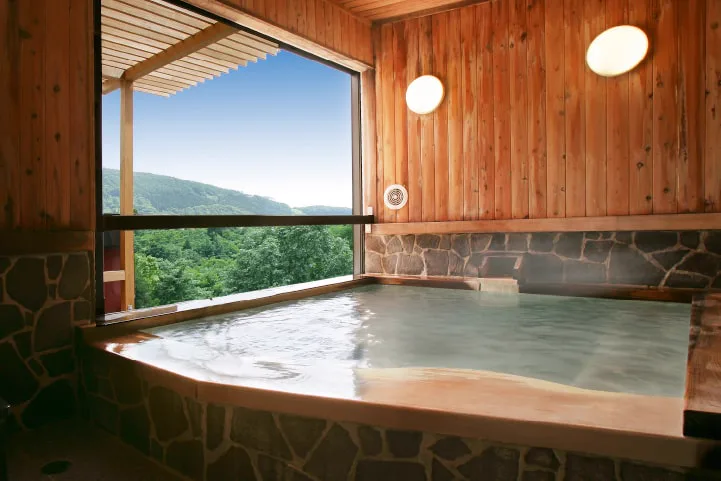
Tsuruya’s four private baths include Megumi-no-Yu, described by the inn as its largest bath and the one without level changes. It has a wheelchair-accessible toilet and a dedicated place to rest after bathing. The inn is opposite the bus terminal, and its official room information lists wheelchairs available for loan and a wheelchair-usable toilet in the building.
Those details make it the strongest starting point if a private bathing space and a short arrival walk matter. They do not tell you the height of the tub, whether there are handrails at the transfer point, or whether staff can help someone get into and out of the water. The published page does not promise a hoist or assisted transfer. Ask Tsuruya about the exact bath layout, reservation conditions, entry route and companion requirements before choosing it. A private room gives your party privacy; it does not automatically provide care equipment.
Shinzaemon-no-Yu: wheelchair to the changing room, not the bath
Shinzaemon-no-Yu’s current entry rules say visitors may use a wheelchair as far as the changing room, but not inside the bathing area. The facility requires an attendant of the same sex and says its staff cannot provide bathing assistance. That boundary is quite specific: visitors who need staff help or need to remain in a wheelchair through the bath will need another arrangement. Contact the facility directly if you use a transfer chair or have questions about the doorway and floor surface.
This is a useful full-service stop for visitors who can manage the bathing-room threshold with their own companion, but it should not be treated as a fully wheelchair-accessible bathing facility. Its opening and admission details are covered in the Zao day-use onsen guide.
The communal baths and open-air bath
Zao’s three communal bathhouses are compact neighbourhood facilities. Their official information lists hours and prices but does not publish wheelchair routes, accessible toilets, handrails or transfer equipment. That lack of detail is not proof that no one with limited mobility can use them; it does mean there is not enough published information to promise access. Ask the local tourism office or your accommodation about the specific bath and conditions on your travel date.
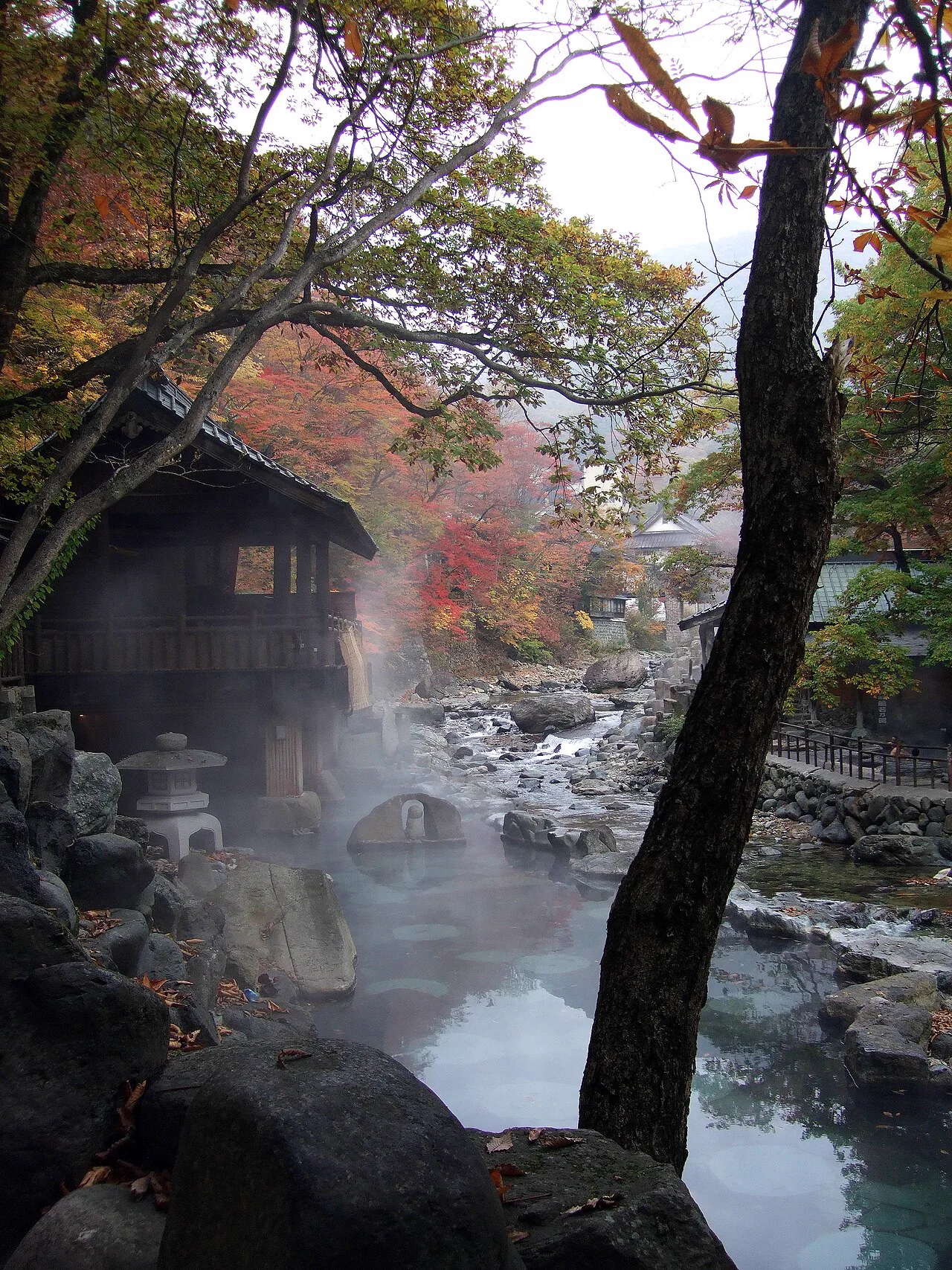
Dai-Rotenburo sits farther from the village terminal, beside a mountain stream. Its approach and outdoor setting add uneven ground to the bathing threshold, and the operator’s published information does not advertise accessible bathing equipment. If level access and a handrail are essential, a private indoor bath with a confirmed layout is a more realistic plan than arriving and hoping the path works.
A few questions to ask before you book
Describe the support needed rather than asking only whether a property is “barrier-free.” These details can change the answer:
- Can a taxi stop at the entrance, and is the route from the terminal level or sloped?
- Is there a step into the room, toilet or bath area? Is a roll-in shower available?
- Can a wheelchair reach the changing room, and where must it be left?
- What is the height of the bath edge? Are handrails, a transfer board, shower chair or lift available?
- Does staff assistance mean help at the ropeway gate, or does it include transfers at the bath?
- Is the support available in winter, when snow may cover the path?
If the answer is vague, ask for a photo or a quick phone confirmation of the exact route. For some travellers, Tsuruya’s private bath may solve the privacy issue but not the transfer; for others, the step-free gondola may make a summit visit possible even if the public baths are not a fit. Building the day around the confirmed part—and leaving the rest optional—keeps the plan honest.
Sources and date checked
- [Zao Ropeway: current facility and operating information](https://www.zaoropeway.co.jp/winter/guide.php) — describes the no-step/no-gap boarding interface on the Funitel summit line; check current seasonal operations. - [Yamagata Tourism: Zao Ropeway access and barrier-free details](https://yamagatakanko.com/transport/detail_7455.html) — advance staff assistance, accessible path near Jizo Summit, multipurpose toilet and written communication. - [Yamagata Tourism: Zao Ropeway barrier-free sheet](https://yamagatakanko.com/lsc/upfile/spot/0000/7455/7455_1_file.pdf) — station stairs and boarding-point steps with staff assistance noted; document linked on the tourism listing. - [Gokan-no-Yu Tsuruya: baths](https://www.tsuruyahotel.co.jp/onsen/), [room and facility information](https://www.tsuruyahotel.co.jp/room/) and [access](https://www.tsuruyahotel.co.jp/access/) — Megumi-no-Yu details, wheelchair amenities and location across from the bus terminal. - [Shinzaemon-no-Yu: entry rules](https://zaospa.co.jp/kiyaku) — wheelchair use to the changing room only, same-gender attendant required, no facility-provided assistance. - [Zao Onsen Mountain & Snow Resort: communal baths](https://zaomountainresort.com/about/) — published facilities, hours and rates; no detailed accessibility equipment is listed there.Checked: September 28, 2026. Access features and assistance arrangements should be reconfirmed directly with each operator, especially for winter travel.