Amihari Onsen Day Trip: Which Bath Should You Choose?
Choose Amihari’s main baths, Yakushi or seasonal Sennyo by price, opening window, winter conditions and the reserved Morioka shuttle.
Amihari Onsen sits on Mount Iwate’s southern slopes, about 40 minutes by car from Morioka IC. Qkamura Iwate Amihari Onsen calls its five bathing spots Amihari Go-yu. The name can sound like a five-bath pass, but day visitors pay separately for the hotel’s two baths, the day-use bathhouse and the seasonal outdoor bath. The footbath also closes for part of the year.
For a straightforward first visit, head to Yakushi no Yu. The main-building ticket suits anyone who wants two different baths, including an outdoor pool facing the mountains. Sennyo no Yu is the unusual option: a seasonal, mixed-gender outdoor bath with few facilities and weather-dependent opening. Decide which one you want before setting out; one ticket does not cover all five.
Prices and schedules below were checked on September 27, 2026. Seasonal facilities can close at short notice; check the resort’s current notice before setting out.
Pick a bath by the kind of visit you want
| Day-use option | Admission | Day-use hours | What you get | Keep in mind |
|---|---|---|---|---|
| Main building: Daishaku no Yu + Hakusen no Yu | Adult ¥1,000; child ¥500 | 10:00–15:00; last admission 14:00 | One ticket covers two baths. Daishaku has indoor and outdoor pools; Hakusen is hotter and indoors. | Yakushi and Sennyo are separate admissions. |
| Yakushi no Yu | Adult ¥700; elementary-school child ¥350 | Weekdays 9:00–17:00; weekends and holidays 9:00–18:00 | Indoor and outdoor baths, showers, toiletries, hair dryers, rest room and restaurant. | The outdoor bath may close in winter. |
| Sennyo no Yu | ¥700 per person aged 6+ | Scheduled for May 12–November 3, 2026; 10:00–15:00; last admission 14:00 | Mixed-gender outdoor pool beside the stream, about a 7-minute uphill walk from the hotel. | Rain or maintenance can cancel service. No shower, shampoo or lockable lockers. A suitable bathing garment is required; one is sold for ¥700. |
Choose Yakushi for a properly equipped day bath, the main building to compare two pools on one ticket, or Sennyo for the streamside setting. Yakushi’s and Sennyo’s ¥700 adult rates do not buy similar facilities, and the main-building ticket does not cover the other two options.
“Amihari Go-yu” is a name, not a day pass
The five spots in the resort’s Amihari Go-yu are Daishaku no Yu, Hakusen no Yu, Yakushi no Yu, Sennyo no Yu and the seasonal Shikaoi footbath. The resort’s day-use page explicitly says that the bathhouse, the hotel’s two baths and Sennyo are charged separately. In practical terms, the main building ticket bundles Daishaku and Hakusen; the other paid bathing facilities each need their own admission.
For an adult, the total depends on how many paid stops you choose. The amounts below use the admissions listed above; towels are not included.
| Visit | Bathing total | With Sennyo garment |
|---|---|---|
| Main building + Yakushi | ¥1,700 | — |
| All three paid options | ¥2,400 | ¥3,100 |
Face towels cost ¥250 and bath-towel rental ¥300 at the main building and Yakushi. If you only want one soak, there is no need to turn the five-bath name into a checklist.
The main building: two baths with different moods
Daishaku no Yu is in the hotel’s west wing. Both sides have an indoor bath and an outdoor pool overlooking the Shizukuishi fields and Ōu Mountains. In winter, snow can drift into the outdoor bath. Lockers are in the changing area; the bath area lists hair dryers, a water cooler, shampoo and skin-care products.
Day admission ends at 15:00, and reception closes at 14:00. Overnight guests have a separate bathing window, from 5:30 until midnight.
Hakusen no Yu is in the east wing and has indoor baths only. Its appeal is the hotter water and the simple, wooden bathhouse atmosphere. The resort lists a bathing target of about 42–44°C there, compared with roughly 40–42°C for Daishaku. Those are managed bath temperatures, not the temperature of the spring at its source.
Amihari’s source water is around 73°C. The resort describes the spring as a simple sulfur spring with hydrogen sulfide, at pH 4.1. The water’s route is unusual: hot steam near an old crater on Mount Inukura mixes with stream water, then travels about two kilometres through pipes to the bathing areas. Daishaku and Hakusen are described as flowing-water baths and are drained and cleaned regularly. That does not mean 73°C source water reaches the pools unchanged; the resort manages each bath separately.
Yakushi no Yu: the simplest day-use stop
Yakushi no Yu is a five-minute walk from the hotel, along a boardwalk and across Yunozawa Bridge. It was built for day visitors, with indoor and outdoor baths on both sides, shower booths, toiletries, free mini-lockers, hair dryers, a rest room, dining area, shop, massage chairs and an accessible toilet.
| Yakushi no Yu | Current listing |
|---|---|
| Adult admission | ¥700 (raised from ¥600 when the bath reopened on April 11, 2026) |
| Elementary-school admission | ¥350 |
| Ten-visit adult pass | ¥6,000; valid for six months |
| Overnight guests | Free with room number and name at reception |
| Reception hours | Weekdays 9:00–17:00; weekends and holidays 9:00–18:00 |
| Restaurant | 11:00–13:30 |
| Parking | Free, about 30 spaces |
The resort lists reception hours, not a separate last-departure time. If you arrive near closing, ask staff how long you may stay in the bath.
Winter needs a little extra care. Yakushi’s outdoor bath was closed from December 13, 2025, through April 10, 2026, and reopened the following day. The resort warns that low water volume, cold air and wind-driven snow can make it impossible to keep the outdoor pool warm enough. The indoor bath may still be available, but a snowy outdoor soak is never guaranteed.
Sennyo no Yu: check the weather and bathing rules first
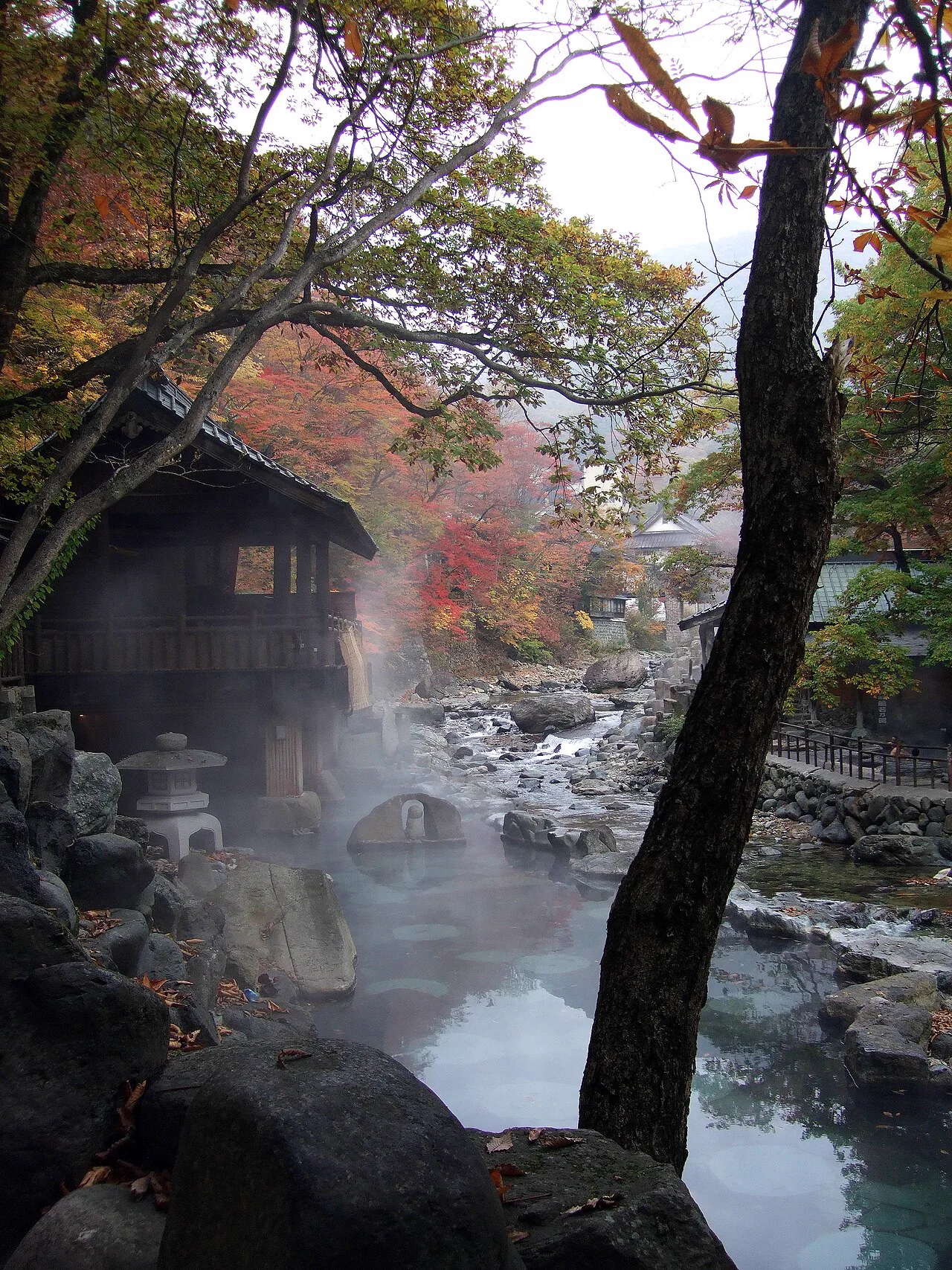
Sennyo no Yu is the bath to make a trip for if the streamside setting is the point. From the hotel entrance, it is about a seven-minute walk on a mountain path. At the end are basic changing huts and one mixed-gender rock pool beside Kamedaki Falls and the Yunozawa stream. There are no showers, toiletries or lockable lockers; the hotel front desk can hold valuables. Photography is prohibited.
The 2026 season opened on May 12 and is scheduled to run through November 3. That end date is a plan, not a guarantee: rain cancels bathing, and weather, snowmelt or maintenance can affect opening dates. Day visitors pay at the hotel front desk before walking over.
| Sennyo no Yu day-use detail | Listing |
|---|---|
| Bathing window | 10:00–15:00 |
| Last admission | 14:00 |
| Bathing garment | ¥700 at the hotel; suitable garments brought from home are allowed |
Overnight guests may have a longer seasonal bathing window.
Sennyo is mixed bathing, and the resort asks visitors not to bathe nude. The resort says people with tattoos too large to cover cannot use this bath. If you want a proper shower, a hair dryer or an indoor place to sit down afterward, choose Yakushi instead.
What the water looks and feels like can change
The resort classifies Amihari’s water as a simple spring and simple sulfur spring, with weak acidity (pH 4.1). All five bathing spots draw from the source area near Mount Inukura. Rain and snowmelt add stream water, which can make the pools look milkier and strengthen the sulfur smell. In winter, less stream water can leave the water nearly clear.
Bath temperatures also differ from the source temperature. Daishaku is managed at about 40–42°C and Hakusen at about 42–44°C. The resort does not publish a full fixed temperature for every pool at Yakushi and Sennyo, so it is better not to assume that all five baths feel alike. For a primer on reading these details, see how onsen water temperature is measured and how to compare hot-spring water.
Getting there without a car
Driving from Morioka IC takes about 40 minutes. Public transport is less straightforward: the Iwate Bus Association says the regular Morioka Station–Amihari Onsen route ended on March 31, 2019.
Qkamura currently lists a free shuttle from Morioka Station’s west exit, with departures from Morioka at 9:30, 11:30, 14:45 and 16:45, and returns from the resort at 8:30, 10:30, 13:45 and 15:45. The resort presents this chiefly as a service for overnight guests and says it must be reserved. Do not count on turning up for a free shuttle as an ordinary walk-in day visitor. The hotel also says there is no regular connection from the nearby JR stations at Koiwai or Shizukuishi.
There is a day-use room-and-lunch plan that specifically includes the Morioka shuttle. For the 2026 plan, the room is available 11:00–14:00 and bathing 10:00–15:00; guests may use all the baths. The resort asks for reservations by 17:00 the day before. The shuttle leaves Morioka Station West Exit at 9:30 and departs the resort at 15:45. Confirm the plan and availability with the hotel before booking transport.
That distinction matters when comparing costs. A driver can reach Yakushi for ¥700 admission, while a visitor without a car may need a reserved plan that includes transport. The bath price alone does not tell you what a car-free day will cost.
Visiting in winter
Sennyo no Yu and the Shikaoi footbath close for winter. Sennyo usually shuts in early November and is expected to reopen around mid-May, but the actual dates depend on conditions.
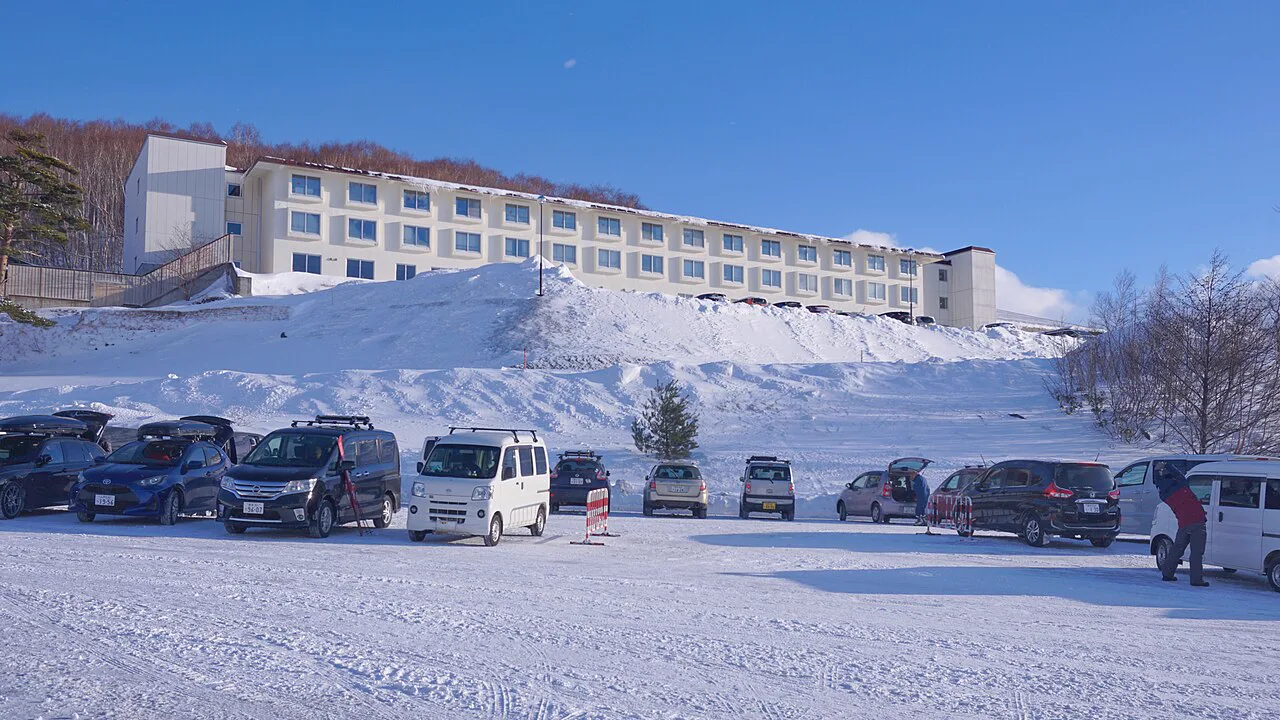
The outdoor baths at Daishaku and Yakushi may also be suspended if wind, snow or low water volume prevents the pools from holding temperature. The indoor baths are the safer reason to go; check the resort’s latest notice if an outdoor soak is essential to your plans. Winter drivers should fit snow tires and consider carrying chains. Snow and ice can affect the road from Morioka IC.
Which bath suits your group?
For a first visit, Yakushi is the least complicated: it has proper wash facilities, a rest room and longer reception hours. The main building makes more sense if you want to compare the open-air setting at Daishaku with the hotter indoor bath at Hakusen. Sennyo is a deliberate choice for people comfortable with mixed bathing, a basic changing area and no shower.
Families with young children may find Yakushi or Daishaku easier. The hotel lists a diaper-changing station at Yakushi; Daishaku has a diaper-changing table. Sennyo’s rougher access and lack of bathing facilities make it a poor default for a first onsen visit with a toddler.
Sennyo is reached by a seven-minute walk on a mountain path. Yakushi has an accessible toilet; step-free access from the approach to each bathing area is unconfirmed. Ask Qkamura about the route if someone in your party has limited mobility.
If water quality is your main concern, there is no useful ranking of one bath as “better.” They draw from the same Amihari system; the practical differences are pool temperature, setting, facilities and season.
Official information
- Qkamura Iwate Amihari Onsen: day-use bathing, prices and facilities
- Qkamura Iwate Amihari Onsen: spring and bath details
- Qkamura: Yakushi no Yu maintenance, reopening and 2026 price change
- Qkamura: Sennyo no Yu opens for the 2026 season
- Iwate Bus Association: Morioka routes
- Qkamura: access and shuttle information
- Qkamura: frequently asked questions
- Qkamura: 2026 day-use room and lunch plan
- Wikimedia Commons: Sennyo no Yu photo
- Iwate Bus Association: image of Morioka bus routes, official site
- Wikimedia Commons: Qkamura Amihari Onsen photo
Tags: Amihari Onsen, Iwate hot springs, day-use onsen, Morioka day trip, outdoor hot spring, winter onsen, Japan without a car