Izumi Tenku no Yu at Haneda Airport: Hours, Fees and Terminal Access
Check Haneda’s Izumi Tenku no Yu hours, ¥4,800 admission, cleaning break and night surcharge, plus the overnight shuttle gap to Terminals 1 and 2.
Updated September 27, 2026.
A ¥4,000 surcharge applies if you are inside between 1 and 5 a. m. ; visitors using Terminals 1 or 2 also need to plan the transfer back, as the free shuttle bus has an overnight gap.
This is a full spa stop, not a cheap place to shower before a flight. The price makes more sense when you have several hours for the hot spring, sauna, bedrock bath and rest areas. A tight connection or a suitcase too large for the airport lockers can erase the convenience of being next to Terminal 3.
The price depends on whether you cross 1 a.m.
| Item | Current charge |
|---|---|
| Adult admission, junior high school age and older | ¥4,800 |
| Child admission, age 4 through elementary school | ¥2,000 |
| Adult late-night surcharge | ¥4,000 |
| Child late-night surcharge | ¥2,000 |
Adult admission includes the bathing tax, face and bath towels, indoor wear and use of the bedrock-bath area. Meals, body care and exfoliation cost extra. The late-night surcharge is charged automatically to anyone still inside at any point from 1 a. m. to 5 a. m. ; it is not calculated by the number of hours spent there.
An adult whose visit crosses that window pays ¥8,800 before food or treatments.
Payment is accepted by cash or credit card, plus iD and QUICPay. Visitors aged 4 through elementary school pay ¥2,000; children aged 0–3 and anyone wearing diapers cannot enter. Children under 18 need a guardian to stay after 11 p. m.
The mixed-bathing rule allows children up to age 6 to bathe with an adult of the opposite sex; children aged 7 or older, or at least 120 cm tall, must use the bath for their own sex. Bedrock bathing is limited to junior-high age and older.
If the plan is to leave just before 1 a.m., there is another timing trap: checkout and payment procedures are unavailable from 1:00 to 1:30 a.m. because of equipment maintenance. Settle the bill and leave before 1, rather than aiming to tap out at 1:10. Visitors under 18 may not remain after 11 p.m. unless accompanied by a guardian.
The official rate for guests at Villa Fontaine Grand Haneda Airport is ¥2,500 for adults and ¥1,250 for children, with towels included; bedrock bathing costs an additional ¥800. Guests at Villa Fontaine Premier Haneda Airport may use the bath free, with towels included and bedrock bathing also ¥800 extra. Hotel guests are exempt from the late-night surcharge.
These are accommodation-guest rates, not discounts for anyone arriving at the airport.
The spa is open all day; the baths are not
The facility itself and the Izumi Tenku restaurant operate 24 hours. The large baths and saunas are open from 12:30 p.m. until 10 a.m. the next day, closing for cleaning between 10 a.m. and 12:30 p.m. The bedrock bath runs from 12:30 p.m. until 9 a.m.
That midday cleaning break matters after an overnight flight. You can enter the building, eat or rest, but you cannot use the bathing area during those 2½ hours. Check the bath schedule against your landing time, baggage claim and immigration queue; a flight due in just before 10 a.m. can easily turn into an arrival during the closure.
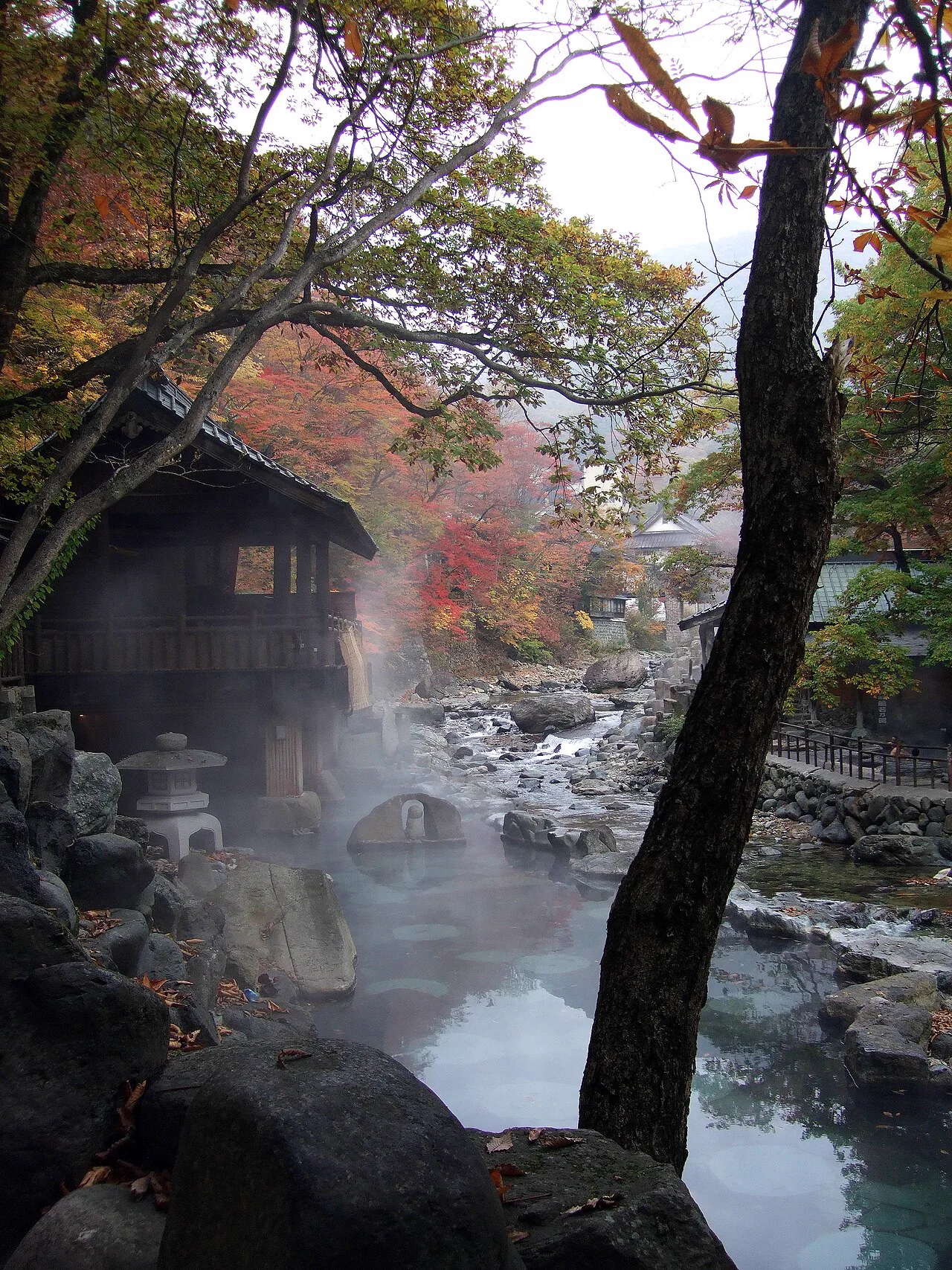
The spa has its own natural spring, Haneda Airport Izumi Tenku Onsen. The water is classified as a highly saline iodine-sodium-chloride spring and is heated and circulated through filtration. Natural water is used in the designated outdoor and indoor hot-spring baths; the carbonated bath, jet bath and cold plunge are separate pools.
Women’s open-air bath is named Fujimi-no-Yu and is positioned for views of Mount Fuji, while the men’s Ginyoku-no-Yu looks toward aircraft. Visibility and runway activity affect what can be seen, so treat the view as a possibility, not a timed attraction.
Terminal 3 is the easy part
Haneda Airport Garden and the spa connect directly to Terminal 3. From the second-floor arrival lobby, follow the indoor corridor into the complex. The Keikyu and Tokyo Monorail Terminal 3 stations also connect to the same area. You do not need to go outside or take a shuttle if your flight uses T3.
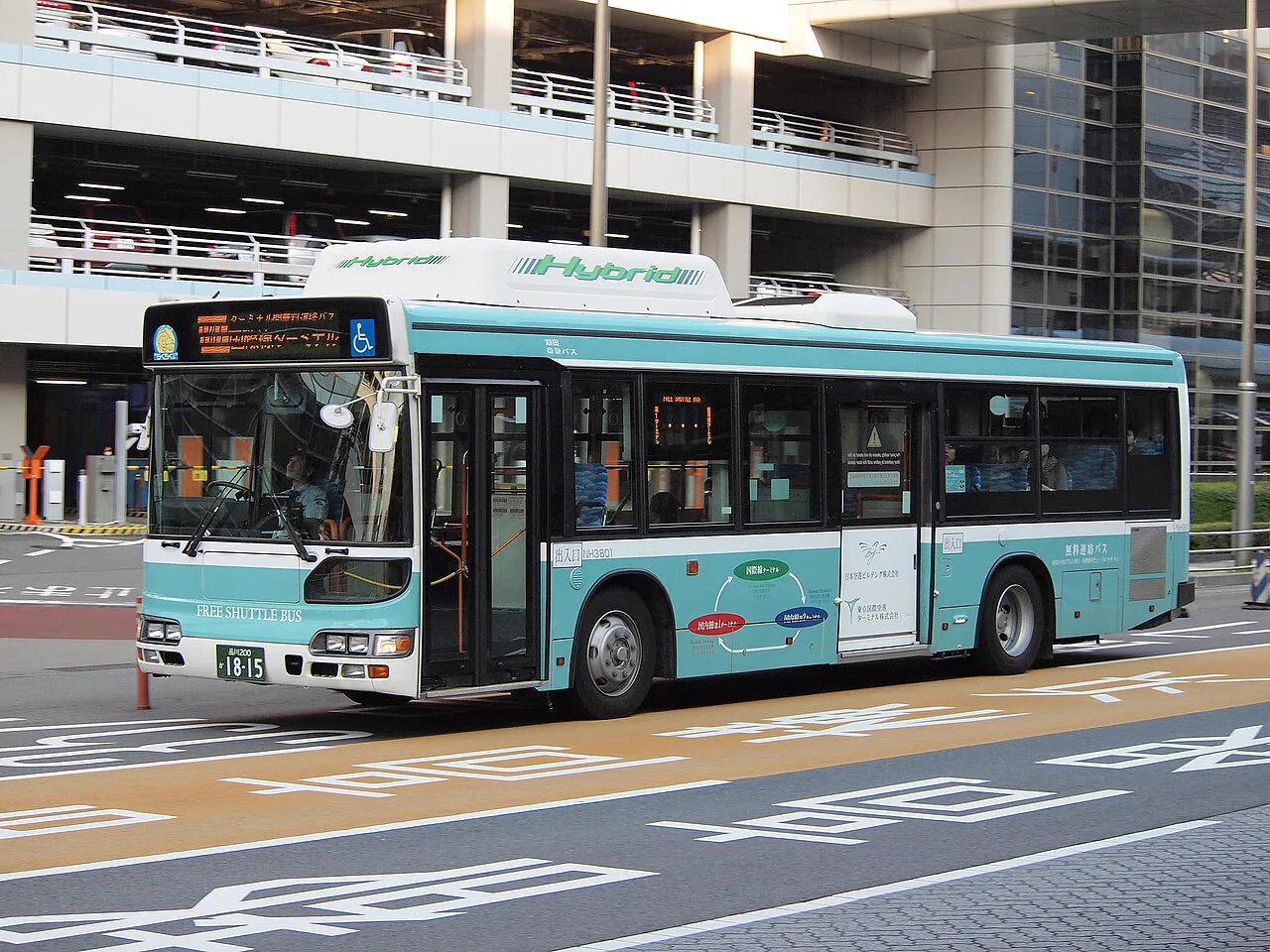
Terminals 1 and 2 are different: the airport’s free inter-terminal bus does not run through the whole night. Under the timetable posted from August 18, 2026, the last T3-to-T1-to-T2 bus leaves Terminal 3 at 1:15 a.m.; the first leaves at 4:47 a.m.
In the other direction, service from Terminal 1 to Terminal 3 runs from 5:04 a. m. until 1:32 a. m. the following day. The T2-to-T1-to-T3 route runs from 5 a. m. until 1:28 a. m. Buses are scheduled every four minutes from 5 a. m. to 8 p. m. and every eight minutes from 8 p. m. to midnight.
Check the airport’s live notice and timetable for your travel date, especially if you will be at the spa near either end of the service window.
Keikyu trains and the Tokyo Monorail are other ways to travel between terminals, but their overnight operation is not continuous either. If the flight leaves from T1 or T2, count both the outbound and return transfers in your usable spa time. A low-cost flight with a 3 a.m. departure from another terminal is not automatically compatible with an overnight bath visit.
Check the suitcase before leaving the terminal
Wheeled suitcases and carry-on cases with wheels are not allowed inside the spa. Store them first at the second-floor Omotenashi Center or in a coin locker. The staffed luggage counter is open from 10 a.m. to 9:30 p.m.; it is not a solution for a late-night arrival.
Haneda Airport Garden lists 24-hour lockers on the first floor behind the bus terminal and on the second floor by the lifts. Current daily rates are ¥500 for a small locker, ¥700 for a medium and ¥900 for a large. The largest locker measures about 35 cm wide, 67 cm deep and 87 cm high.
Measure your case including wheels and handles before relying on it. If the bag does not fit, contact the luggage service during its staffed hours or use an airport luggage counter; do not expect to bring it into the bathing complex.
Lockers are also useful if you have shopping bags or cabin baggage. Once you enter the spa, day visitors cannot leave and come back on the same admission. Re-entry means paying the admission fee again, so finish check-in, luggage collection and any terminal errands first.
The official FAQ and terms do not clearly state whether guests with tattoos may use the baths. The absence of a published blanket ban is not a promise of entry; contact the facility before travelling if this affects your choice. The listed contact number is 03-6459-9770.
A rest lounge is not an overnight room
The spa has relaxation areas, but no accommodation rooms. If you need proper sleep, compare a room at one of the attached Villa Fontaine hotels rather than treating a lounge chair as a hotel bed. A non-hotel visitor who remains between 1 and 5 a. m.
pays the surcharge on top of admission, bringing the adult total to ¥8,800; the surcharge is waived for guests staying at the attached Grand or Premier hotels.
Capacity can also be limited when the spa is busy, with hotel guests given priority for entry. That is another reason not to plan a close flight connection around a guaranteed walk-in admission. Check facility notices for irregular maintenance closures, and leave a margin for security and the terminal transfer after checkout.
For a side-by-side look at other large urban baths, the Tokyo new-generation onsen comparison places Haneda beside Kakeinoyu and Toyosu Manyo Club. If the airport is not already part of your route, Natural Onsen Heiwajima has a different Haneda shuttle plan; it is not connected to a terminal in the same way.
Sources
Tags: Izumi Tenku no Yu Haneda Airport, Haneda Airport onsen, Haneda Terminal 3 spa, Haneda layover, Tokyo airport hot spring, Haneda overnight bath