Sento, Onsen and Super Sento: What the Labels Mean in Japan
‘Sento,’ ‘onsen’ and ‘super sento’ can overlap, but describe different things. Check a bath’s water source and what admission covers before choosing.
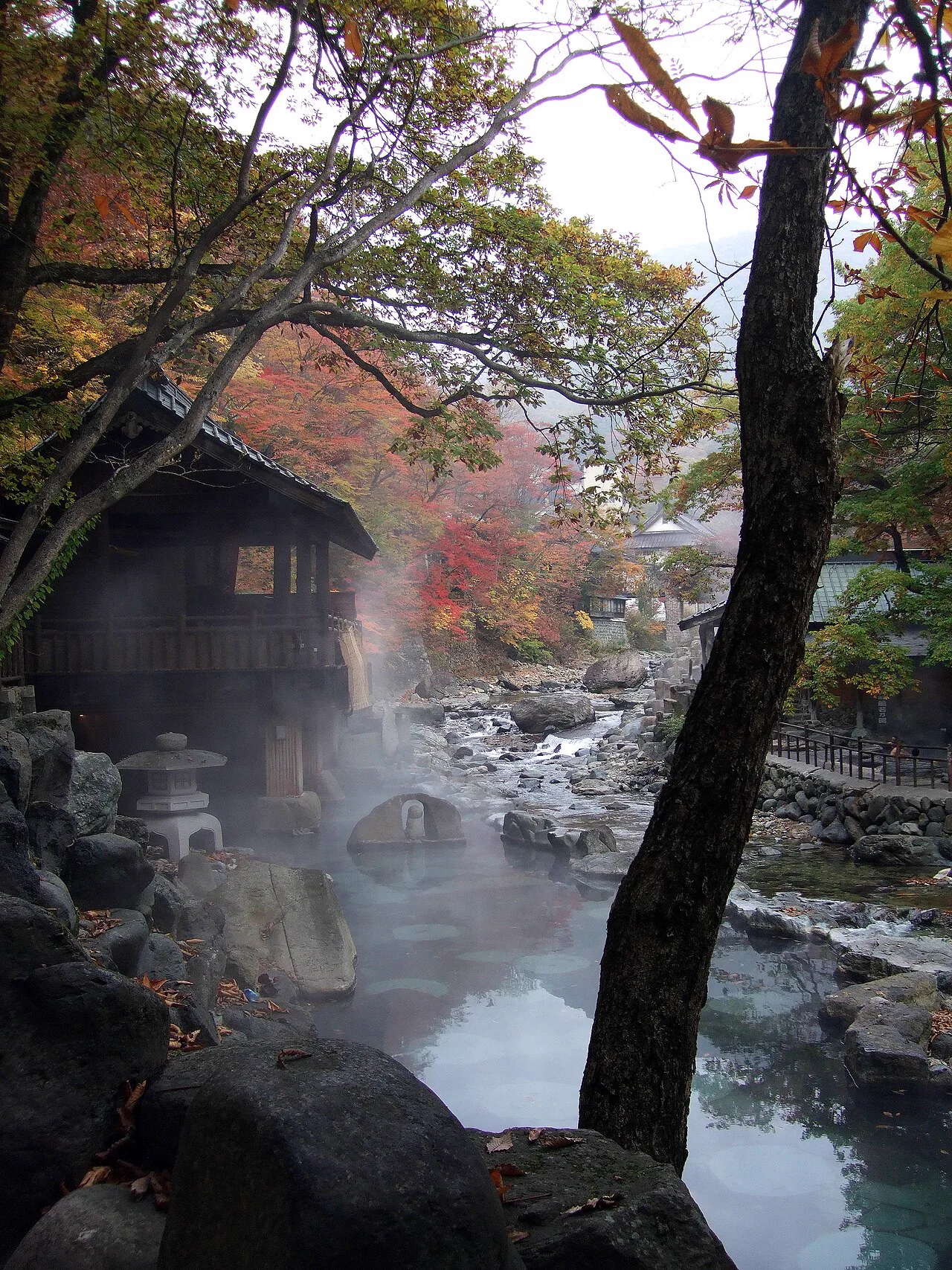
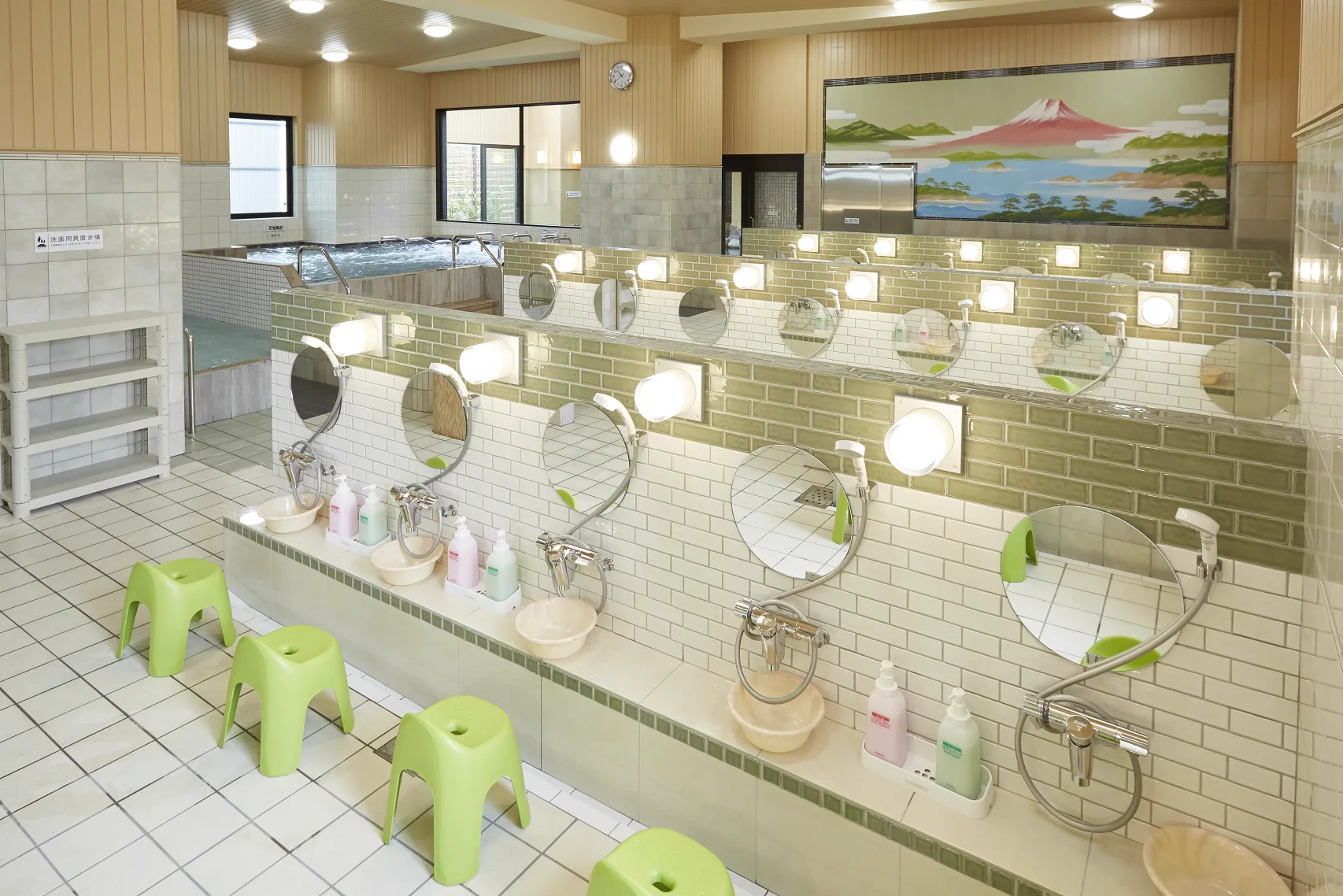
The names on Japanese bathhouses can overlap. A sento is a public bathing facility; an onsen is defined by the source water under Japan’s Hot Springs Act; and “super sento” is a common label for a larger bath-and-leisure complex. A place may be both a sento and an onsen, while a super sento may offer natural spring water in some baths and ordinary heated water in others.
Start with what you want from the visit
| Label | What it tells you | What it does not guarantee |
|---|---|---|
| Sento | A public bathhouse, often used for an everyday wash and soak | A natural hot spring, sauna, towel rental or a long-stay lounge |
| Onsen | The source meets the legal definition of a hot spring | That every tub uses the spring water, or that the water is untreated |
| Super sento | A larger bathing complex, often with several baths and places to eat or rest | A particular spring quality, included sauna or one flat price for every facility |
If you only have an hour, a nearby sento or day-use bath is usually the simpler plan. When natural spring water matters, check which specific bath uses it. A super sento makes more sense when you want to spend several hours bathing, eating or using add-on facilities. The labels are a starting point, not a quality ranking.
A sento can use natural spring water
Japan’s Public Bath Act separates ordinary public bathhouses from other public baths such as larger leisure facilities. In everyday travel terms, “sento” is useful for finding a public bath you can enter for a fee; it says little about the water itself.
Some sento draw natural spring water. Tokyo’s Hisamatsuyu supplies its natural spring to the outdoor baths and has a separate artificial carbonated bath indoors. At any facility, look for the source name, spring analysis and a clear description of which tubs receive that water. A sign or name containing “onsen” is not enough to tell you how every bath is supplied.
What counts as an onsen?
Under Japan’s Hot Springs Act, groundwater qualifies if it emerges at 25°C or warmer, or if it contains at least one of the specified substances at the required concentration. Those are alternative tests. Water below 25°C can still qualify through its mineral composition; heating ordinary tap water does not turn it into a natural hot spring.
Source temperature and the temperature in the bath are different measurements. Facilities may heat, dilute, circulate, filter or disinfect spring water. If you care about a particular bathing style, check the analysis certificate and the facility’s notes on how the water is used. Our guide to reading Japanese hot-spring water quality explains the terms on those documents.
“Super sento” describes the outing, not the spring
The term is commonly used for larger bathing complexes with multiple baths and extras such as a restaurant, lounge or bedrock-bathing area. It is not a legal spring classification. A facility may combine a natural spring bath with tubs supplied by well water or treated water, and optional services can cost extra.
Before you go, check the admission breakdown: basic bathing, sauna, bedrock bath, towel set, indoor wear and food may be priced separately. A low entry price is not necessarily the total for the visit you have in mind. For a practical comparison of three Tokyo facilities, see our Tokyo sento first-visit guide.
Tokyo’s controlled-rate adult bathing fee for qualifying ordinary public bathhouses is capped at ¥600 from 1 August 2026. That cap does not set prices for every hot-spring inn, day spa or super sento, and it does not include optional services.
The three Tokyo examples in our comparison show how quickly add-ons change the total. These are facility-specific rates, not a national price comparison.
| Facility | Basic entry | Common add-ons | Example total |
|---|---|---|---|
| Haginoyu | ¥600 | Sauna ¥350 weekdays, ¥450 weekends/holidays or ¥600 on specified dates; towel set ¥100 | Weekday bath and sauna: ¥950 before towels |
| Hisamatsuyu | ¥600 | Sauna ¥550; bath towel ¥150; face towel ¥100 | Bath and sauna: ¥1,150; both towels bring it to ¥1,400 |
| Sayano-yudokoro | ¥970 weekdays; ¥1,300 weekends/holidays | Bedrock bath ¥760, only with admission; towel set ¥380 | Weekday entry and bedrock bath: ¥1,730 before towels |
The rates below come from each facility’s published listing and may change. Tokyo’s ¥600 cap applies only to qualifying ordinary public bathhouses, not the larger day spa’s entry fee.
Sources
- [Ministry of the Environment: definition of hot springs under the Hot Springs Act](https://www.env.go.jp/nature/onsen/point/) - [Ministry of Health, Labour and Welfare: overview of the Public Bath Act](https://www.mhlw.go.jp/stf/seisakunitsuite/bunya/kenkou_iryou/kenkou/seikatsu-eisei/seikatsu-eisei04/04.html) - [Ministry of Health, Labour and Welfare: public bath business overview](https://www.mhlw.go.jp/stf/seisakunitsuite/bunya/kenkou_iryou/kenkou/seikatsu-eisei/seikatsu-eisei03/04.html) - [Tokyo Metropolitan Government: controlled-rate public bath fees effective 1 August 2026](https://www.my.metro.tokyo.lg.jp/w/116-20260721-262339183) - [Hisamatsuyu: spring water and bathing facilities](https://www.hisamatsuyu.jp/contents/category/onsen/) - Images: [WikiTaro, “Japanese communal bathhouse SENTO Sentō 銭湯の浴室.jpg”](https://commons.wikimedia.org/wiki/File:Japanese_communal_bathhouse_SENTO_Sent%C5%8D_%E9%8A%AD%E6%B9%AF%E3%81%AE%E6%B5%B4%E5%AE%A4.jpg), CC0; [おにく, “Urijima-onsen Hot spring.jpg”](https://commons.wikimedia.org/wiki/File:Urijima-onsen_Hot_spring.jpg), CC0. Both used unchanged. Checked: 2026-09-27Tags: Japan, sento, onsen, super sento, public bath, hot springs