Staying at Grand Prince Hotel Hiroshima: Seto-no-Yu, the Bay and Miyajima
Check whether Seto-no-Yu is included in your Grand Prince Hotel Hiroshima rate, what the public bath costs, and how the hotel shuttle and Miyajima pier work.
Grand Prince Hotel Hiroshima makes the most sense when the bay is part of your itinerary. It has a genuine natural hot-spring bath, Seto-no-Yu, and a pier with a direct boat service to Miyajima. The trade-off is its waterfront location in Ujina: central Hiroshima is not on the doorstep, and the bath costs extra on many room plans.
Before booking, check two separate things: whether your rate includes Seto-no-Yu, and whether the hotel’s shuttle or Miyajima boat runs at a useful time on your dates. Neither is something to assume from the room name or the fact that the hotel has a pier.
What the Seto-no-Yu charge covers
Seto-no-Yu, on the third floor, is for overnight guests. Access costs ¥2,000 per adult per stay and ¥1,000 for children aged 4–11, unless included in the plan. Children under four cannot enter; those aged 4–11 need an accompanying adult. Opposite-sex bathing with an adult is allowed only through age six. The hotel may restrict entry for tattoos, so contact it before booking if that applies to you.
The bath is open from 6 a.m. to midnight. Adult last reception is 11 p.m.; children’s last entry is 9 p.m. The hotel may limit capacity or time in the facility, and hours can change. Since the charge is per stay rather than per visit, it can cover a late soak and another the next morning—provided your plan does not already include it.
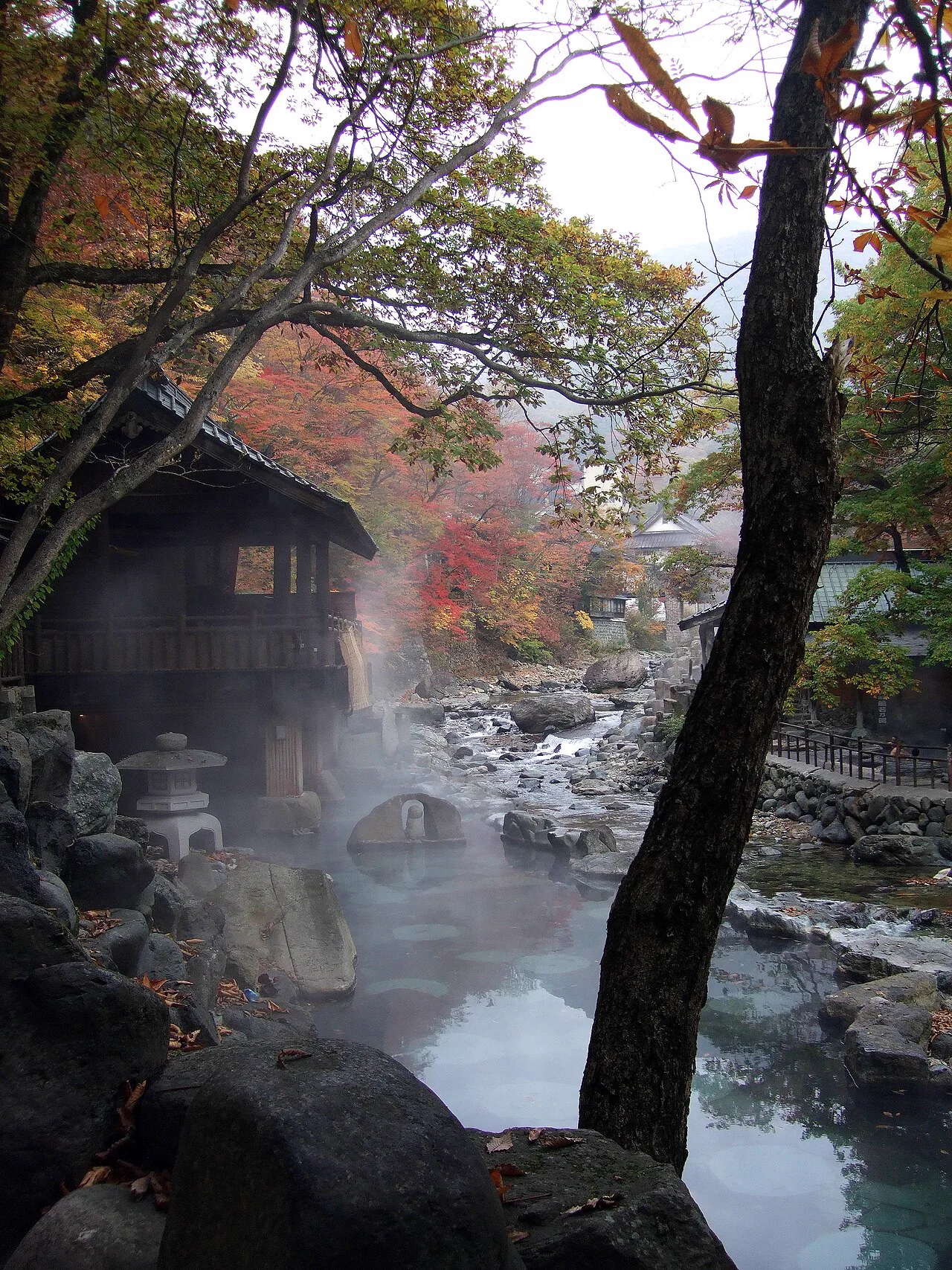
Seto-no-Yu has indoor and panoramic open-air baths, a blower bath and a sauna. Its spring is classified as weakly radioactive sodium-calcium chloride water, with a source temperature of 25.7°C. The hotel does not publish temperatures for the bathing pools or identify which individual tubs use the spring water.
Room choice is a different question. The hotel’s room descriptions do not identify standard in-room tubs as using Seto-no-Yu. If bathing in natural spring water matters, plan on using the shared bath; an ocean-view room buys the view, not a private onsen.
Don’t confuse the onsen with the pool or gym
Seto-no-Yu is the hotel’s public bathing facility. The outdoor swimming pool is a separate seasonal amenity, while the fitness gym is another separately managed, paid facility. Neither should be counted as part of onsen access. The pool is seasonal and is not open year-round, so check its own dates and admission terms if you are travelling in summer.
Package names can also be misleading. Some room plans include Seto-no-Yu, while others— including plans with breakfast or a Miyajima boat ticket—may not. Read the benefits section for the exact words about bath access and any exclusions. A current hotel offer, for example, may bundle the bath, while the general overnight rate does not. Compare the final room total plus the bath fee for everyone in your party before paying.
Day visitors should note that the hotel does not list a simple walk-in bath-only ticket as its standard arrangement. Its current day-use access is sold through meal-and-onsen plans, generally with advance booking and date exclusions. If you are staying elsewhere and only want a soak, a city day-use bath is likely a more practical comparison.
The current day-use menu is a meal-led half-day product, not a public-bath substitute. Listed options include breakfast with bath access for ¥4,000, a lunch course at ¥5,000 on weekdays or ¥5,500 on weekends and holidays, and dinner with bath access for ¥8,000. Seasonal buffet plans add the onsen option separately; confirm the current menu, bath window and advance-booking rule before paying. A room plan that includes Seto-no-Yu may be better value if two adults intend to bathe twice—once at night and again in the morning—than adding the per-stay fee separately.
The station shuttle is useful, but runs to a timetable
The hotel operates a free shuttle to and from the Shinkansen entrance at Hiroshima Station’s north exit. The ride takes about 30 minutes, and seating is limited. Published departures from Hiroshima Station are 10:30 a.m., 11:50 a.m., 1:10 p.m., 3:20 p.m., 4:40 p.m., 6 p.m. and 7:20 p.m.
Return buses leave the hotel at 9:50 a.m., 11:10 a.m., 12:30 p.m., 2:40 p.m., 4 p.m., 5:20 p.m. and 6:40 p.m. Check the hotel’s live timetable before travelling; traffic can delay the trip, and a full bus may leave some passengers behind.
There is no direct airport shuttle to the hotel. From Hiroshima Airport, first travel to Hiroshima Station, then use the hotel bus or another local connection. If you expect to spend most of your trip around Hiroshima Station, Hacchobori or Hondori, the daily detour to Ujina may outweigh the waterfront setting. The Hiroshima hotel onsen comparison covers more central bases.
A direct Miyajima boat can simplify one day
The hotel’s pier is the reason Ujina can work well for a Miyajima itinerary. The crossing takes about 26 minutes, rather than travelling back through town to Miyajimaguchi and taking the regular ferry. Services are limited to scheduled departures, though, so check the operator’s timetable and reserve when possible; a boat from the hotel pier is not an on-demand service.
The boat operator currently lists an adult one-way fare of ¥2,500 and a child fare of ¥1,250. Its fare page and the hotel’s pier page do not present the return fare and Miyajima visitor-tax treatment consistently, so check the final price shown when booking. Do not assume the boat is included in an overnight rate: only count it if your selected package explicitly says so.
That connection is particularly handy if you plan to stay near the bay before heading to Miyajima the next morning. If Miyajima is not on your route, the hotel’s distance from downtown is harder to justify on transport alone.
A few dates need an extra check
The hotel has announced a full closure on January 25, 2027 for statutory electrical inspection and Seto-no-Yu maintenance, with some facilities operating on adjusted schedules over the following days. If your stay falls around then, read the hotel’s maintenance notice before booking.
Recent guest feedback points to a generally steady cleanliness picture, but the source guide rates cleanliness at 85/100 rather than treating it as flawless; a smaller number of comments mention wear in some room bathrooms and upkeep details. If that matters to you, look at recent photos and reviews for the floor and room type you are actually booking. The score describes the property overall, not a guarantee about a particular room.
For a broader look at public-bath options around the city, see the Hiroshima natural-onsen hotel comparison. For Grand Prince, the practical booking check is simpler: confirm the bath inclusion, room type, shuttle or boat timing, and cancellation terms on the exact plan you are about to buy.
These booking links may earn a commission on eligible stays. The price is not increased for you; confirm the room, meals, bath access, boat ticket and cancellation terms on the booking page.