Chigira Jinsentei in Ikaho: Kogane-no-Yu and Which Room to Book
Chigira Jinsentei uses Ikaho’s Kogane-no-Yu and includes four free private baths; compare room layouts before paying for an in-room tub.
Checked: September 27, 2026
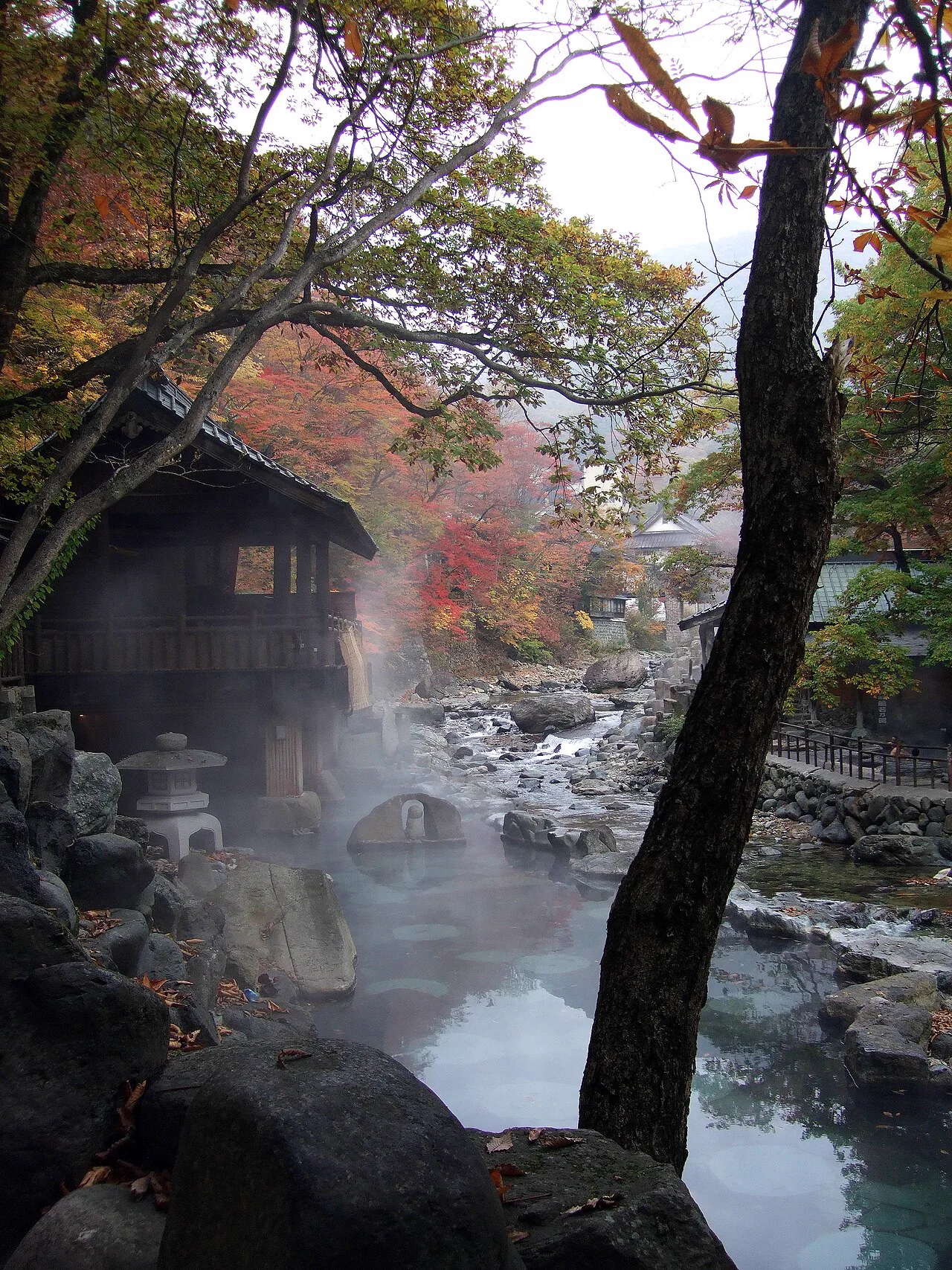
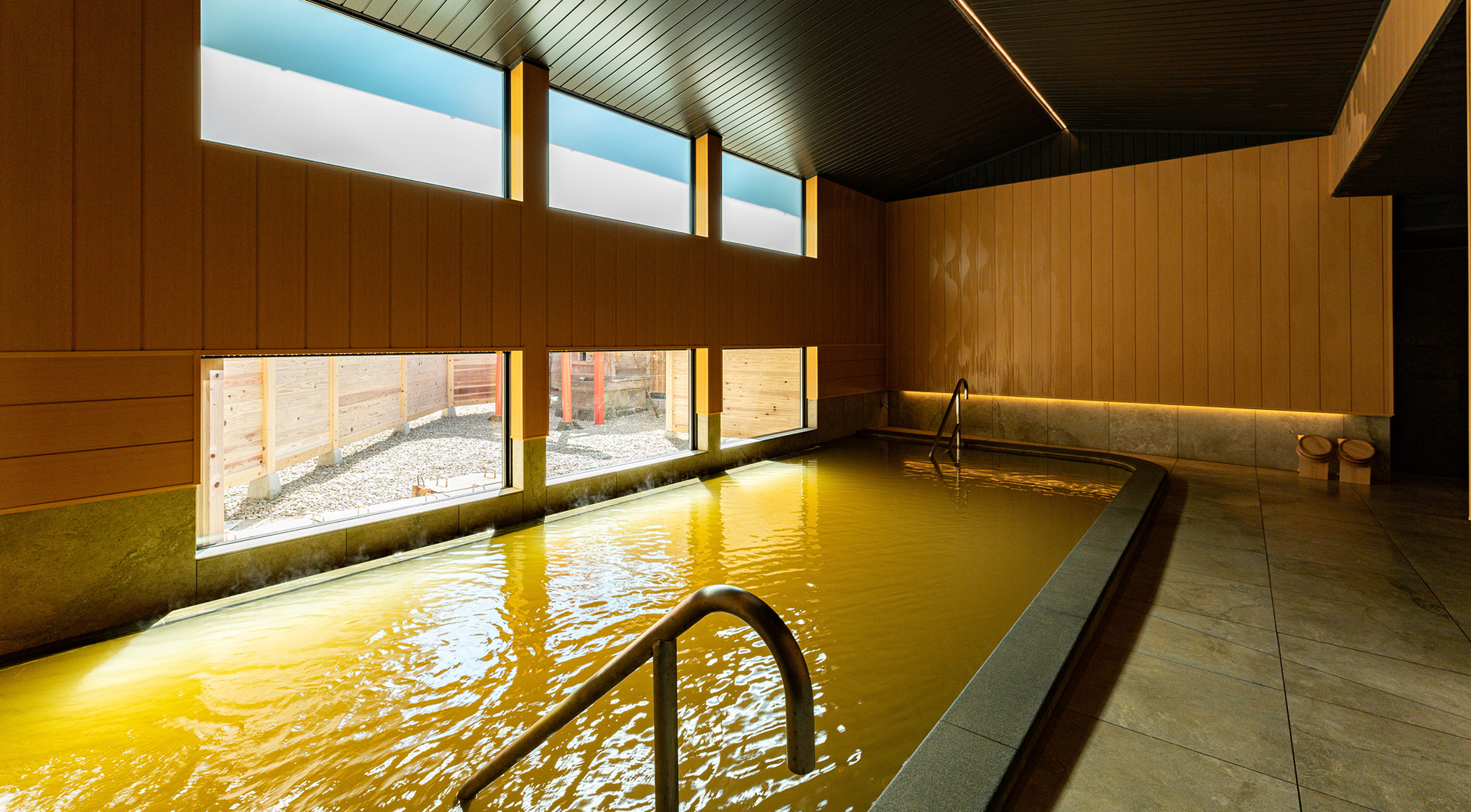
Chigira Jinsentei is a historic wooden ryokan on Ikaho’s stone-step street. Its main draw is unusually straightforward: the shared baths, outdoor baths, private baths and designated guest-room baths all use Kogane-no-Yu, the brownish spring associated with Ikaho. The property describes its baths as 100% source-flow, without adding water or recirculating it.
That does not mean you need a premium room to bathe in private. Four private baths are included for overnight guests and do not take reservations. The paid upgrade is for having a spring bath in your own room, ready whenever you want it.
| Room choice | In-room Kogane-no-Yu | Practical detail |
|---|---|---|
| Regular main-building room | No | Includes access to the public baths and four free private baths; wooden rooms can carry sound |
| Annex Tsuru no I, 4 rooms | Yes, source-flow | Second floor has no elevator; meals are served in the main building; checkout is 11 am |
| Main building rooms 155, 156 or 157 | Yes, source-flow | First floor, listed as wheelchair-usable; checkout is 11 am |
A regular room already comes with four private baths
The four private baths—Megumi, Kokoro, Ikoi and Izumi—are on the second and third mezzanine levels, two on each floor. They are free for hotel guests, open from 3 pm to 9:30 am, and first come, first served. If one is occupied, try another or wait; there is no time slot to reserve in advance. During popular evening or morning periods, all four may be in use.
There is a catch for anyone who finds stairs difficult: every private bath requires stairs to reach. The inn also has accessible features, but those do not make the private-bath floors step-free. Ask which routes and rooms are workable for your party before booking if a wheelchair, cane or limited mobility is involved.
Know the shared-bath hours before you plan the evening
The two large public baths, Megumi-no-yu and Taki-yu, are open from 3 pm until 9:30 am the next day. Their men’s and women’s sides switch at around 1 am, so an evening visit and an early-morning one may give you different views of the bathing facilities.
The separate outdoor baths have shorter hours: 3–9 pm and 6–9:30 am. The property currently says its sauna is unavailable. Chigira Jinsentei does not offer day-use bathing, so this is a stay for guests who will spend the night.
Megumi-no-yu is about 5 by 3 metres and roughly one metre deep. Take care stepping in if you are not used to a deep bath. Both the large baths and the outdoor baths use Kogane-no-Yu; the inn’s published spring profile describes a calcium-sodium sulfate, bicarbonate and chloride spring.
The seven in-room bath rooms split into two different stays
The inn has 33 rooms, and seven are listed with a semi-open-air Kogane-no-Yu bath. Four are in the Tsuru no I annex: two Japanese-style rooms and two Japanese-western twin rooms, each with an in-room source-flow bath.
Tsuru no I is a separate two-storey building with no elevator to the second floor. Meals are served in the main building, though the inn can arrange a car transfer if requested in advance. Guests in these four rooms can check out at 11 am instead of 10.
The other three spring-bath rooms are in the main building: numbers 155, 156 and 157 on the first floor. They are renovated Japanese-western rooms with a semi-open-air bath, and the official room page lists them as usable by wheelchair users. Meals can be served in the room or a private dining room. These are the rooms to ask about if a private spring bath matters but stairs to the annex do not work for your party.
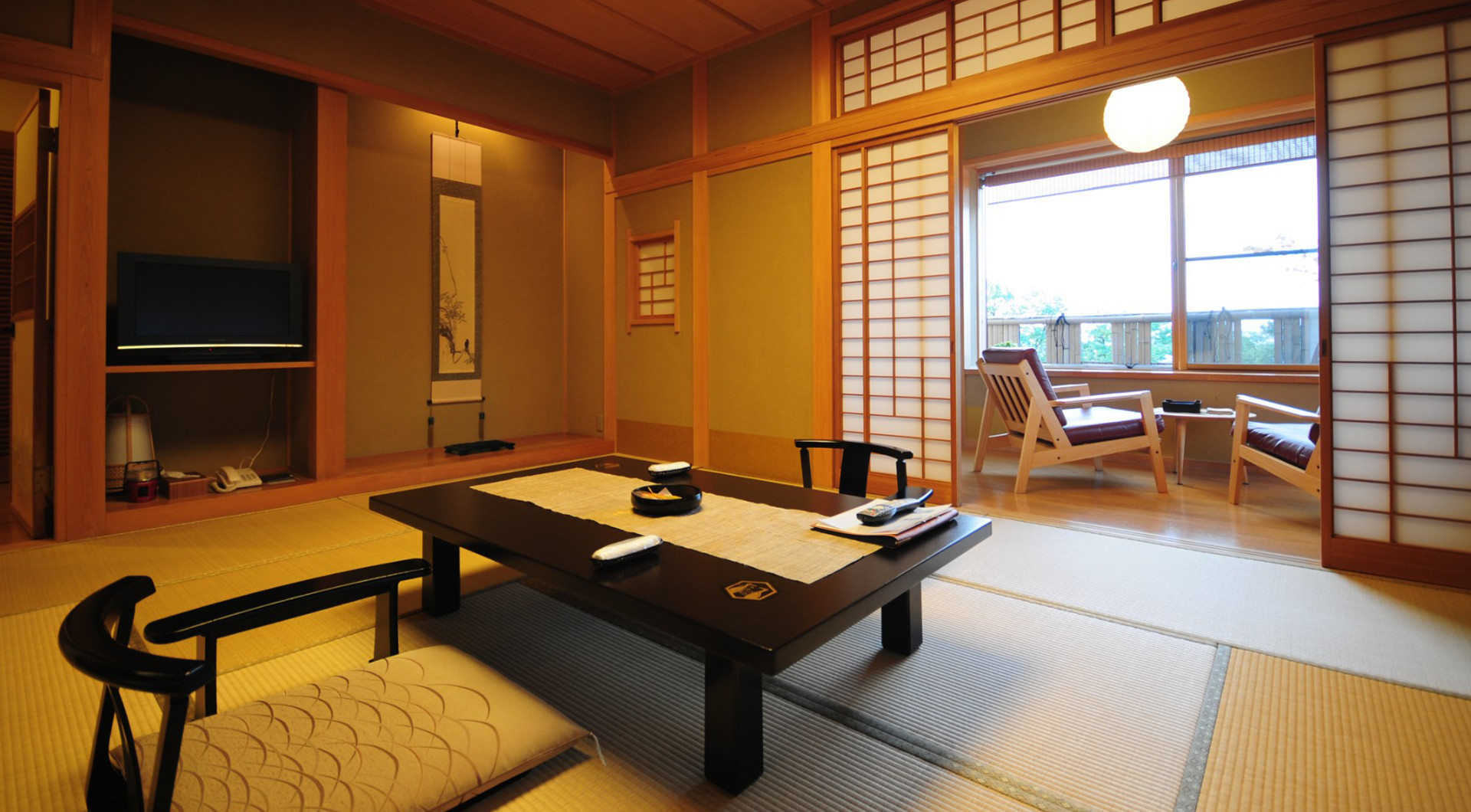
Main-building rooms vary in age and layout. The older structure dates from the Taisho and early Showa periods, and the inn notes that sound can carry through its wooden rooms. Standard rooms do not have an in-room onsen simply because they have a private bathroom; only the seven listed room-bath options are identified as Kogane-no-Yu baths.
Meals and guest policies need a room-specific check
The standard plan includes Japanese kaiseki dinner and breakfast. The annex serves meals in a private dining room; main-building guests are usually served in their room, though larger parties may use a private dining room instead. Booking pages can show room-only or meal-included options, so compare the same dates, room type and meal plan rather than treating a displayed starting price as a full-stay quote.
The inn publishes rates for children, but booking-channel information may not always match. If travelling with children, confirm the age and meal/bedding arrangement with both the property and the platform before paying. The current official room information says the main building is non-smoking; ask about the exact annex room if smoke sensitivity matters, as its policy is listed separately.
The inn’s current bathing pages do not clearly state one tattoo rule for every bath. If that affects your stay, contact the property before the cancellation deadline and ask about the shared and private baths separately.
The older main building can carry sound, and individual guests have reported ageing equipment. That is a reason to check the room type and your own tolerance for a historic wooden building, not evidence that the whole property is unclean. The inn’s official pages describe the building and facilities; they do not promise that every room has been renovated to the same standard.
A quick fit check
On Yubiyori’s seven-part stay scorecard, Chigira Jinsentei scores highly for bathing comfort (98), bath variety (97), atmosphere (95), transport convenience (98) and value (96). Cleanliness and upkeep (91) and quiet (91) are the more qualified scores, reflecting the age of the wooden property and the sound that can travel between rooms. These are editorial ratings, not figures published by the inn.
The standard room is the sensible choice if the four shared private baths are enough and you can wait for an opening. Ask for main-building room 155, 156 or 157 if an in-room source-flow bath and first-floor location matter. Choose Tsuru no I for its annex setting and private bath only if the stairs and trip back to the main building for meals work for your party. If those distinctions are the main reason for booking, verify the exact Japanese room name and plan with the inn before paying.
Getting there without making the final climb harder
The direct highway bus from Shinjuku reaches the Ikaho Stone Steps stop in about 2 hours 40 minutes; the inn lists a five-minute walk from there. From Shibukawa Station, the local bus takes about 30 minutes to Ikaho, followed by roughly a five-minute walk from Ikaho Onsen or Ishidangai-guchi. The inn can pick up guests from bus stops within Ikaho; arrange it in advance if you have heavy bags or want to avoid the uphill walk.
The ryokan is close to the stone steps, but Ikaho is built on a slope. Also count the stairs to the private-bath floors when deciding whether the location is manageable. For a wider look at bus stops and walking routes, see where to stay in Ikaho; the half-day no-car route covers sightseeing order rather than room choice.
By car, the inn lists three free car parks with space for about 140 vehicles and two EV chargers. Its access page warns that some navigation systems direct drivers onto a road that cannot be passed through, so follow the inn’s arrival directions rather than blindly taking the shortest route.
Sources
Official ryokan information, room details and image sources
- [Chigira Jinsentei: hot-spring water and source flow](https://www.jinsentei.com/onsen.html) - [Chigira Jinsentei: baths, operating hours, private baths and day-use policy](https://www.jinsentei.com/spa.html) - [Chigira Jinsentei: room types, annex layout and meal arrangements](https://www.jinsentei.com/room.html) - [Chigira Jinsentei: room specifications, capacity, meals, children and accessibility](https://www.jinsentei.com/info.html) - [Chigira Jinsentei: access, parking and bus transfers](https://www.jinsentei.com/access.html) - [Chigira Jinsentei: meal plans](https://www.jinsentei.com/meal.html) - [Shibukawa City: Ikaho’s spring types and Kogane-no-Yu](https://www.city.shibukawa.lg.jp/kankou-site/kankou/000357/000359/p000209.html) - Booking information: [Chigira Jinsentei](https://www.booking.com/hotel/jp/jinsentei.html) - Images: [Chigira Jinsentei hot-spring facilities](https://asp.hotel-story.ne.jp/media/6135000100030.jpg), [Chigira Jinsentei hot-spring facilities](https://asp.hotel-story.ne.jp/media/6135000100034.jpg), [Megumi-no-yu](https://www.jinsentei.com/style/images/spa/onsen_megumi01.jpg), [men’s and women’s outdoor baths](https://www.jinsentei.com/style/images/spa/onsen_roten_w01.jpg), and [Tsuru no I guest room](https://www.jinsentei.com/style/images/room/turu_room03.jpg).Tags: Chigira Jinsentei, Ikaho Onsen, Kogane-no-Yu, source-flow onsen, private bath, Ikaho ryokan