Kotohiki Kairo in Kanonji: How to Plan a Sauna Visit
Kotohiki Kairo: sauna lineup, prices, hours and access for Kanonji day visitors.
Checked: October 24, 2026
At Kanonji’s edge beside Ariake Beach, Kotohiki Kairo combines a public hot-spring bath with a large sauna complex. Its inventory spans 11 heat rooms and seven plunge pools, divided between two gender-assigned wings. The wings switch allocation by date; one admission never covers both. Check which rooms your assigned side includes before making a special trip for a particular sauna.
Check which side is open to you
Six rooms sit in one wing and five in the other. The operator alternates the men’s and women’s assignments on odd- and even-date visits. Its chart names the rooms by wing, so match the calendar date to your assigned area before setting your expectations; a sauna on the opposite side will not be available during your visit.
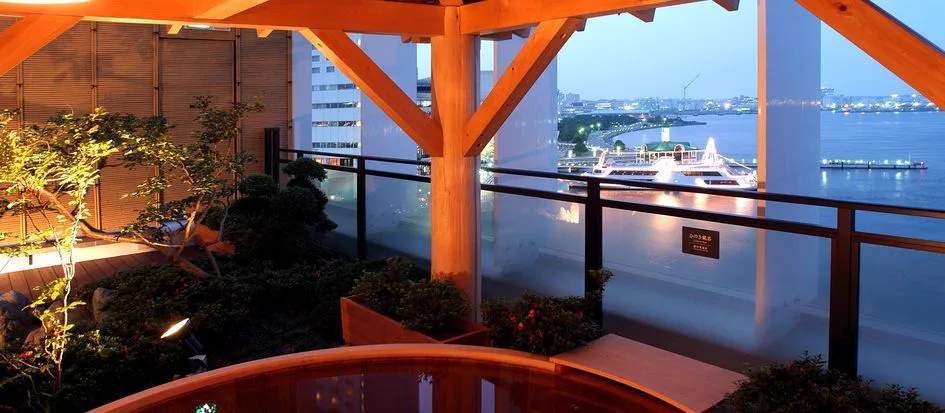
The Setouchi Lemon room is marked 85°C on the operator’s chart; bathers can pour water onto its stones. Its gender allocation changes with the date. Ariake Sauna looks west across the shoreline, is listed at 95°C and follows the reverse assignment. Other formats include a reclining kama-style room, a boat-inspired cabin, a converted van and tent saunas. The view and room temperature you get depend on which wing is open to you.
The plunge selection uses both seawater and spring water. In warmer months—roughly June through October—the seawater pool can lose the sharp chill people expect from a cold plunge. Temperatures in the other pools also move with the season, so check the displays on arrival instead of treating a past monthly reading as a forecast.
The day-use basics
| Detail | Current listing |
|---|---|
| Bath and sauna hours | 11 a.m.–11 p.m. |
| Last reception | 10 p.m. |
| Adult admission | ¥950 weekdays; ¥1,100 weekends, holidays and special days |
| Towels | Rental and purchase available; extra charge |
| Dinner service | 5–10 p.m.; last order 9:30 p.m. |
The assigned bath and sauna area are part of admission. Towels are not included, though the facility sells or rents them; body wash and shampoo are provided. The restaurant has separate lunch and dinner periods. If you are arriving late, its last order is 9:30 p.m., half an hour before the published closing time.
The spring’s classification is calcium-sodium chloride. Its water is filtered, recirculated and warmed through a heat exchanger; the operator notes that dilution may be used on busy days and chlorine disinfection is part of the process. That matters if you are choosing by water treatment rather than by the sauna menu. The onsen-label explainer covers how to read those distinctions.
Kotohiki Kairo does not admit visitors with tattoos under its standard bathing rules. A swimsuit-based festival in September 2026 temporarily allowed covered tattoos; that event exception did not change ordinary entry conditions.
There is no private or family bath. Under Kagawa’s bathing rules, children aged 10 or older cannot bathe with a person of another gender. Visitors who cannot use the facility independently must come with an attendant. Contact the facility in advance if you need to confirm a particular access arrangement.
Getting to the coast
For rail travelers, ride the limited express from Takamatsu to Kanonji, then take a taxi to the coast. The station-to-bath leg is too far to treat as a quick walk. Drivers can reach the complex from either nearby expressway interchange in around a quarter-hour. Arrange the return taxi before bathing if you are visiting in the evening.
The adjacent Kotohiki Park and Ariake Beach make the bath a natural final stop on a west-Kagawa outing, but the bathing schedule should anchor the plan. For another perspective on facilities around Kanonji, Marugame and Sakaide, use the western Kagawa day-onsen comparison. Travelers based farther east can compare the Takamatsu sento and onsen guide or the three-way natural-spring comparison.
Is the lineup worth the trip?
It is a strong match if you enjoy choosing among sauna styles and are willing to plan around the date rotation. It is a poor fit if your expectation is one admission that unlocks all 11 rooms, a private family bath, or a quick soak without arranging the station transfer. A morning bathing period from 7 to 9 a.m. is listed for overnight guests at the adjacent lodging only; it is not ordinary day-use access.
For readers looking across Shikoku rather than making a sauna-specific trip, the Takamatsu natural-onsen comparison helps separate city baths from destination facilities. The Ehime Toyo day-use overview and its early-morning schedule guide are useful if an opening-time window matters more than sauna variety. If Kanonji is one stop on a wider Kochi route, compare Umaji’s rural bath with Kochi City’s sento and onsen options before choosing where to spend the day.
