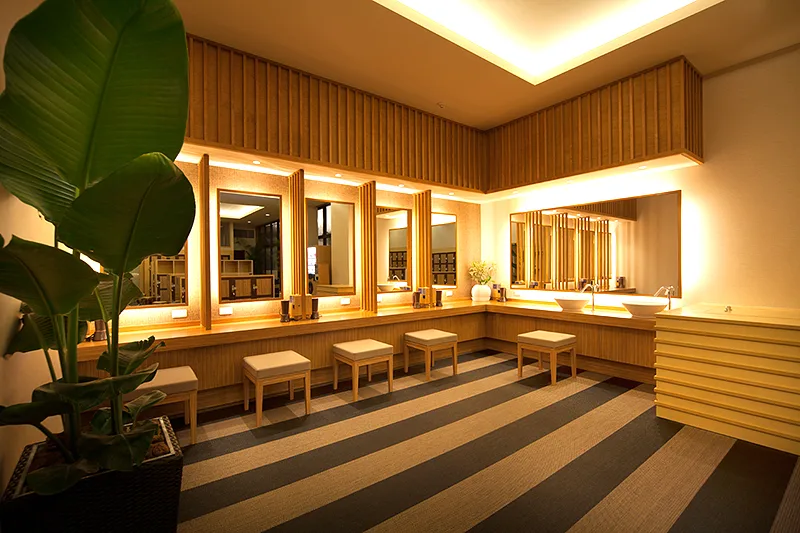
Kumamoto City Onsen and Sento: Where to Bathe
Choose a Kumamoto City onsen or sento by spring type, hours, sauna and location.
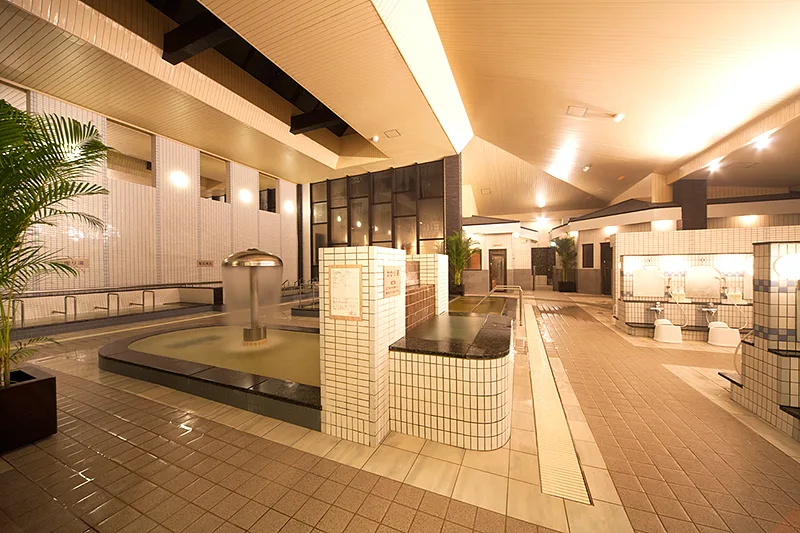
Kumamoto City has no single onsen district to wander between. A late-night natural spring sits by Lake Ezu, a larger spa complex is north of town, and the neighbourhood sento keep shorter, more local hours. Start with the kind of bath and the route back to your hotel; the map matters as much as the water.
The early-bath list has a gap this month: the former Tsurunoyu Kumamoto Inter site is closed between operators. Its scheduled replacement, Kame-no-Yu by HATAGO INN, is detailed below.
| Your priority | A place to start | Useful distinction |
|---|---|---|
| Natural spring and a late soak | Batten no Yu | Open until 2 a.m.; the bus does not match the closing time |
| Sauna plus space to linger | Agannasse | Longer tickets add lounge access; renovation reduces available rest space through Dec. 6 |
| A quick neighborhood bath | Daifuku-yu or another sento | Standard entry is ¥550 (about HK$27 / NT$114); sauna and rentals vary |
| Early bathing | Peaceful Yu-Yu | Opens at 6 a.m.; it is not listed as a natural onsen |
| A new bath near Kumamoto Inter | Kame-no-Yu | Scheduled to open Nov. 1; check status after launch |
Natural spring, sauna or a short neighborhood soak?
Batten no Yu near Lake Ezu and Agannasse in northern Kumamoto both have natural spring water, but they suit different days. Batten stays open later and has shared bathing plus separate family rooms. Its family-bath guide breaks down the room options; the natural-onsen comparison weighs both operators.
| Batten no Yu shared-bath entry | Price |
|---|---|
| Adult | ¥750 (about HK$37 / NT$155) |
| Adult bringing shampoo and conditioner | ¥550 (about HK$27 / NT$114) |
Agannasse is closer to a full spa day. A two-hour ticket includes the bath and sauna; a longer course adds indoor wear, towels and lounge access. From September 28 through December 6, two rest areas are closed and the three-hour bath-only ticket is suspended, while discounted longer-course rates are in effect. Check the Agannasse ticket guide for the current course split before choosing.
The regulated sento rate covers basic entry, not every sauna or rental. Daifuku-yu adds a sauna charge; other neighborhood baths have short evening schedules or weekday closures. The five-bath comparison helps narrow down a specific stop, and the Daifuku-yu sauna page covers its three heat rooms and cold plunge.
Early starts and late returns need separate planning
Peaceful Yu-Yu starts bathing at 6 a.m. and closes at midnight. Batten no Yu runs from 10 a.m. until 2 a.m. Yulax keeps its baths open overnight but closes the bathing area for cleaning from 8 to 10 a.m. Kame-no-Yu, scheduled to open November 1, lists indoor baths from 6 a.m. to midnight and outdoor baths from 11 a.m. to 10:30 p.m.
Those hours can rescue a late arrival or an early departure, but they do not guarantee a ride. Batten no Yu’s nearby bus service ends well before closing, and the other outlying facilities also need a date-specific return check. The morning and late-night bath guide compares the time windows and transport trade-offs; sauna travellers may prefer the YuLax guide.
What counts as an onsen in the city?
Not every bathhouse uses a natural hot spring. Jinsui uses groundwater, Seian-yu softens groundwater, and Tatsunoyu and Takanoyu list tap water. Daifuku-yu’s cold plunge is described as a cold spring, but that is not the same as a published hot-spring analysis. The traditional sento guide separates these neighborhood options; the natural-water comparison stays focused on Batten no Yu and Agannasse.
Ueki sits within Kumamoto City’s administrative boundary but is a separate hot-spring district to the north, not a quick stop from the castle area. For its bathhouses, use the Ueki day-use guide and check the Ueki ¥500 comparison. If your route continues into the mountains, the Aso day-bath guide helps pair a soak with an Aso visit, while the Kyushu self-drive route places Kumamoto between other onsen regions.
Kame-no-Yu replaces an old listing, not an open bath today
The old Tsurunoyu Kumamoto Inter branch stopped operating on August 31. Kame-no-Yu is due to open at the site on November 1, 2026. Advance schedules and prices are:
| Kame-no-Yu area | Listed hours or price |
|---|---|
| Indoor baths | 6 a.m.–midnight |
| Outdoor baths | 11 a.m.–10:30 p.m. |
| Sauna | 6 a.m.–10 p.m. |
| Adult day admission | ¥550 (about HK$27 / NT$114) |
Bring towels and toiletries or buy them there. Tattoos and diapers are not allowed in the shared bath; private rooms have separate rules. Confirm that the reopening has gone ahead before making a special trip.
