Saitobaru and Tsumayu: A Half-Day Among Kofun and Hot Springs
Plan a half day at Saitobaru: museum, kofun walk, Tsumayu bath and access notes.
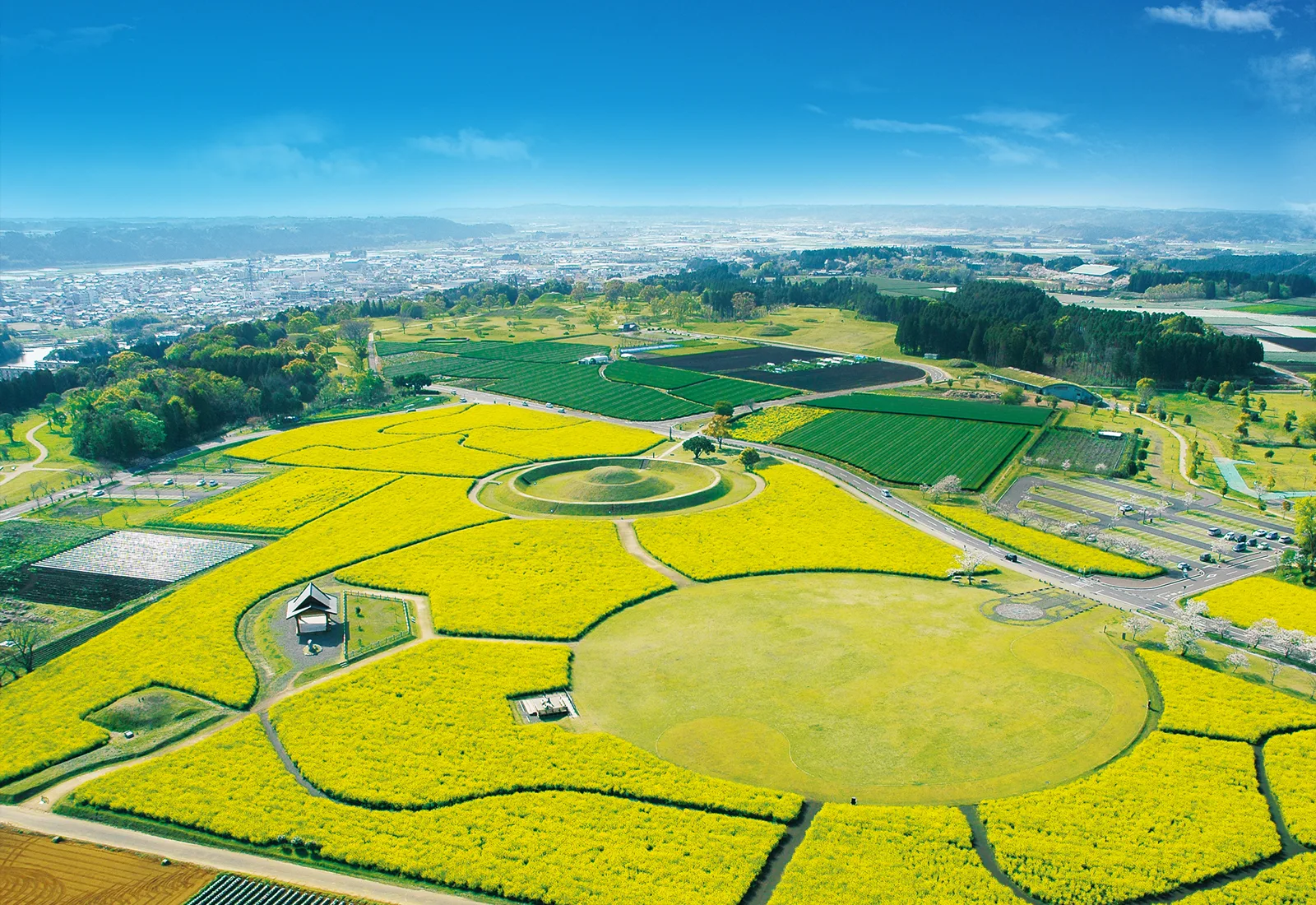
Saitobaru is a broad archaeological landscape, not a compact museum precinct. A half-day works when you choose between a proper museum visit and the full walking course, then finish at Tsumayu Onsen. Trying to cover every burial mound, browse the exhibits and soak at leisure in one short visit makes the day feel like a checklist.
The Saito Tourism Association’s two-hour route starts and ends at Konohana-kan. It passes representative sites, including the Sakamoto-no-ue remains, Himezuka and Oni no Iwaya. Treat that as a full walk, not a casual loop to squeeze between opening times.
Choose your history stop first
The prefectural Saitobaru Archaeological Museum is free to enter. Its current 2026 visitor information lists opening hours of 9:30 a.m. to 5:30 p.m., with the exhibition galleries admitting visitors until 5 p.m. The museum closes on set weekdays and has additional calendar dates, so check its current notices rather than relying on a generic weekly schedule.
If the museum is your priority, allow time for the exhibits and take a shorter walk outdoors. Oni no Iwaya is the site’s standout stop: it is the only mound in the cluster with a horizontal stone chamber, and the earthen bank around it gives the mound an unusual profile. The official walking route also passes Himezuka and an archaeological shelter preserving excavated remains.
Some sites have restricted access. Osahozuka and Mesahozuka, for example, are opened for special access during the annual Kofun Festival rather than as ordinary walk-in stops. Follow posted barriers and the museum’s current visitor guidance; don’t assume every mound can be entered.
| If you want… | Keep this part of the visit | Allow for |
|---|---|---|
| Museum context and an easy stroll | Museum, then a short outdoor section | The galleries close to entry at 5 p.m.; choose only a few nearby mounds |
| A longer walk through representative sites | The association’s marked route from Konohana-kan | About two hours on foot, before adding museum time |
| A relaxed bath after exploring | Tsumayu as the final stop | Drive or arrange transport; the bath is not at the museum entrance |
Konohana-kan is useful as a meeting and rest point. It opens 9 a.m.–6 p.m.; the restaurant’s service ends earlier, so check its facility information if you plan to eat there. It also has parking for visitors arriving by car.
Leave Tsumayu for the end
Tsumayu is south of the burial-mound area and is easiest to add by car. Check its operating notice before making the bath the fixed end of your afternoon.
| Tsumayu day-use detail | Current listing |
|---|---|
| Adult admission | ¥900 (about HK$45 / NT$186) |
| Child admission | ¥500 (about HK$25 / NT$103) |
| Bathing hours | 10 a.m.–10 p.m. |
| Regular closure | Tuesday; open when it falls on a public holiday |
Confirm the operator’s calendar before making the bath the fixed end of your afternoon.
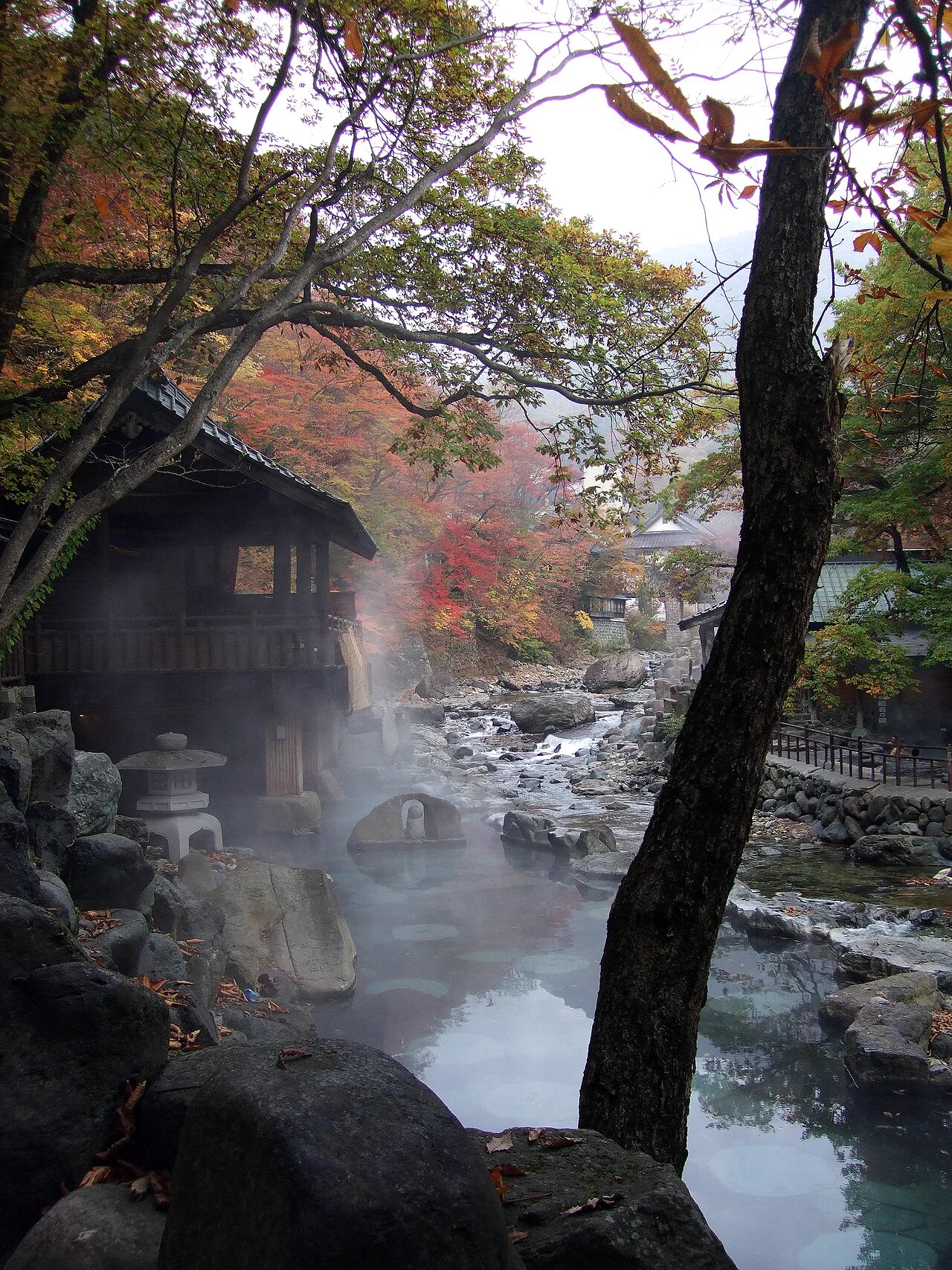
The spring flows directly into the baths, according to the operator. Its published source temperature is 46.1°C and the reported flow is 300 litres per minute; those are well figures, not the set temperature of every pool. The large indoor and outdoor bathing areas and dry sauna make this a better final stop than a quick rinse before another walk.
| Example timing | Plan |
|---|---|
| Museum-focused visit | Museum first, a short outdoor walk, then Tsumayu with enough time to bathe before closing |
| Walking-focused visit | Start at Konohana-kan, follow the two-hour route, then head to Tsumayu; skip the full museum visit |
Those are planning shapes, not a timed tour. Add travel time between the museum area and the bath, and do not leave the return drive until after a long soak. For more detail on the three baths around Saito and Koyu, see the day-onsen comparison. If Tsumayu is closed or the drive does not fit, the Miyazaki City bath guide lists alternatives nearer the city.
Getting to the plateau
By car, the museum’s current visitor guide estimates about 40 minutes from central Miyazaki via Route 219 or around 10 minutes from Saito Interchange. From Miyazaki Station, the bus journey takes roughly 70 minutes to Saito Bus Center, followed by about a 10-minute taxi ride to the museum. Confirm bus times and the taxi return before leaving; this is not a frequent rail-side attraction.
The Kyushu public-transport itinerary can help place Saito between other destinations, while a driver can add the stop to a Kyushu self-drive route. Travelling with children? The family onsen guide compares bathing facilities across the region. Visitors watching costs can consult the Kyushu budget bath guide; those planning an accessible pace may find the senior-friendly onsen guide useful.
Wet weather makes the open plateau less comfortable, so shorten the outdoor section and spend longer inside the museum. The rain and typhoon backup guide has more indoor alternatives. If this is the last stop before leaving the area, compare options in the checkout-day bath guide and keep enough time for the bus or drive back.
Sources
- Saitobaru Archaeological Museum: opening hours, admission and calendar
- Saitobaru Archaeological Museum: current notices and closure dates
- Miyazaki Prefecture: 2026 museum visitor guide
- Saito Tourism Association: two-hour Saitobaru walking course
- Konohana-kan: opening times, restaurant and parking
- Tsumayu: admission, hours and spring description
- Currency references: JPY to HKD and historical JPY to TWD, checked October 24, 2026
Last verified: October 24, 2026