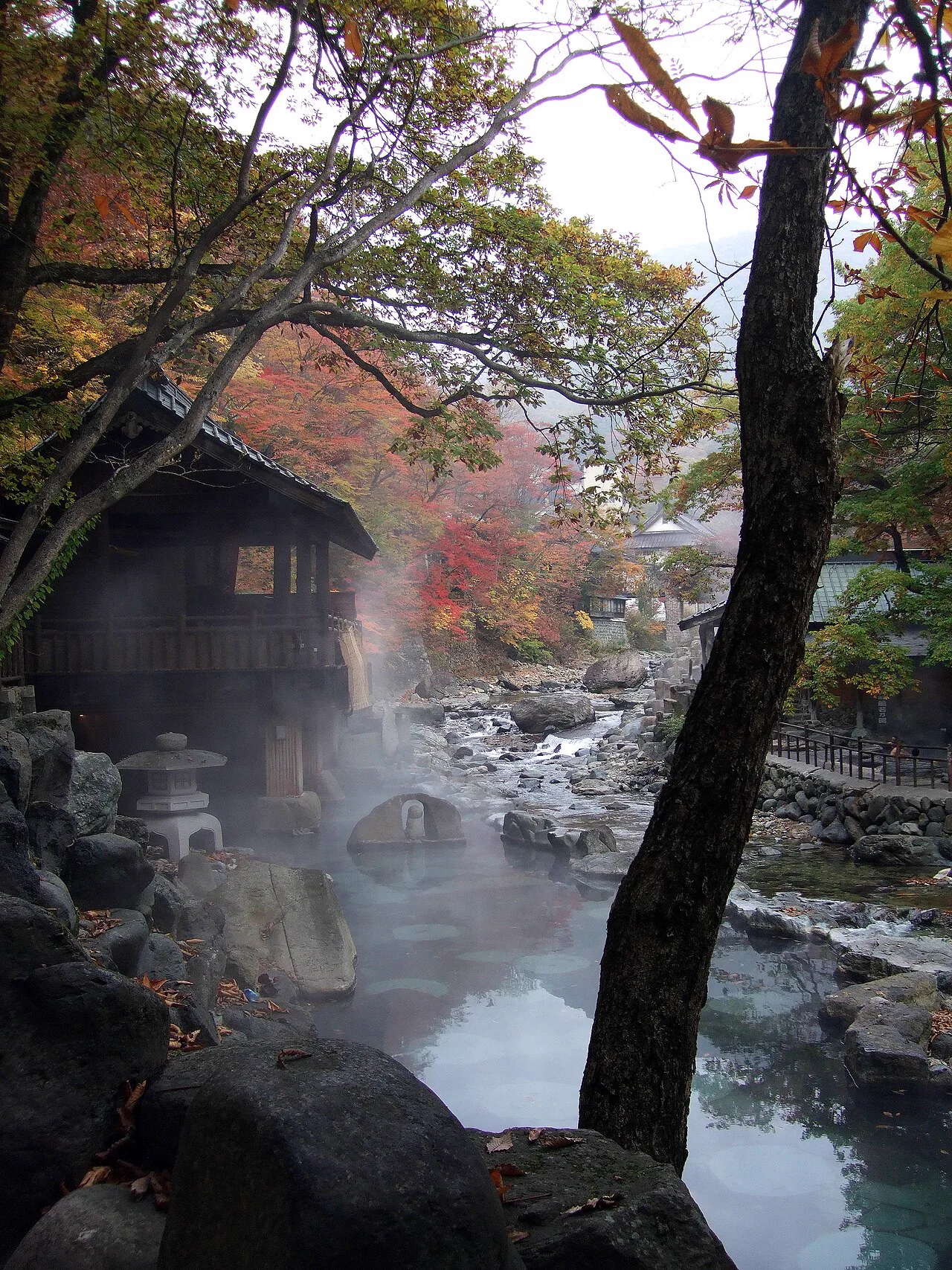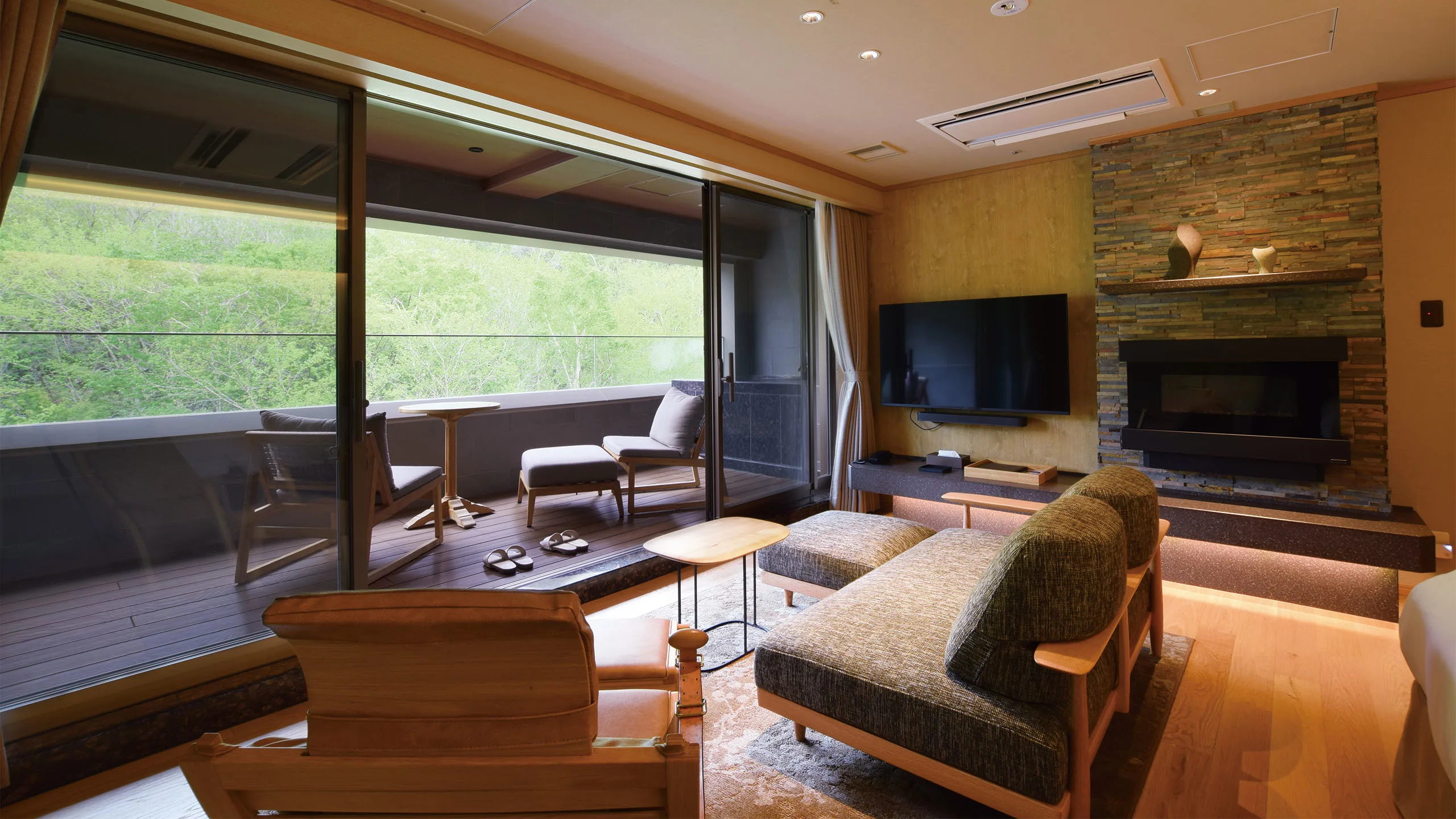
Where to Stay at Dai-ichi Takimotokan: Room Buildings, Baths and Pool Access
Choose a Dai-ichi Takimotokan room by access: the west building is closest to baths, the south to the entrance and resort street.
At Dai-ichi Takimotokan, the building you book can shape the stay more than the room label. The hotel has four accommodation buildings, but they are not equally close to the large bath. If you expect several bathing sessions, the west building’s roughly 40-metre route is useful. If you value a shorter walk from the entrance or out to Gokuraku-dori, the south building is more convenient.
An overnight stay mainly buys time and an easier loop between your room, meals, baths and pool. The hotel’s current standard day-use ticket is ¥2,500 for an adult, so if you only want one long bathing session, compare that with the room rate before booking a night. Overnight guests can also use the baths and pool before check-in and after checkout, subject to the facility schedule; ask reception to hold larger bags while you do.
Pick a building around the walk you will repeat
The west building is the most direct choice for guests who plan to use the baths often. The hotel lists it at about 40 metres from the bath building. Its standard Japanese-style rooms sleep four or five, depending on the room size; selected west-building rooms also have a natural hot-spring open-air bath.
The main and east buildings are both around 150 metres from the bath. The main building is central to the property, with direct elevator access to dining venues, the shop and basement restaurants. It also has the hotel’s only rooms that can be booked with in-room dining. The east building faces the garden and connects to the main building.
The south building sits closest to reception and the main entrance, about 210 metres from the baths. It is also opposite Gokuraku-dori, the resort’s main shopping street. Families can look at its triple rooms and larger room types; selected south-building rooms are designated for guests with dogs. Confirm the exact room and meal plan rather than assuming every layout has the same pet or bedding policy.
| Stay priority | Building to check first | Confirm before booking |
|---|---|---|
| Frequent bath visits | West | The exact walking route and room type |
| Dining-area access | Main | Whether in-room dining is included in the chosen plan |
| Garden-facing room | East | The view and bed setup for your dates |
| Entrance and resort-street access | South | The distance to the bath building and any pet-room terms |
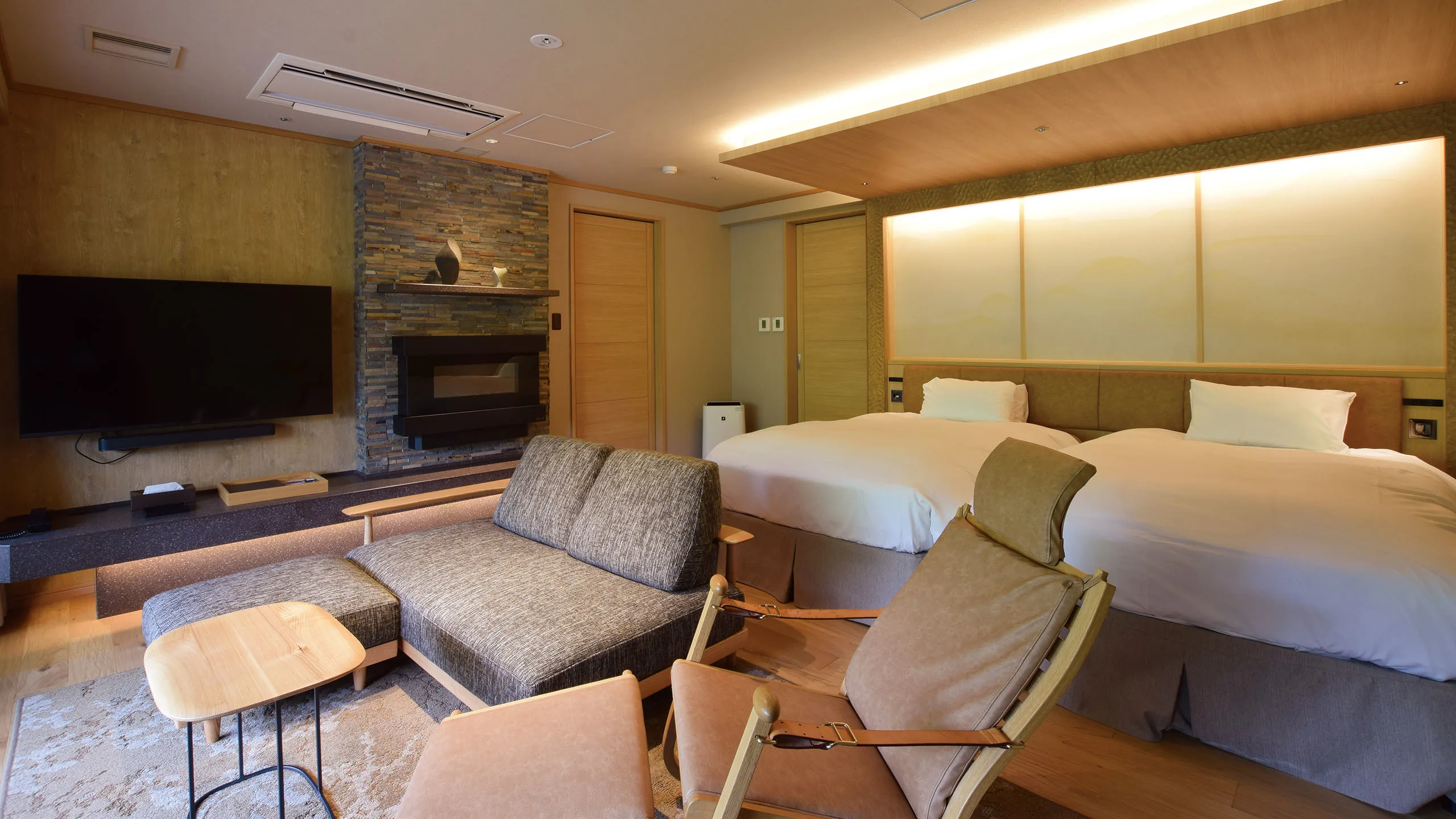
All overnight guests receive access to the same main bathing complex; a more expensive ordinary room does not add spring types. The building choice is therefore especially relevant if you expect to make several trips to the bath. The hotel lists standard Japanese-style rooms from about 26 m² in the west building, a deluxe twin of about 40 m² in the main building, and a superior twin of about 32 m² in the east building. Exact layouts and availability vary by date.
An in-room bath is available, but only in two room types
The hotel’s standard rooms do not have natural hot-spring water. Its FAQ identifies two exceptions: the Premium West Corner Special Room with an open-air bath and the Premium West Special Room with an open-air bath. Both are 61 m², sleep up to three, and face Jigokudani. The hotel describes the baths as source-fed and free-flowing.
That is a meaningful upgrade for guests who want a private soak without coordinating around the shared bath. It is not necessary just to access Takimotokan’s large bathing area: all overnight guests can use the main bath and heated pool. If an in-room natural onsen is not a priority, start with the room’s building, beds and view instead.
The two named exceptions are the Premium West Special Room with an open-air bath and the Premium West Corner Special Room with an open-air bath. Both are listed at 61 m², for up to three guests, facing Jigokudani. The hotel describes these baths as natural hot spring water supplied free-flowing. A standard guest-room tub, an accessible bathroom or a room simply described as premium is not evidence of a private natural bath.
The bath and pool remain part of the stay after checkout
Overnight guests may use the large bath and pool free of charge before check-in and after checkout. The room itself is still available only until checkout, and the hotel says large bags can be held at reception. This can turn arrival day or departure day into a fuller visit, especially when you have a late train or bus.
The current published hours are 4 a.m.–1 a.m. for indoor baths, 4 a.m.–midnight for the outdoor baths and sauna, and 8 a.m.–10 p.m. for the pool. The bathhouse has 35 pools across both sides, supplied with five spring types. Pool use requires swimwear; the baths do not. Check for temporary closures and maintenance notices close to your stay.
For the five spring types, day-use admission and the limits on daytime cleaning, see the Noboribetsu spring and bath comparison. If you are deciding which part of the resort suits luggage and walking plans, use the Noboribetsu stay-area guide; the access guide explains the trip from Sapporo or New Chitose.
The hotel lists the large bath’s indoor area from 4 a.m. to 1 a.m., its outdoor baths and sauna from 4 a.m. to midnight, and the pool from 8 a.m. to 10 p.m. Pool use requires swimwear; the bathing areas do not. Selected baths may close temporarily for daytime cleaning, so the headline count of 35 across both sides is not a guarantee that all pools will be open at once.
Families may get more from an overnight stay because the bath wing also has a 25-metre heated pool, a shallow children’s pool and a waterslide. Basic pool access is included for overnight guests. The published rental fees are ¥1,000 for an adult swimsuit and ¥550 each for a child’s swimsuit or a float; check the current price or bring your own. The pool is a separate activity from the onsen, and ordinary swimwear is not worn in the hot-spring baths.
Meals, arrival and practical checks
Meal plans range from room-only and breakfast to dinner options such as a buffet or Japanese course, depending on the room and plan. Breakfast is generally listed from 7 to 9 a.m. In-room dining and the Yunosato restaurant have dinner start times around 6 to 7:30 p.m.; the published guidance says dinner cannot start after 7:30. If your connection may get you to the resort late, confirm the last dinner seating before choosing a two-meal plan.
From JR Noboribetsu Station, Dōnan Bus takes about 15–16 minutes to the stop named Dai-ichi Takimotokan-mae, followed by about a one-minute walk. The resort bus terminal is about seven minutes on foot. A taxi from the station is another option if you miss the bus or have bulky luggage; confirm the fare locally. The hotel does not currently run its own direct shuttle from Sapporo, so do not confuse a public bus stop near the entrance with hotel pickup.
The hotel’s current public bathing and room pages do not provide a clear, general tattoo rule that can be relied on for every bath. If this affects your booking, ask the hotel directly before the cancellation deadline. A private bath in one of the two Premium West rooms reduces the need for shared bathing but does not establish a general tattoo policy.
The guide’s seven editorial ratings are bathing comfort 90, bath variety 100, upkeep 85, scenery 90, quiet 60, access 85 and value 80. They reflect the guide’s comparison, not scores published by the hotel. This is a large, busy property: its scale is a strength for facilities, but it will not feel like a small, quiet inn.
Older rooms and corridors can feel different from newer room categories in a property of this size. The upkeep rating reflects the overall impression, not a promise that every wing has the same fixtures or finish. If newer interiors matter, check recent room photos for the exact building and category you are considering.
Which stay makes sense?
Choose an ordinary West Building room if you plan several bath visits and want the shortest walk. Look at the Main Building for dining-area access, the East for its garden-facing position, or the South if the entrance and resort street matter more. Choose one of the two 61 m² Premium West rooms only when private natural bathing inside the room is a real requirement. For a single bath session, compare a day-use ticket or the lower room rate at nearby adex Inn before paying for an overnight stay.
The hotel has announced a full-property maintenance closure from April 5 through April 15, 2027. If your travel dates fall near that period, check the hotel’s latest notice rather than relying on cached room inventory.
Sources
- [Dai-ichi Takimotokan: rooms and building distances](https://takimotokan.co.jp/ja/room/) - [Dai-ichi Takimotokan: Premium West Corner room with onsen bath](https://takimotokan.co.jp/ja/roomtype/premium/onsencorner/west/) - [Dai-ichi Takimotokan: guest questions about baths and pool access](https://takimotokan.co.jp/ja/faq/) - [Dai-ichi Takimotokan: bathing area, spring types and opening hours](https://takimotokan.co.jp/en/spa/)Checked: September 28, 2026
Room inventory, meal arrangements and facility hours can change. Check the exact room plan and the hotel’s notices for your dates; the distances above are the hotel’s published building-to-bath figures, not door-to-door travel times from every room.