Ryotei Hanayura in Noboribetsu: What the In-Room Open-Air Bath Includes
Most of Hanayura’s 37 rooms list a private outdoor natural-spring bath; compare room size, layout and tub type in the plan you book.
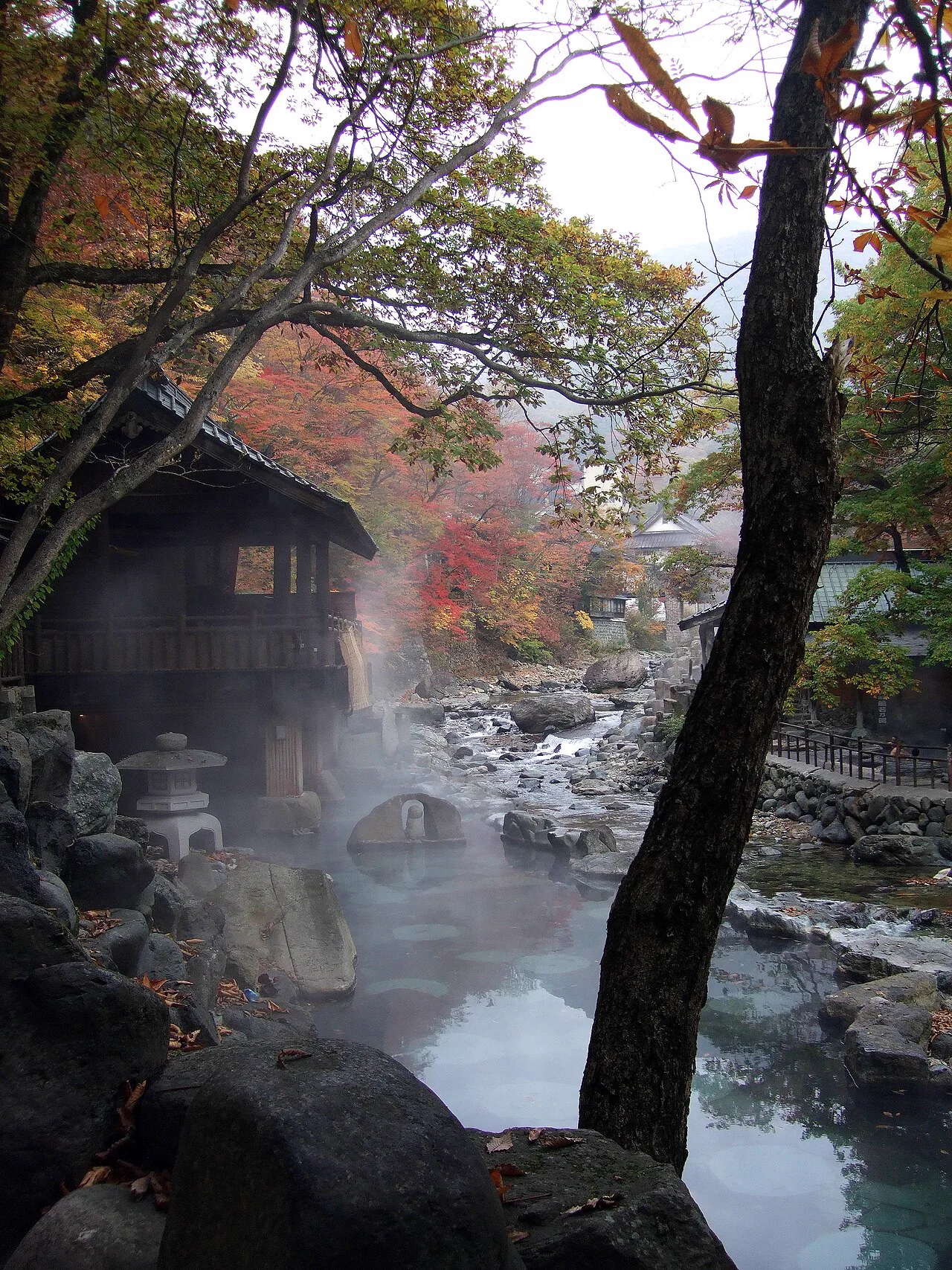
Hanayura is worth shortlisting when privacy in the room matters as much as using Noboribetsu’s public baths. The key detail is that “open-air bath room” here refers to a hot-spring bath, not simply a private tub filled with ordinary water. The tourism association says the guest-room baths are hinoki and source-fed; the hotel’s access and check-in information can help you work out whether its location fits your arrival.
Compare room layouts before paying for the bath
Hanayura has 37 rooms. The room listing includes 10 standard Japanese-style rooms, 23 Japanese-style rooms with an open-air bath, two Japanese-Western rooms with an open-air bath, one two-room Japanese-style open-air-bath room and one Japanese-Western room with a view bath. The Japanese-style open-air-bath room is listed at 12 tatami mats; larger special rooms have different layouts and capacities.
The inn’s tourism-association profile says the open-air baths use hinoki and natural hot-spring water. A booking-channel description gives one regular open-air-bath room as 54 m² for up to five guests, while special Japanese-Western rooms are larger. Those specifications can vary by room name, so match the exact plan rather than relying on a general “private bath” label.
Guests who expect to bathe several times in the room may get more value from that feature than visitors who plan to spend most of the day in the resort. If you mainly want a room to sleep in and the shared baths are enough, compare the standard Japanese-style option before upgrading.
A shared bath is still available
The hotel also has communal indoor and open-air baths. Check-in is listed at 2 p.m. and checkout at 10 a.m.; the current daily bathing hours are unconfirmed. Check the hotel or your booking confirmation for the schedule and maintenance closures.
Because an in-room bath is private, it can be practical for guests who prefer not to use a shared bathing area. It does not, by itself, confirm the property’s tattoo rules, accessibility details or the exact temperature of the guest-room water. Ask the hotel directly if any of those points will determine whether the stay works for you.
Getting to Hanayura without a car
From JR Noboribetsu Station, the local bus to Noboribetsu Onsen takes about 15 minutes. The hotel group’s access page lists a stop called Noboribetsu Onsen Chuo, a short walk from Hanayura; services to the main terminal leave a longer walk of about 10 minutes. The bus stop depends on which service you board, so check the route and direction rather than aiming for the terminal by default.
The hotel group also lists a Sapporo shuttle to the resort area for ¥1,000 one way or ¥2,000 return, taking about 100 minutes. It is reservation-based and may not operate on every date. Confirm its departure point and availability with the hotel group before arranging connecting transport.
For the wider resort layout, see where to stay in Noboribetsu Onsen. Travellers comparing a large bath complex with room-focused privacy can also read the Hotel Mahoroba room guide and Tamanoyu private-bath guide.
Sources
- [Ryotei Hanayura: room and amenity profile from the Noboribetsu tourism association](https://noboribetsu-spa.jp/hotels/hotel002/) - [Ryotei Hanayura: access and bus information](https://hanayura.com/access/) - [Hanayura room types and listed capacities](https://www.jalan.net/yad311313/room/) - [Hotel group: Sapporo shuttle details](https://hanayura.com/access/)Checked: September 28, 2026
Room counts, prices, shuttle operation and room features are subject to change. Check the named room and travel date with the property or booking provider; a view bath and a source-fed onsen bath are not necessarily the same room feature.