Six Osaka Sento for Namba, Tsuruhashi and Shinsekai Routes
Six Osaka sento near Namba: compare hours, sauna access and rail routes by area.
These six neighborhood sento sit across Chuo, Tennoji and Naniwa wards. Their opening windows range from a dawn start to a 5 a.m. close, and the shortest rail walks are not always the latest options. The table groups them by the part of south-central Osaka where each fits best.
| Bathhouse | Area fit | Listed opening hours | Regular closure |
|---|---|---|---|
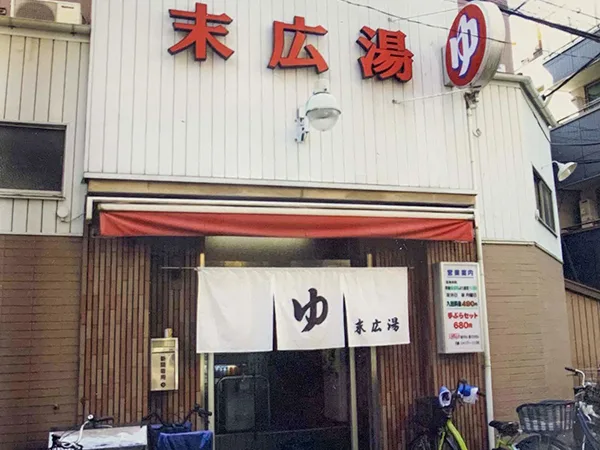
| Suehiro-yu | Nihonbashi and Kuromon Market | 6 a.m.–1:30 a.m. | Monday |
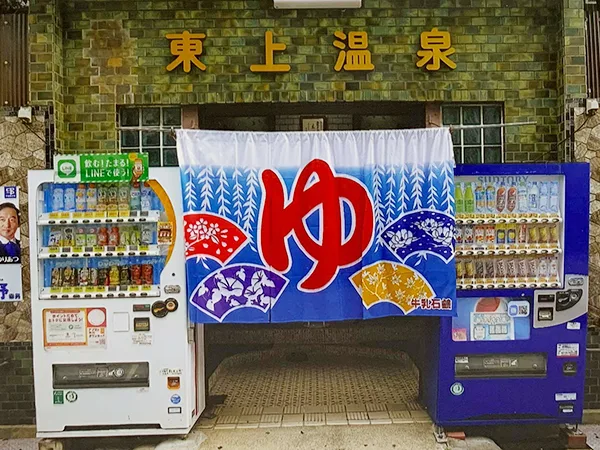
| Tojo Onsen | Tsuruhashi | 3–10:30 p.m. | Friday |
| Healthy Onsen Tateba | Late bath near Sakuragawa | 2 p.m.–5 a.m. next day | None listed |
| Radium Onsen | Ebisucho and Shinsekai | 6 a.m.–midnight | Second and fourth Thursday |
| Kinpira Onsen | Taisho and west Sakuragawa | 1:30 p.m.–midnight | Tuesday |
| Healthy Onsen Sakuragawa | Sakuragawa and Shiomibashi | 6 a.m.–midnight | None listed |
Adult admission is the Osaka standard fare of ¥600. The basic ticket does not always cover sauna use: Suehiro-yu lists its steam sauna as free, while the other association entries do not publish a current sauna supplement. Check individual terms before you go.
Near Nihonbashi and Kuromon Market
Suehiro-yu is a one-minute walk from Nihonbashi Station Exit 8. Its early opening works before the market day, and its late close leaves room after dinner. The association lists a high-temperature steam sauna, cold bath, electric bath and jet bath; sauna access is included in the standard admission. Monday is the weekly closure.
Tsuruhashi and Ebisucho
Tojo Onsen is about five minutes from Tsuruhashi Station. Its dry sauna, cold bath, jet and reclining baths make it a compact after-dinner stop near the station; it closes Fridays and shuts at 10:30 p.m.
Radium Onsen is three minutes from Ebisucho Station, on the Shinsekai side. Its outdoor tub faces Tsutenkaku, and the listing also includes a steam sauna, carbonated bath and medicinal bath. The name “Radium” does not provide a spring analysis. It opens early and closes on the second and fourth Thursdays of each month.
Sakuragawa and Taisho
For a bath after midnight, Healthy Onsen Tateba has the broadest window, staying open until 5 a.m. It is about a ten-minute walk from Sakuragawa, Shiomibashi or Ashiharabashi stations, and the association lists dry and wet saunas, carbonated and outdoor baths, plus 40 free parking spaces. There is no regular weekly closing day in its listing.
Healthy Onsen Sakuragawa is much closer to rail: about two minutes from Sakuragawa or Shiomibashi stations. It opens at 6 a.m. and is listed as open daily until midnight. Its equipment includes dry and wet saunas, a cold bath, softened-water bath and radon bath.
Kinpira Onsen is around a ten-minute walk from Taisho Station. It has a simpler listing and suits visitors staying on the Taisho side; it opens at 1:30 p.m. and closes Tuesdays. The directory does not list a parking lot or current sauna details.
Spring and entry policies
The current association entries reviewed here do not publish spring analyses for these six facilities. Names such as “Radium Onsen,” softened water and a carbonated feature bath are not proof of natural hot spring water. Tattoo policies are not clearly listed across the six pages either, so confirm directly with the bathhouse if that affects your choice.
For more than one option in the same area, compare Radium Onsen and Healthy Onsen Sakuragawa. The Suehiro-yu guide, Tojo Onsen guide and Tateba vs Suehiro-yu late-night comparison cover their individual visit choices. If a natural spring is essential, browse the separate Osaka day-use onsen guide.
For a bath near Kuromon, see the Suehiro-yu profile. A Tsuruhashi visit pairs with the Tojo Onsen profile, while the Tateba–Suehiro-yu late-night comparison focuses on after-hours access. The Osaka sento guide provides wider context, and Joy Taisho is another south-central option.
Visitors looking beyond classic neighborhood baths can compare the modern sento guide.